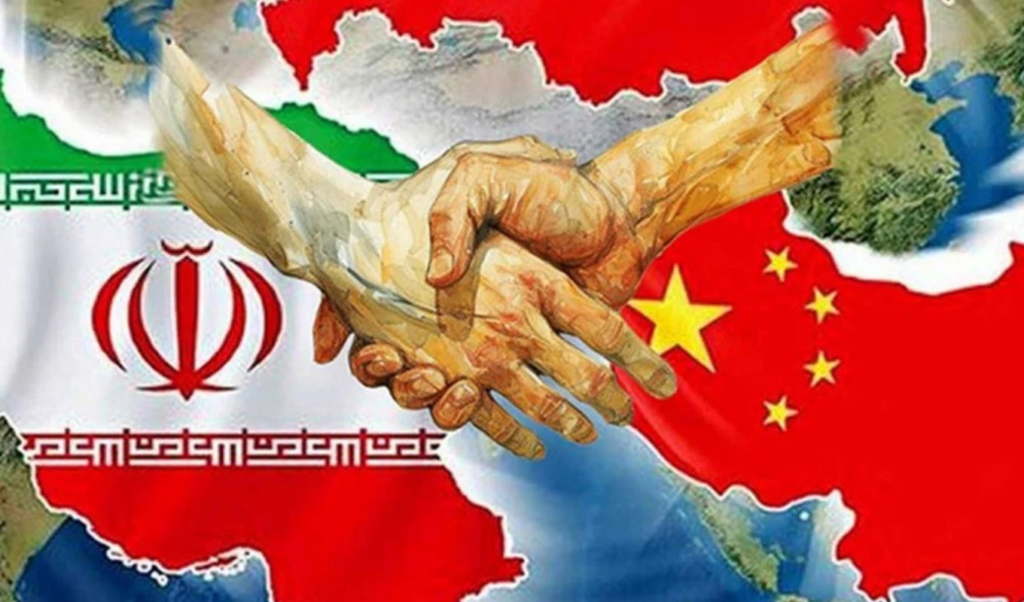
Iran is reportedly considering a new strategic condition for using the Strait of Hormuz, one of the world’s most critical maritime chokepoints. According to a senior Iranian official cited by CNN, the Islamic Republic may allow certain oil tankers to transit the waterway only if transactions are conducted in Chinese yuan rather than the U.S. dollar.
Shift from Dollar to Yuan
Currently, global oil trade is predominantly priced and settled in U.S. dollars, giving Washington significant influence over international energy markets. Iran’s new proposal represents a direct challenge to dollar-dominated trade systems, signalling its intent to explore alternative financial mechanisms while leveraging control over Hormuz.
The official explained that tankers carrying oil purchased or paid for in yuan could be granted permission to navigate the strait, offering a targeted route for buyers willing to comply with Tehran’s currency preference. This initiative aligns with broader trends observed in global energy markets, where countries under Western sanctions increasingly seek alternative currencies.
Precedent and Strategic Implications
Russia, facing Western sanctions in previous years, has already begun selling oil in rubles and yuan, bypassing traditional dollar transactions. Iran appears poised to adopt a similar approach, potentially expanding China’s influence in global energy finance while asserting control over a vital maritime corridor. Analysts suggest this move could:
Reduce the impact of U.S.-led sanctions on Iranian oil exports.
Strengthen the role of the Chinese yuan in energy trading.
Provide Iran with leverage over oil-dependent nations seeking secure passage through Hormuz.
Strait of Hormuz: Strategic Overview
| Aspect | Detail | Commentary |
|---|---|---|
| Location | Strait of Hormuz | Connects the Persian Gulf to the Gulf of Oman; critical for ~20% of global oil shipments |
| Proposed Condition | Payment in Chinese yuan | Select tankers allowed passage if transactions meet Iran’s currency preference |
| Current Practice | Transactions in U.S. dollars | Dominant global standard; Iran’s move challenges dollar hegemony |
| Precedent | Russia’s oil sales in ruble/yuan | Demonstrates viability of alternative currency settlement under sanctions |
| Strategic Goal | Energy leverage & sanctions mitigation | Iran seeks financial autonomy and regional influence |
Broader Context
This measure forms part of Tehran’s wider economic and geopolitical strategy amid ongoing tensions with the United States and its allies. By conditioning access to Hormuz on yuan-based transactions, Iran effectively combines its maritime authority with financial diplomacy, signalling that compliance with dollar-based systems is no longer a prerequisite for trade.
Experts note that while the initiative may initially apply to a limited number of tankers, its symbolic and practical significance is substantial, potentially encouraging other energy-importing nations to consider alternative payment mechanisms.
The proposal underscores Iran’s willingness to reshape aspects of the global energy market, leveraging strategic geography and currency negotiations to enhance economic resilience in the face of sanctions.
Sources: Middle East Eye, CNN