In the aftermath of the 13th National Parliamentary Election, five additional candidates have approached the High Court, alleging irregularities and vote manipulation in their respective constituencies. Among them are four candidates from the Bangladesh Nationalist Party (BNP) and one from the Liberal Democratic Party (LDP).
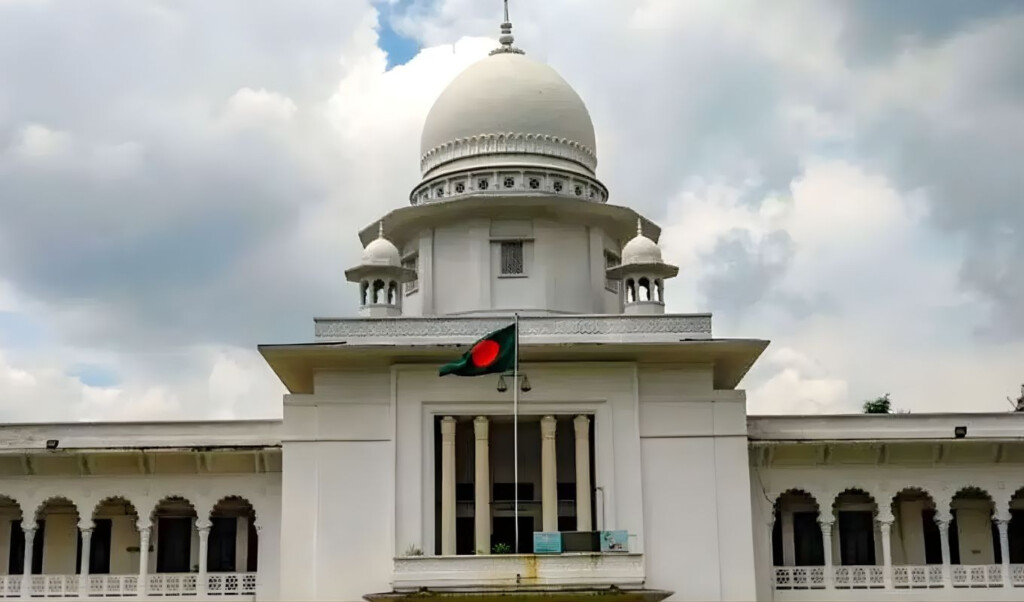
The petitions are scheduled to be heard on Monday, 9 March, by a single-member election tribunal led by Justice Md. Zakir Hossain. The applicants claim that their electoral processes were compromised, demanding judicial scrutiny and remedial action.
Petitioners and Constituencies
| Candidate Name | Party | Constituency | Allegation |
|---|---|---|---|
| Md. Kamrul Huda | BNP | Comilla-11 | Vote rigging |
| Motahar Hossain Talukdar | BNP | Mymensingh-2 | Electoral irregularities |
| Md. Harunur Rashid | BNP | Chandpur-4 | Manipulation of results |
| M. Akbar Ali | BNP | Sirajganj-4 | Voting fraud |
| Omar Faruk | LDP | Chattogram-14 | Vote rigging |
This latest round of petitions follows a series of earlier complaints, with over 20 candidates filing similar election-related cases between 26 February and 8 March. In response, the High Court has directed that all relevant electoral materials—including ballot papers, result sheets, and other voting apparatus—be carefully preserved to ensure evidence integrity.
To date, the election tribunal has accepted petitions from 10 BNP candidates, seven from Jamaat-e-Islami, and one independent candidate, ordering the safeguarding of all pertinent documents for judicial examination.
Under Section 49 of the Representation of the People Order, candidates may seek legal remedies from the High Court Division for any irregularities or fraud occurring during an election. Justice Md. Zakir Hossain, presiding over the single-member tribunal, is empowered to review and adjudicate these “election petitions” in accordance with the amended 2001 Representation of the People Order (1972).
Observers note that the tribunal’s proceedings play a critical role in maintaining electoral transparency, as the preservation and judicial scrutiny of election records can influence the validation or annulment of results. The court is expected to carefully examine each allegation before issuing directives, potentially shaping the legal landscape for future electoral disputes.