This account is presented as a reflection directed towards the current government, drawing upon historical experiences of student politics in Bangladesh and outlining public expectations from state institutions and political leadership.
During the period of the anti-autocratic student movement against the regime of Hussain Muhammad Ershad, universities were frequently closed at short notice, sometimes within one or two hours of notification. As a result, academic programmes at the undergraduate and postgraduate levels were significantly prolonged, with degrees that were intended to be completed within four years often taking approximately seven years. These sudden closures became informally known as “Ershad vacations”.
Despite the disruption to academic life, the university environment of that era, particularly at the University of Dhaka and other institutions, is described as having been a vibrant centre of cultural, literary and artistic activity. However, it is also recalled that student politics at the time was marked by intense rivalry and factional conflict. These included divisions within student organisations, as well as confrontations between opposing groups such as factions of the Bangladesh Nationalist Party’s student wing, the Bangladesh Awami League’s student wing, and other left-leaning student organisations. According to the account, these confrontations at times escalated into serious violence, including armed clashes and reported fatalities.
The narrative further alleges that certain student leaders and affiliated groups were associated with the open display of weapons on campus, the establishment of dominance through force, and the involvement of non-student actors in residential halls. It is claimed that such practices included the occupation of dormitory rooms, pressure on students to vacate accommodations, and the use of institutional facilities without payment. Allegations are also made regarding extortion from local businesses and the coercion of students’ financial resources. These claims are presented as observations from that period and are noted to have remained largely unspoken publicly.
Additional allegations within the account refer to misconduct involving harassment of female students and incidents of coercion, as well as reports of gambling and alcohol consumption in some residential settings. These statements are included as part of the narrative provided and are not independently substantiated within the text.
Following the fall of the Ershad administration, successive governments have come to power. The account asserts that individuals with similar backgrounds in student politics have continued to gain prominence in political and administrative structures, often outperforming those described as more dedicated or principled activists. It is further stated that some have attained parliamentary positions, ministerial roles, or advisory appointments, while others have secured contractual positions within government institutions.
The narrative also references the political transition following mass student-led protests against the government led by Sheikh Hasina. It notes that after the formation of an interim administration headed by Nobel laureate Professor Muhammad Yunus in August 2024, expectations of governance reform were high. However, it claims that the administration faced criticism regarding its performance up to mid-February 2026.
Concerns are raised regarding candidate selection for national parliamentary elections, with allegations that certain experienced political figures were excluded in favour of individuals described as loan defaulters, elderly or unwell leaders, and newer entrants facing allegations of past misconduct. These concerns are presented as contributing to public apprehension.
The account further describes administrative conditions within the Secretariat, portraying it as overcrowded with politically affiliated individuals engaged in various administrative and transactional activities. It suggests that such conditions have raised public questions regarding governance, transparency and administrative integrity.
Public expectations from the incoming government, as outlined in the narrative, include controlling inflation and ensuring affordability of essential goods, establishing good governance, creating employment opportunities for both educated and uneducated youth, and addressing corruption, irregularities and extortion within state structures. It also emphasises demands for the rule of law, justice, security, democratic reform, freedom of expression and accountability of the government to the people.
| Theme | Issues Highlighted in Narrative | Public Expectation Stated |
|---|---|---|
| Governance | Allegations of irregularity and politicisation of administration | Transparency and accountability |
| Economy | Rising cost pressures implied | Affordability of essential goods |
| Employment | Limited opportunities for youth | Job creation across skill levels |
| Politics | Candidate selection concerns | Merit-based political representation |
| Rule of law | Alleged lawlessness and misconduct | Justice and legal protection |
The narrative concludes with a warning that failure to address these concerns could lead to continued instability. It also suggests that lessons may be drawn from neighbouring countries in this regard.
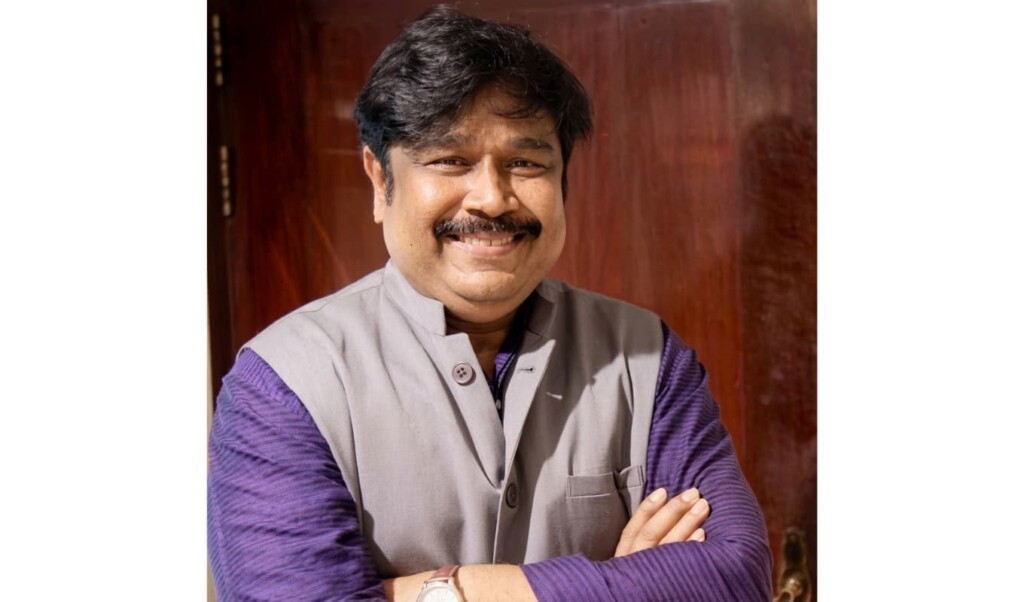
The statement is attributed to Monjur Rashid Bidyut, described as a social and political analyst and researcher.
Manjur Rashid Bidyut
Social and political analyst and researcher