The United States and Iran have exchanged sharply contrasting statements over a reported proposal involving the transfer of enriched uranium, amid ongoing tensions surrounding Tehran’s nuclear programme.
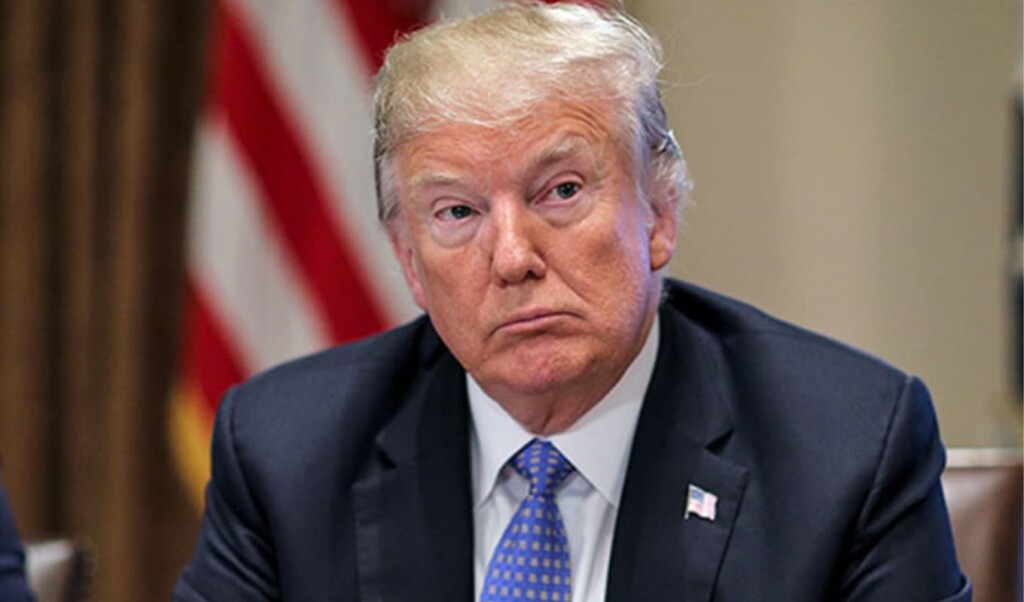
US President Donald Trump told Reuters on Friday that Washington would work with Iran on recovering enriched uranium from within the country and transporting it to the United States. According to his remarks, the process would involve coordinated operations inside Iran, including the use of heavy machinery to extract material he described as “nuclear dust”, followed by its transfer to US territory.
Trump linked the term to what he said were remnants left after strikes on Iranian nuclear facilities by the United States and Israel in June last year. He added that one of the central reasons for the conflict was to prevent Iran from acquiring nuclear weapons, while reiterating Washington’s position that Iran should be stopped from developing such capabilities. Iran has consistently maintained that its uranium enrichment activities are conducted solely for peaceful civilian purposes.
In the same interview, Trump expressed optimism that a broader agreement with Tehran could be reached soon. He said the United States would maintain naval restrictions until a final settlement is achieved and suggested that further negotiations may take place over the weekend. He also referred to ongoing cooperation with Iran regarding mine clearance in the Strait of Hormuz. Trump denied reports suggesting a potential agreement involving $20 billion in cash, calling such claims “completely false” and insisting that no financial transaction was involved.
Iran has firmly rejected the idea of any agreement involving the transfer of its enriched uranium abroad. Ismail Baghaei, spokesperson for Iran’s Ministry of Foreign Affairs, stated on state television on Friday that Iran’s enriched uranium “will not be transferred anywhere” and that sending it to the United States “is not an option”.
He further stressed that Iran’s enriched uranium is regarded as strategically important, drawing a parallel with the country’s sovereignty over its territory. Baghaei also commented on the Strait of Hormuz, stating that decisions regarding its status are made solely by Iranian authorities and not in any external framework. He added that, following a ceasefire declaration, civilian vessels may pass through the strait subject to authorisation from relevant authorities, while warning that any attempt to impose a naval blockade would be met with an appropriate response and treated as a violation of the ceasefire.
Iran–US differences over uranium enrichment remain one of the most persistent obstacles in long-standing nuclear negotiations.
Positions on Proposed Uranium Transfer
| Issue | United States Position | Iran Position |
|---|---|---|
| Enriched uranium transfer | Cooperation with extraction and transfer to the US | Completely rejected; not an option |
| Nuclear programme purpose | Prevent development of nuclear weapons | Claims enrichment is for civilian use |
| Financial agreement reports | Denied any $20 billion cash deal | Not addressed directly, rejects transfer premise |
| Strait of Hormuz | Cooperation on mine clearance | Exclusive authority over access and control |
| Negotiations | Expectation of continued talks, possible quick deal | No acceptance of uranium-related transfer terms |