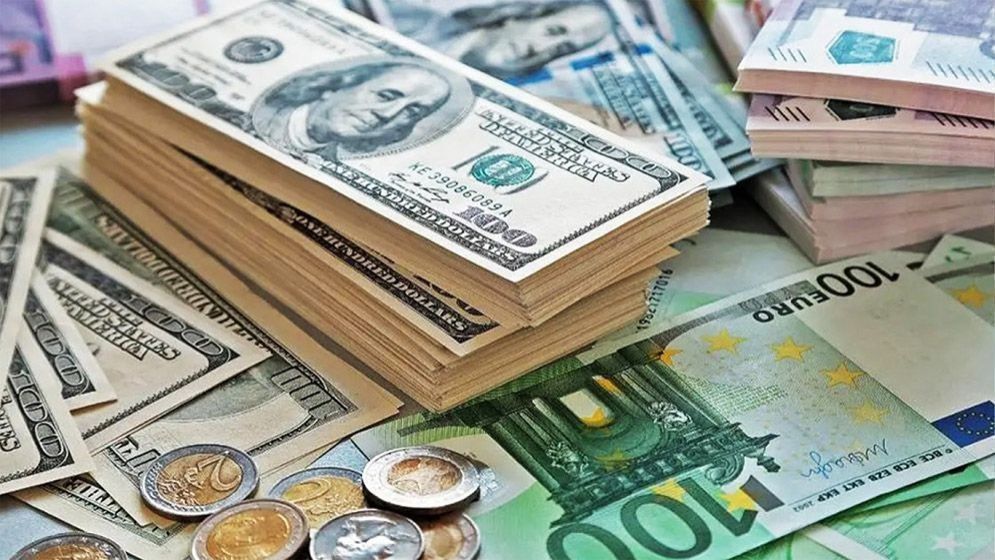
The latest foreign exchange rates in Bangladesh reflect the ongoing dynamics of international trade, remittance inflows, and global currency fluctuations. As Bangladesh continues to deepen its commercial ties with various economies, the demand for timely and accurate currency information remains significant for importers, exporters, remittance recipients, and financial stakeholders.
Remittances sent by millions of Bangladeshis working abroad continue to play a crucial role in supporting household incomes and sustaining the country’s foreign currency reserves. In this context, daily monitoring of exchange rates is essential for individuals and businesses alike to make informed financial decisions.
Below is the updated exchange rate information for Thursday, 30 April 2026, showing the buying and selling rates of major foreign currencies against the Bangladeshi Taka.
Foreign Currency Exchange Rates (30 April 2026)
| Currency | Buying Rate (BDT) | Selling Rate (BDT) |
|---|---|---|
| US Dollar | 122.75 | 122.75 |
| Euro (European) | 143.33 | 143.34 |
| British Pound | 165.38 | 165.45 |
| Indian Rupee | 1.29 | 1.29 |
| Chinese Yuan | 17.92 | 17.92 |
| Japanese Yen | 0.76 | 0.76 |
| Australian Dollar | 87.34 | 87.36 |
| Singapore Dollar | 95.77 | 95.81 |
These rates indicate relatively stable movements across most major currencies, with only marginal differences between buying and selling prices in several cases. Such stability often reflects controlled market conditions and steady demand-supply balance in the foreign exchange market.
The US dollar continues to serve as the primary benchmark currency in Bangladesh’s international transactions. Meanwhile, the Euro and British Pound remain significant due to strong trade and remittance links with Europe and the United Kingdom. Regional currencies such as the Indian Rupee and Chinese Yuan also maintain importance given Bangladesh’s close trade relations with neighbouring and major Asian economies.
It is important to note that exchange rates may vary slightly across banks, money exchange houses, and financial institutions depending on transaction type, service charges, and market conditions. Rates are subject to frequent updates based on global economic developments, central bank policies, and foreign currency demand within the domestic market.
Overall, the foreign exchange landscape on 30 April 2026 reflects a broadly steady environment, supporting both trade activities and remittance-driven financial flows in Bangladesh.