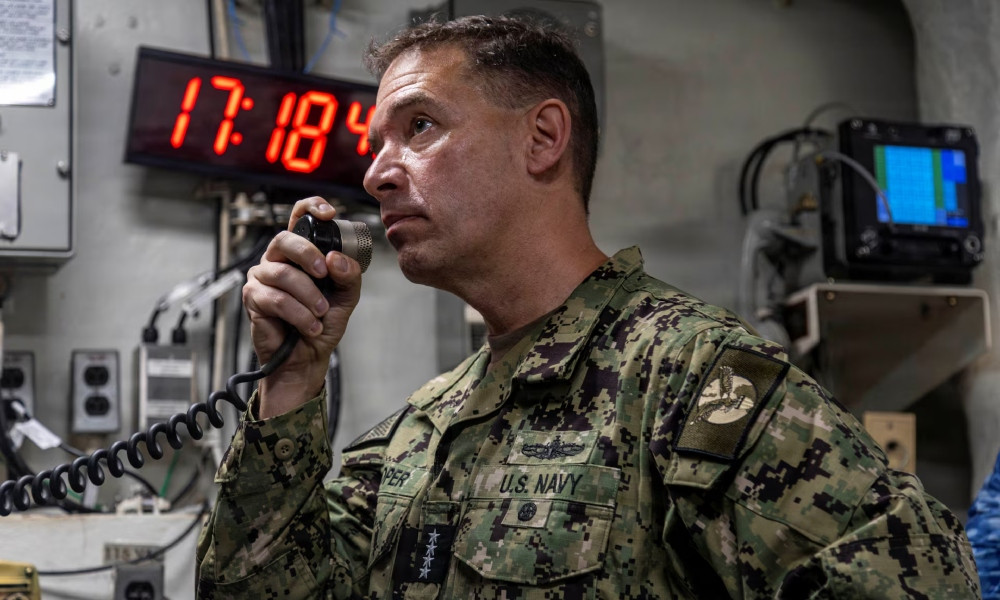
The Commander of United States Central Command (CENTCOM), Admiral Brad Cooper, is scheduled to brief President Donald Trump on Thursday regarding updated military contingency plans directed at Iran. According to reports from Axios, citing anonymous sources familiar with the matter, the strategic framework involves a series of targeted measures designed to address Tehran’s nuclear enrichment activities and regional maritime influence.
Proposed “Short and Powerful” Kinetic Action
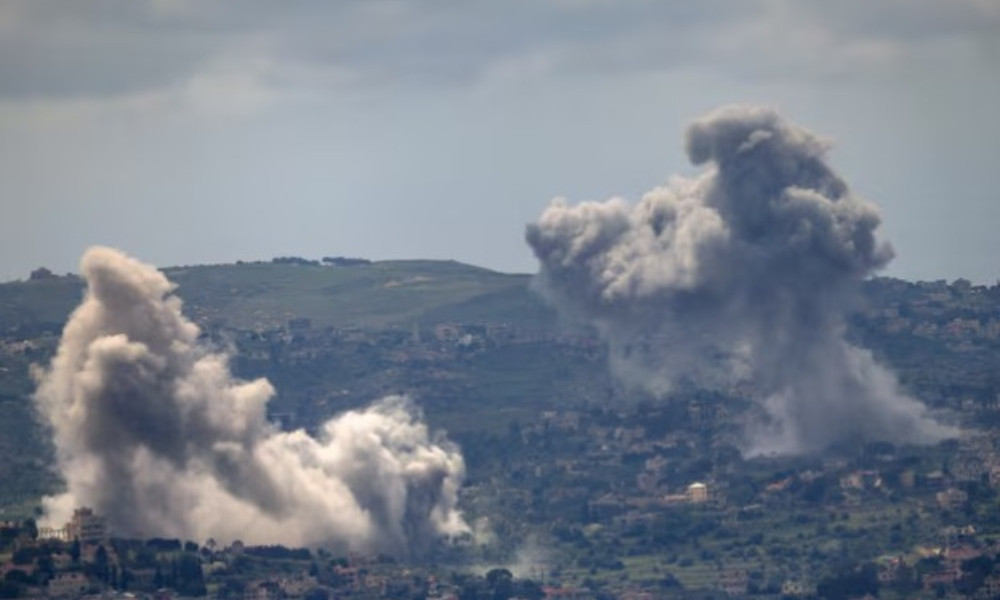
The cornerstone of the CENTCOM proposal involves a “short and powerful” military strike focused on Iranian infrastructure. Unlike long-term engagements, this specific plan is designed to be surgically precise, aiming to degrade key facilities without necessarily initiating a full-scale regional conflict. The primary objective behind such kinetic action is to secure leverage in diplomatic negotiations, specifically regarding the enrichment of uranium, which remains a central point of contention for the United States and its allies.
Maritime Control and Special Operations
Beyond aerial or missile strikes, the briefing includes significant components regarding the Strait of Hormuz and the security of global energy corridors. The proposal outlines a strategy for the United States to take control of specific segments of the Strait of Hormuz currently under Iranian jurisdiction. This action aims to ensure the unhindered passage of commercial shipping. Implementation of this maritime control may necessitate the deployment of U.S. ground forces to secure strategic positions.
Furthermore, the Pentagon is reportedly considering the deployment of elite special operations units. These forces would be tasked with the high-stakes objective of seizing stockpiles of enriched uranium currently held within Iranian borders.
Presidential Preference for Economic and Naval Blockades
Despite the robust military options presented by CENTCOM, President Trump expressed a nuanced view on Wednesday during an interview with Axios. He indicated that he views a naval blockade as “somewhat more effective” than direct bombardment. Currently, the President appears to favour a blockade as the primary mechanism for exerting maximum pressure on Tehran, suggesting a preference for economic and logistical strangulation over immediate kinetic warfare.
Strategic Summary of Proposed Actions
| Strategic Category | Proposed Action | Primary Objective |
| Air & Missile Strikes | Short, powerful targeted hits | Destruction of key state infrastructure |
| Diplomatic Leverage | Increased military posturing | Forcing concessions on uranium enrichment |
| Maritime Strategy | Control of the Strait of Hormuz | Ensuring global energy transport security |
| Special Operations | Deployment of elite units | Seizure of enriched uranium stockpiles |
| Ground Presence | Tactical land deployments | Securing coastal and strategic assets |
Context and Implications
The scheduled briefing indicates that the Trump administration is seriously re-evaluating the possibility of significant military intervention in Iran. The overarching goal remains the resolution of the diplomatic impasse that has characterised recent relations. By presenting a credible military threat alongside economic measures, the administration seeks to compel the Iranian leadership to adopt a more flexible stance during future peace talks.
While the naval blockade remains the President’s preferred instrument of pressure, the inclusion of infrastructure strikes and special operations in CENTCOM’s briefing highlights a comprehensive readiness to escalate if diplomatic or economic pressures fail to achieve the desired results. These developments mark a significant moment in U.S. foreign policy regarding the Middle East, as the administration weighs the risks of direct military engagement against the necessity of halting Iran’s nuclear progression.