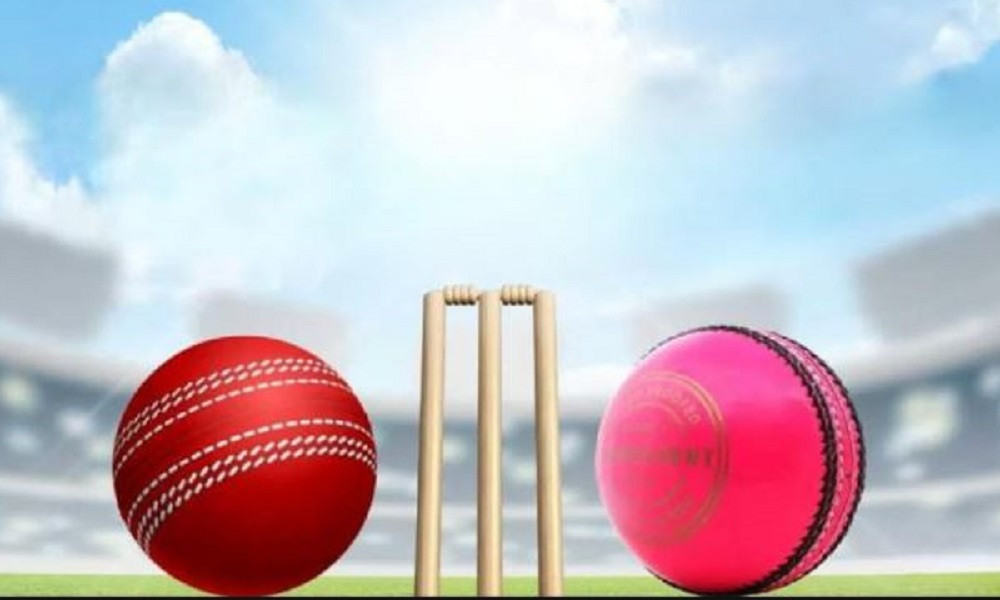
The International Cricket Council (ICC) is reportedly considering a series of significant innovations aimed at modernising Test cricket and improving its adaptability to varying playing conditions. Among the most notable proposals is the experimental use of both red and pink balls within the same Test match, alongside several other regulatory adjustments across formats.
Traditionally, Test cricket has been played exclusively with the red ball under natural daylight, with players wearing white clothing. In recent years, the introduction of the pink ball has enabled day-night Tests, designed to attract larger audiences and improve broadcasting appeal. The ICC is now exploring a hybrid approach in which both red and pink balls could be used in a single Test depending on weather conditions, visibility challenges, or the use of floodlights.
According to reports published by cricket-focused platform Cricbuzz, the idea is being evaluated as part of a broader review of playing conditions. The proposal suggests that in cases of adverse weather or poor light, teams—by mutual agreement—could switch to the pink ball during a match otherwise conducted with the red ball. However, the operational framework for such a transition remains unclear, particularly regarding continuity, fairness, and ball performance differences.
Alongside this, the ICC is also reviewing several other potential changes across formats. One key discussion point involves allowing head coaches to enter the field of play during drinks breaks in limited-overs cricket, particularly Twenty20 Internationals. This would mirror existing practices in T20 cricket and may be extended to One Day Internationals. At present, only designated substitute fielders are permitted limited on-field access under strict conditions.
Further adjustments are also being considered to reduce the innings interval in T20 matches from 20 minutes to 15 minutes. This change would shorten overall match duration and could increase scheduling efficiency, although it would reduce teams’ turnaround time between innings.
In addition, discussions have been held around enhancing the use of technology in adjudicating bowling actions. Match officials may soon be granted access to Hawk-Eye or similar data systems on the field to assist in identifying potentially illegal bowling actions in real time. The ICC has consistently emphasised stricter enforcement against suspect actions, and this move would align with that objective.
A high-level summary of the proposed changes is outlined below:
| Area of Reform | Current Regulation | Proposed Change | Status |
|---|---|---|---|
| Ball usage in Tests | Red ball only (day), pink ball (day-night Tests) | Conditional use of both red and pink balls in same match | Under review |
| Coaching access | No on-field coach access during play | Coaches allowed on field during drinks breaks (limited overs) | Under consideration |
| T20 innings break | 20-minute interval | Reduced to 15 minutes | Proposed |
| Bowling action review | Off-field review using third umpire systems | On-field access to Hawk-Eye data for umpires | Being evaluated |
Reports suggest that these matters were discussed at a virtual meeting of the ICC’s Chief Executives’ Committee, which included participation from former India captain and ICC Cricket Committee chair Sourav Ganguly. A formal decision is expected at the ICC’s scheduled meeting in Ahmedabad, India, on 30 and 31 May, where final approval for implementation could be granted. If endorsed, some of the changes may come into effect from 1 October.
These potential reforms reflect the ICC’s ongoing efforts to balance tradition with innovation, ensuring that cricket remains competitive, commercially viable, and adaptable to modern viewing and playing conditions.