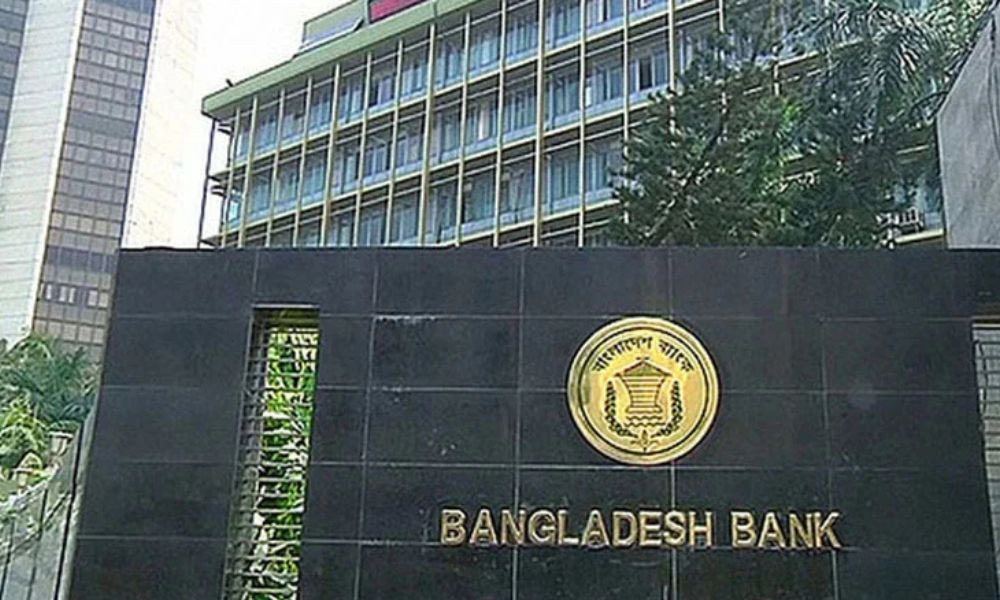
Bangladesh Bank has unveiled a substantial refinancing initiative aimed at bringing dormant and underutilised industrial and service-sector enterprises back into operation, in a move designed to stimulate production, employment, and export growth.
Under the scheme, a dedicated fund of Tk 20,000 crore has been created for large-scale industries and service-oriented businesses that remain closed or partially inactive due primarily to shortages of working capital rather than a lack of physical infrastructure or technical capacity. Commercial banks will draw from this central bank facility and extend loans to eligible clients at a concessional interest rate capped at 7 per cent—significantly below prevailing market lending rates of around 12 to 14 per cent.
According to the policy guidelines issued through a circular circulated to all scheduled banks, a single company or corporate group may receive up to Tk 200 crore in working capital support. The facility forms part of a broader Tk 60,000 crore stimulus framework previously announced to revive economic activity, particularly in large-scale industries and service sectors.
The central bank has indicated that the initiative is intended not only to restore production capacity but also to enhance export competitiveness and generate new employment opportunities. Priority will be given to firms that possess adequate machinery and infrastructure but are unable to operate at full capacity due to financial constraints.
Key Features of the Scheme
| Component | Details |
|---|---|
| Total fund size | Tk 20,000 crore |
| Interest rate (end-user) | Maximum 7% |
| Market lending rate | 12%–14% |
| Maximum loan per group | Tk 200 crore |
| Purpose | Working capital for revival of idle/partial industries |
| Scheme framework | Part of Tk 60,000 crore stimulus package |
The policy further specifies that export-oriented and indirect export-oriented enterprises will receive preferential consideration. Additionally, firms that acquire or lease previously closed enterprises with the intention of restoring operations will also be eligible for financing support.
To ensure financial discipline and minimise risk, strict eligibility criteria have been introduced. Borrowers must not be classified as defaulters under the Credit Information Bureau (CIB) database. Any history of loan misuse or money laundering disqualifies applicants from accessing the facility. In certain cases, banks may appoint representatives to oversee the utilisation of working capital to ensure compliance and proper fund management.
Authorities have also suggested that both participating banks and successfully revived enterprises may receive state recognition for effective utilisation of the scheme, particularly where measurable contributions to economic growth are demonstrated.
Economists suggest that by lowering the cost of borrowing for struggling but viable enterprises, the initiative could help unlock idle productive capacity, ease pressure on the financial sector, and contribute to broader macroeconomic stabilisation.