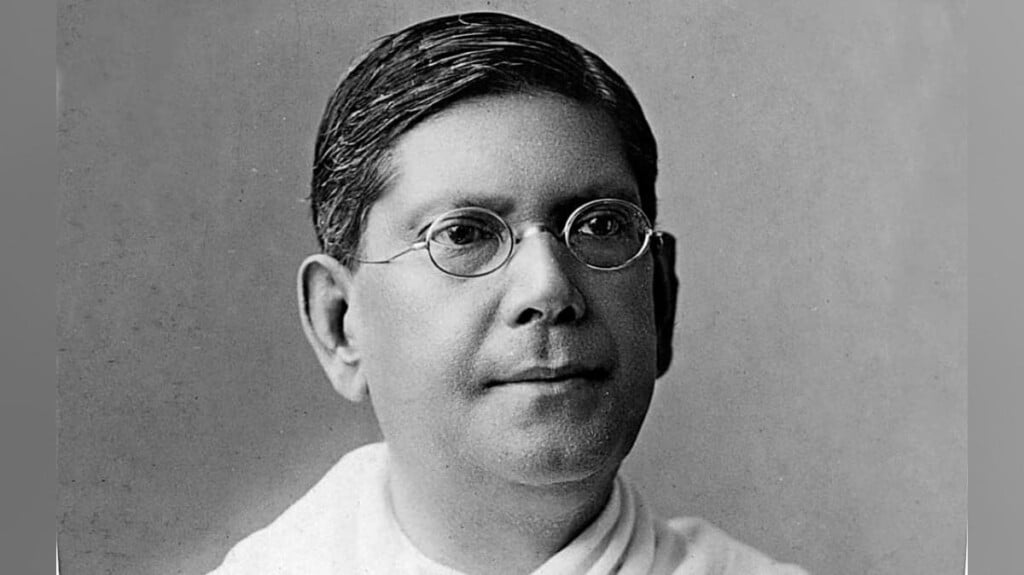
The history of the independence movement in the Indian subcontinent features a select group of individuals whose intellect, self-sacrifice, and patriotism left an permanent mark. Foremost among them was Deshbandhu Chittaranjan Das, affectionately known as C. R. Das. He was a distinguished barrister, politician, freedom fighter, social reformer, poet, and writer whose entire life was dedicated to the welfare of his nation and its people.
Legendary Legal and Political Career
Das achieved legendary status within the legal profession. His most notable triumph occurred during the historic Alipore Bomb Case of 1908. Acting as the defence counsel for the revolutionary nationalist Sri Aurobindo Ghose, Das deployed exceptional legal acumen and logical arguments to secure Ghose’s absolute acquittal. This landmark verdict firmly established him as one of the pre-eminent barristers in undivided India.
In the political arena, Das was a pivotal leader of the Non-Cooperation Movement, spearheading active resistance against British colonial rule. Following ideological differences at the Gaya Congress session in 1922, he resigned from his position as President of the Indian National Congress. Shortly thereafter, he co-founded the Swaraj Party alongside Motilal Nehru, aiming to dismantle the colonial administrative framework from within legislative councils.
Commitment to Swadeshi and Civic Governance
His commitment to the Swadeshi (indigenous) ideology was absolute. Upon joining the Non-Cooperation Movement, he completely renounced western luxury, burning foreign attire and wearing Khadi dhotis and kurtas for the remainder of his life. He liquidated his immense professional earnings, donating the vast majority to national schools, public healthcare, and political struggles, earning him the title “Deshbandhu” (Friend of the Nation).
In 1924, Das made history by being elected as the first Mayor of the Calcutta Corporation. During his tenure, he revolutionized municipal administration, laying down modern frameworks for civic amenities, free healthcare, and urban governance in Calcutta.
Beyond politics, Das was an avid litterateur and poet. He founded and edited the influential monthly literary magazine Narayan, which became a prominent forum for contemporary intellectual discourse, facilitating the open publication of diverse viewpoints.
Birth, Passing, and Tributes
Chittaranjan Das was born on 5 November 1870 in Telirbagh village, located in the Tongibari Upazila of the historic Bikrampur region, which is situated in the modern-day Munshiganj District of Bangladesh. He was raised in an influential family renowned for its contributions to education, culture, and social reform.
Das passed away at the age of 55 on 16 June 1925 in Darjeeling, plunging the subcontinent into mourning. Paying a profound tribute to his memory, Nobel Laureate Rabindranath Tagore penned the famous couplet:
“You had brought with you an deathless soul,
In your death, you have gifted it to your nation.”
Key Milestones in the Life of C. R. Das
| Year | Milestone / Achievement | Historical Context |
| 1870 | Birth in Telirbagh, Bikrampur | Born into a prominent progressive family. |
| 1908 | Alipore Bomb Case Defence | Secured the absolute acquittal of Sri Aurobindo Ghose. |
| 1922 | Resignation & Swaraj Party Foundation | Resigned as Congress President to form the Swaraj Party. |
| 1924 | Mayor of Calcutta Corporation | Became the first elected Mayor, reforming civic administration. |
| 1925 | Demise in Darjeeling (16 June) | Passed away at 55; marked the loss of a visionary leader. |