The United States and Indonesia have reached an agreement to reduce tariffs and ease export restrictions on critical minerals, marking a significant development in trade relations between the two nations. The White House confirmed the deal on Tuesday, with President Donald Trump calling it a “huge win” for American companies.
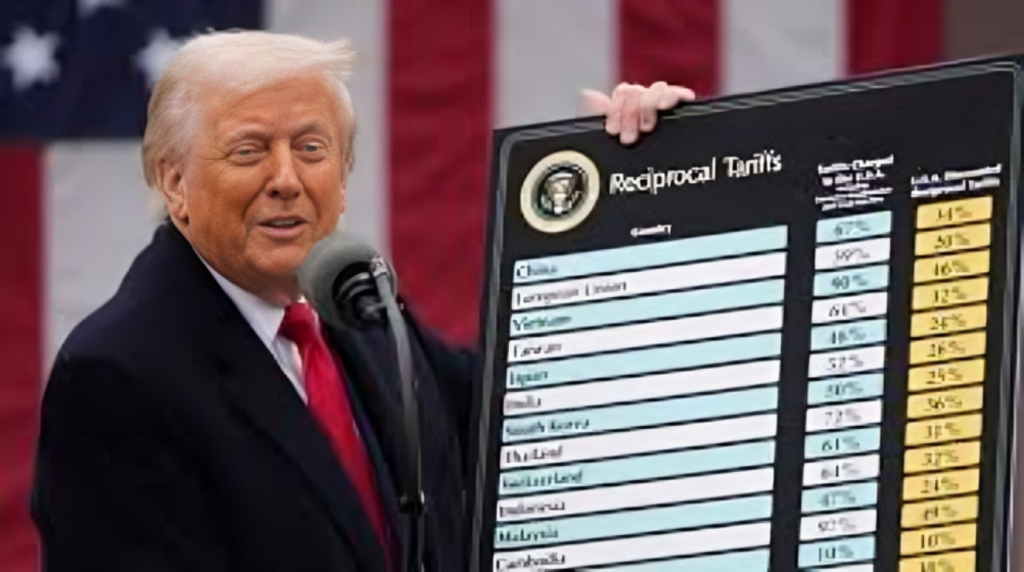
The deal, which was first announced last week, notably reduces a threatened US tariff on Indonesian goods from 32 percent to 19 percent. However, products that are deemed to have been transshipped in an attempt to circumvent higher duties will be subject to a steeper tariff of 40 percent, a US official confirmed.
Details of the US-Indonesia Trade Agreement
| Key Elements | Details |
| Tariff Reduction | From 32% to 19% for Indonesian goods |
| Tariff on Transshipped Goods | 40% |
| Industrial and Tech Goods Access | Open Market Access for US products |
| Critical Mineral Exports | Eased restrictions on exports of copper, cobalt, nickel, etc. |
| Boeing and US Products | Indonesia to purchase Boeing aircraft and US agricultural and energy goods |
| Other Benefits | Removal of data tax, pre-shipment inspection removal, acceptance of US vehicle safety standards |
The deal includes an agreement that Indonesia will ease restrictions on the export of vital industrial commodities, including critical minerals such as copper, cobalt, and nickel, which are essential to various high-tech and energy industries. These minerals are of significant importance to the United States as it seeks to reduce its reliance on China for such resources.
The White House statement elaborated that certain commodities not readily available in the US could even benefit from a lower levy, further enhancing the potential benefits of the deal.
Trump heralded the agreement as a victory for US industries, particularly in the tech and agricultural sectors, noting that 99% of Indonesia’s tariff barriers would be eliminated under the deal.
“It is agreed that Indonesia will be Open Market to American Industrial and Tech Products, and Agricultural Goods, by eliminating 99 percent of their Tariff Barriers,” Trump wrote on his Truth Social platform.
In addition to tariff reductions, Indonesia has agreed to remove its efforts to impose a tax on data flow, which the US official referred to as a “revenue grab” targeting American companies. Moreover, Indonesia will no longer require pre-shipment inspections for US goods and has agreed to accept US federal motor vehicle safety standards, making it easier for US manufacturers to export cars and other goods to Indonesia.
Economic Impact and Future Developments
The deal is expected to have significant economic implications, with the US official estimating it to be worth at least $50 billion in terms of new market access and the purchases Indonesian companies are expected to make, particularly in sectors such as agriculture, energy, and aviation.
Broader Trade Context
This deal with Indonesia is part of a wider push by the Trump administration to strike trade agreements with multiple countries ahead of the looming deadline for the implementation of higher tariffs on a range of global trading partners, which is set for August 1.
The United States had already imposed a 10 percent levy on many trading partners earlier this year and had considered raising duties on several others. However, these increases have been postponed multiple times, and the Indonesia agreement is one of several new deals that have been finalised recently, including with the UK, Vietnam, and the Philippines.
In addition to these agreements, the United States and China have also reached a temporary understanding to lower tit-for-tat tariffs on each other’s goods, although this suspension is expected to expire by mid-August. This shift in trade dynamics highlights the broader efforts by the US to expand market access and secure supply chains for critical goods in the face of global uncertainties.