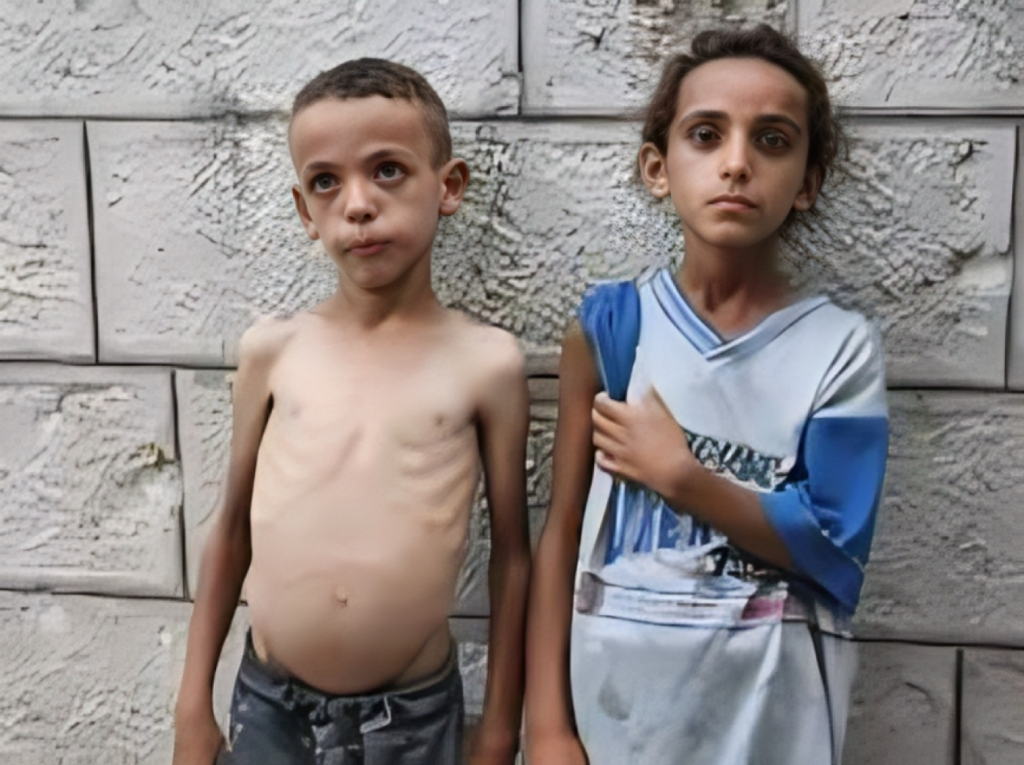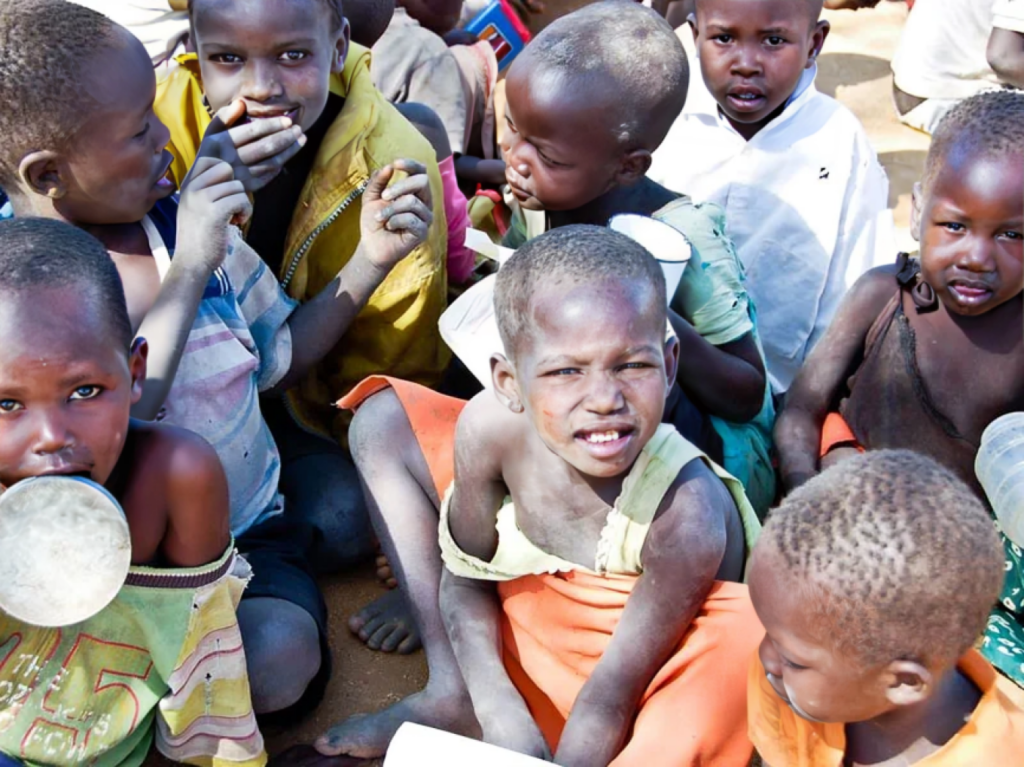
More than 600 malnourished children have tragically died in northern Nigeria within the past six months due to the lack of timely access to adequate care, according to Médecins Sans Frontières (MSF), also known as Doctors Without Borders. The alarming rise in child deaths has been attributed to a growing malnutrition crisis exacerbated by dwindling foreign aid, economic hardship, and insecurity in the region.
Escalating Malnutrition Crisis in Northern Nigeria
MSF reports that northern Nigeria, a region already plagued by insurgency and banditry, is currently experiencing an “alarming malnutrition crisis.” In Katsina State alone, nearly 70,000 children were treated for malnutrition in the first half of 2025, with close to 10,000 of them requiring hospitalisation.
One of the gravest concerns is the sharp increase in nutritional oedema, the most severe and fatal form of malnutrition among children. The number of such cases rose by a staggering 208% compared to the same period in 2024.
Key Figures from MSF (Jan–Jun 2025)
| Metric | Data |
| Children treated for malnutrition in Katsina | 69,000 |
| Hospitalised children | 10,000 |
| Deaths in MSF facilities | 652 |
| Increase in nutritional oedema cases (YoY) | 208% |
“Unfortunately, 652 children have already died in our facilities since the beginning of 2025 due to a lack of timely access to care,” MSF said in a statement released on Friday.
Aid Cuts, Conflict, and Food Insecurity Fuel the Crisis
A combination of foreign aid cuts, rising living costs, and jihadist violence has worsened conditions across the region. MSF country representative Ahmed Aldikhari highlighted that funding reductions from the United States, United Kingdom, and European Union are severely impeding efforts to treat malnourished children.
“The true scale of the crisis exceeds all predictions,” Aldikhari noted.
MSF conducted a survey among 750 mothers, revealing that over 50% were acutely malnourished, and 13% were suffering from severe acute malnutrition.
Local Government Response
Katsina State’s nutrition officer, Abdulhadi Abdulkadir, acknowledged the crisis but questioned the figures released by MSF.
“Yes, definitely there are deaths as a result of malnutrition,” he told AFP, while cautioning that the MSF data may be “too high compared to reality” and lacked official validation. He pledged to release state figures the following week.
Abdulkadir pointed out that northern Katsina—bordering Niger and located within the semi-arid Sahel—faces the worst malnutrition due to poor agricultural conditions. Meanwhile, the southern, more fertile part of the state has seen reduced food production because of criminal bandit gangs who raid villages, making farming dangerous.
“This has aggravated the issue of malnutrition,” he said.
Katsina State Government Nutrition Budget
| Year | Budget Allocation | Approx. USD Equivalent |
| 2024 | ₦500 million | $330,000 |
| 2025 | ₦1 billion | $660,000 |
National and International Warnings
Across Nigeria’s population of roughly 230 million, a record 31 million people are now facing acute hunger, according to David Stevenson, head of the UN World Food Programme (WFP) in Nigeria.
Earlier this week, the WFP warned that, due to critical funding shortfalls, it would be forced to suspend all emergency food and nutrition aid for 1.3 million people in northeast Nigeria by the end of July 2025.
This devastating combination of humanitarian underfunding, ongoing conflict, and environmental hardship continues to take a deadly toll on Nigeria’s most vulnerable—its children. The crisis underscores the urgent need for international support, government accountability, and sustainable solutions to address widespread hunger and malnutrition