More than 20 people are missing or unaccounted for after a flash flood swept through the remote interior of the Grand Canyon in Arizona, United States, on Saturday, 29 August. Park rangers and emergency crews are conducting search and rescue operations as authorities work to evacuate visitors stranded in the affected areas.
The National Park Service said the flooding struck the Bright Angel Canyon and Phantom Ranch areas along the Colorado River. The locations are major attractions within Grand Canyon National Park, but their remote terrain presents significant challenges for emergency responders.
According to a report by Indian news outlet NDTV, the National Park Service said more than 20 people remained missing or their whereabouts could not be confirmed. The agency has appealed to members of the public for any information that could help establish the location or safety of those unaccounted for.
Grand Canyon National Park staff are working alongside the Arizona Department of Public Safety to clear affected areas and reach people who may have become stranded by the rapidly rising water. At least 62 people had been evacuated from the affected areas by Sunday, according to information released by the authorities.
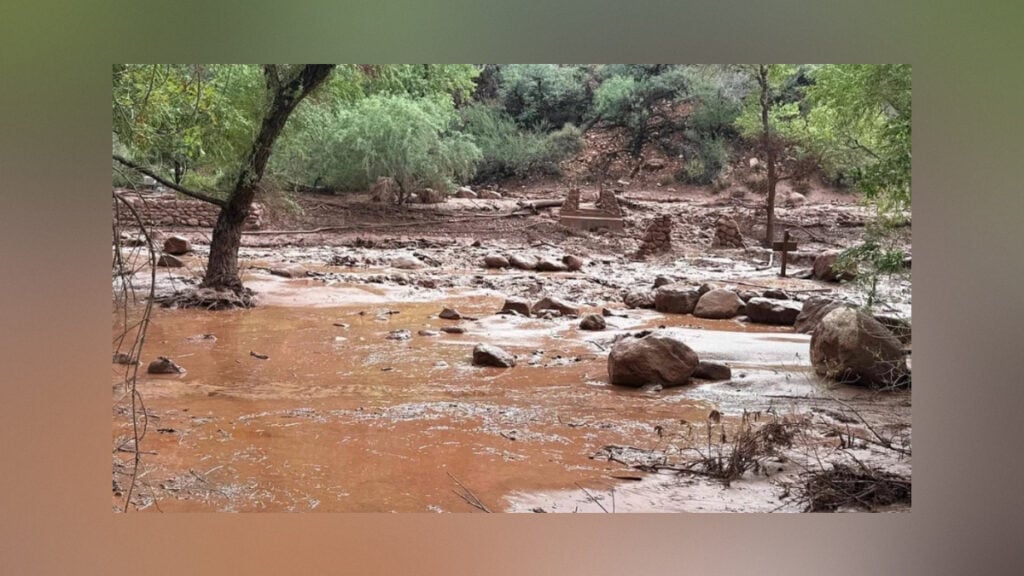
The flash flood struck on Saturday afternoon in the canyon’s remote inner areas, including Bright Angel Canyon and Phantom Ranch. The force of the water caused extensive damage to trails and other infrastructure. Several pedestrian bridges over Bright Angel Creek, an important tributary of the Colorado River, were destroyed, severely restricting movement through the area.
In response, the National Park Service closed Phantom Ranch, Bright Angel Campground and the entire North Kaibab Trail until further notice. The closures are intended to protect visitors while search operations continue and damaged infrastructure is assessed.
Authorities also planned further evacuations from the Cottonwood Campground and Phantom Ranch areas. Park officials urged anyone who knows of a hiker or backpacker who may still be stranded in the affected areas to provide information as quickly as possible.
One hiker, David Gregory, said he had been hiking with a small group when the sudden flooding forced them to abandon their plans. He described seeing a rapidly advancing flow carrying a large amount of debris.
Gregory said his group was evacuated by helicopter to a nearby school before being taken to a hotel later that night. His account illustrates how quickly conditions can change in the steep and confined terrain of the Grand Canyon, where floodwaters can move through narrow channels with little warning.
The flooding has also disrupted access across the Colorado River. Black Bridge and Silver Bridge have been closed indefinitely, while all river travel and vessel activity have also been suspended. Authorities said the decision was taken after metal structures and other debris were carried into the river by the floodwaters, creating additional hazards for anyone attempting to travel through the area.
The National Park Service has warned that the danger may not have passed. Thunderstorms and heavy rainfall were forecast to continue through Monday, raising the possibility of further debris flows and rockfalls. Such conditions could complicate rescue operations and create additional risks for visitors and emergency personnel.
The latest incident has highlighted the particular dangers posed by flash flooding in the Grand Canyon. Although the area is a major tourism destination, its steep cliffs, narrow canyons and remote trails can make evacuation difficult when severe weather develops. Visitors in the canyon’s interior may also be far from roads and conventional emergency access points.
The authorities are therefore continuing to prioritise evacuations, search operations and restrictions on access to damaged areas. Officials have also urged people with information about missing hikers or backpackers to contact park authorities so that rescue teams can determine who remains in the affected areas.
The Arizona flooding comes amid reports of other serious weather-related disasters in mountainous regions. Earlier, severe flash floods and landslides in mountainous areas of Nepal reportedly caused more than 750 deaths, while more than 3,000 people remained missing. The incidents have again drawn attention to the dangers of sudden flooding and landslides in remote terrain, where difficult access can significantly hamper rescue and recovery efforts.