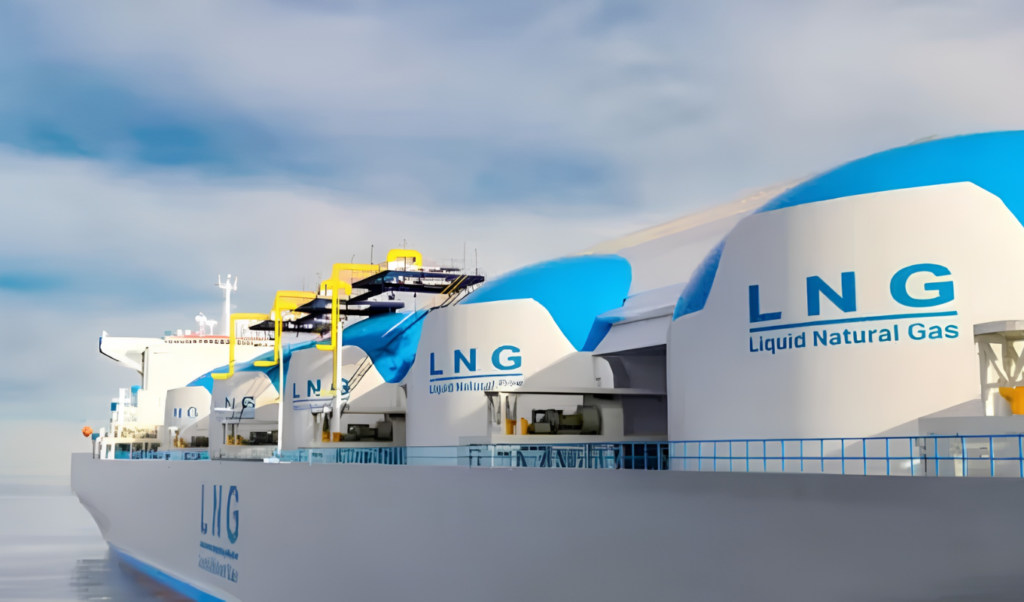
Bangladesh recorded a 61 per cent increase in liquefied natural gas (LNG) imports from the United States over the past year, securing 17th position among global importers of American LNG during the first half of 2026.
Data released by the US Energy Information Administration (EIA) shows that Bangladeshi LNG imports from the United States reached 50.23 billion cubic feet (bcf) between January and June this year. During the corresponding period in 2025, imports stood at 31.27 bcf. The year-on-year increase of 18.96 bcf underscores a deliberate effort by Bangladeshi energy authorities to diversify supply routes amidst volatile international markets.
Historically, Bangladesh has relied heavily on Middle Eastern exporters, particularly Qatar and Oman, to satisfy its natural gas demand under long-term contracts. However, escalating geopolitical conflicts in the Middle East and severe disruptions to maritime traffic through the Strait of Hormuz—a vital chokepoint for global energy shipments—have placed immense strain on traditional supply chains.
These transit bottlenecks directly aggravated Bangladesh’s domestic energy shortages. Insufficient gas inflows into the national grid led to reduced power generation, causing widespread electricity rationing and disrupting industrial production across key economic sectors, including ready-made garments and textiles. Manufacturing plants faced reduced operational capacity due to low pressure in gas distribution pipelines.
Faced with heightened supply risks in the Middle East, the surge in US LNG shipments highlights Bangladesh’s strategic pivot towards transatlantic sources to stabilise domestic supply. Securing cargoes from the United States provides crucial relief for industrial consumers and power generators, demonstrating the growing importance of source diversification in safeguarding national energy security. By balancing long-term regional agreements with flexible spot purchases from distant suppliers, the nation aims to cushion its economy against future geopolitical shocks and maintain uninterrupted industrial productivity.