A sharp spike in dengue fever cases across the south-western border district of Satkhira has prompted regional health authorities to issue a alert across all municipal and upazila health complexes.
Official statistics from the Civil Surgeon’s Office reveal that 239 patients have received hospital treatment for dengue during the current season up to 8 September. The transmission rate has accelerated noticeably in recent days, with 28 new admissions recorded over a 48-hour period alone. Hospital logs show that 15 patients were admitted on 6 September, followed by another 13 on 7 September.
At present, 32 individuals remain under active care across various medical facilities in the district, while 207 patients have recovered and been discharged. However, seven patients suffered severe clinical complications, forcing attending physicians to transfer them to specialized tertiary hospitals outside Satkhira for advanced care.
A site visit to Satkhira Sadar Hospital on Wednesday morning, 9 September, confirmed that dedicated management measures are in place to handle the influx. Ward 2 on the ground floor has been converted into a male dengue unit, whilst Ward 4 is serving female patients.
Attending nurse Arifa Khatun explained that staff are monitoring patients continuously. To prevent localized mosquito transmission within the wards and safeguard other hospital occupants, every bed has been fitted with mandatory mosquito nets.
Dr Joyanta Kumar Sarkar, a medical officer at the Satkhira Civil Surgeon’s Office, reported a steady daily rise in admissions across both upazila health complexes and the central district hospital. Medical staff are advising residents to undergo immediate diagnostic testing if they experience early symptoms such as high fever, severe headaches, retro-orbital pain behind the eyes, or acute muscle aches.
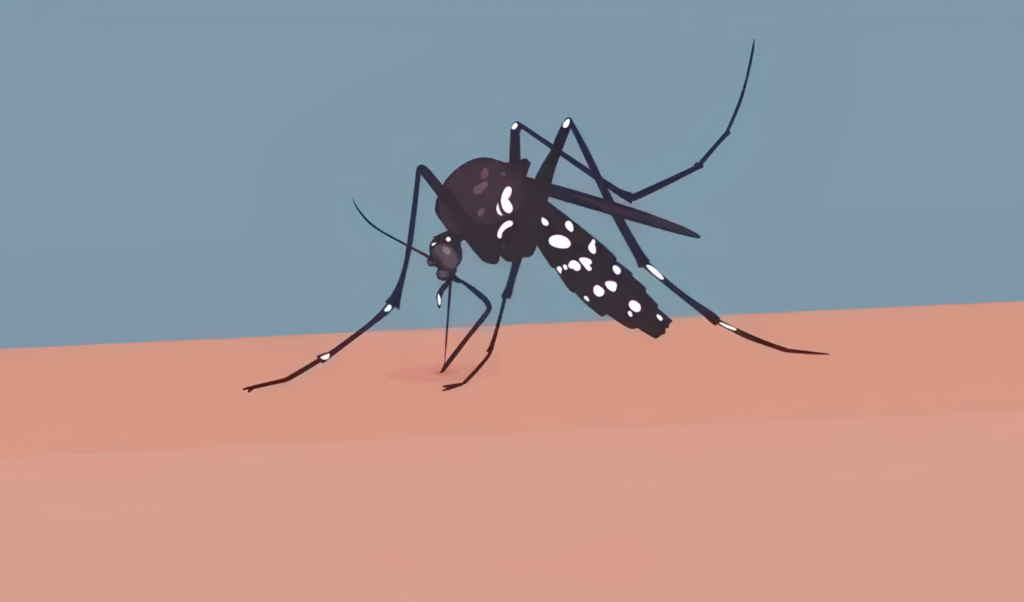
Public health officials emphasize that controlling vector breeding remains critical to curbing the outbreak. Dr Sarkar cautioned that medical treatment alone cannot contain the virus unless households actively inspect their premises and eliminate stagnant water in flowerpots, discarded containers, and coconut shells where Aedes mosquitoes breed.
While the sudden rise in cases has created anxiety among residents, the health department maintains that medical supplies and ward space remain adequate. Local community representatives have urged municipal authorities and union parishads to complement hospital efforts by launching immediate larvicidal spraying drives and cleanliness campaigns throughout the district.