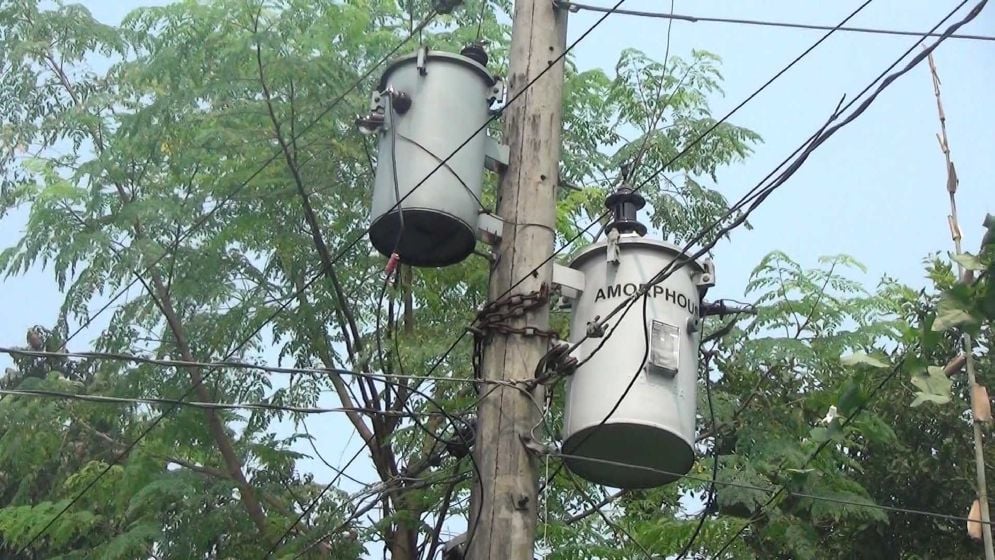
Severe fuel shortages and essential maintenance have forced 41 power plants across Bangladesh to shut down completely, triggering unprecedented power cuts and widespread public distress. Even operating units are running well below capacity, leaving rural regions without electricity for hours on end and crippling industrial production outside the capital.
Distribution utilities report that load shedding has breached all historical records, averaging roughly 3,000 megawatts (MW) nationwide. In a span of just ten hours, the national grid set two consecutive record highs for supply deficits. Peak load shedding reached 3,671 MW at 3:00 pm on Sunday, only to climb to 3,757 MW by 1:00 am the following morning. By comparison, previous peaks stood at 3,512 MW on 3 August and 3,419 MW on 27 June 2023.
Primary Drivers: Gas Shortages and Supply Disruptions
At the core of the crisis is a acute deficit of natural gas. Power facilities are receiving less than a third of their required fuel volume. According to Petrobangla, gas-fired plants require 2,520 million cubic feet per day (mmcfd) to meet demand, with a bare minimum threshold of 1,000 to 1,100 mmcfd needed to keep blackouts manageable. However, current supply stands at a meager 700 mmcfd.
As a result, power generation from gas-fired plants—which previously generated upwards of 5,500 MW—has dropped to between 3,500 MW and 4,000 MW. Although the necessary generation infrastructure exists, it remains idle due to fuel starvation.
The supply chain suffered a major disruption on 21 July when Excelerate Energy’s floating liquefied natural gas (LNG) terminal off Maheshkhali, Cox’s Bazar, sustained damage. The incident immediately cut daily gas output by 600 mmcfd, dropping total national supply to 2,140 mmcfd. Following partial repairs over a fortnight, 250 mmcfd has been restored to the grid. Petrobangla Director of Operations Engineer Md Shoaib indicated that full repairs are expected to take two to three days, potentially unlocking an additional 300 to 350 mmcfd later in the week.
Coal Supply Bottlenecks Worsen Deficit
The crisis has been exacerbated by logistical hurdles in coal procurement and transport. At the 1,200 MW Patuakhali Thermal Power Plant, output has been halved because adverse weather conditions in the Bay of Bengal have delayed transshipment from large mother vessels to smaller feeder ships off Kutubdia.
Cross-border supply from Adani Power’s Jharkhand plant in India has also declined from its normal 1,400 MW allocation to between 800 MW and 1,000 MW. Heavy rainfall and flooding in Jharkhand saturated coal stockpiles, disrupting generation. Adani officials anticipate returning to full capacity once coal drying and logistics stabilize.
Bangladesh possesses approximately 7,945 MW of coal-based power capacity, yet current generation hovers around 5,500 MW. While the Payra plant recently resumed operations following routine maintenance, technical faults have shut down two of the three units at Boropukuria, while output at Rampal remains constrained.
Operational and Economic Metrics
| Indicator / Metric | Standard / Capacity | Current Operational Status |
| Fully Shut Power Plants | 0 Units | 41 Units |
| Average Daily Power Deficit (Load Shedding) | Nominal | ~3,000 MW |
| Historical Peak Deficit Record (1:00 am) | — | 3,757 MW |
| Daily Gas Requirement for Power Generation | 2,520 mmcfd | 700 mmcfd |
| Gas Supply Minimum Threshold for Grid Stability | 1,100 mmcfd | 700 mmcfd |
| Gas-Based Power Generation Output | 5,500 MW | 3,500 – 4,000 MW |
| Post-Repair LNG Terminal Capacity Addition | Expected | 250 mmcfd |
| Expected LNG Terminal Capacity Recovery | Target | +300 to 350 mmcfd |
| Total Installed Coal Power Capacity | 7,945 MW | ~5,500 MW Actual |
| Adani Power Jharkhand Supply to Bangladesh Grid | 1,400 MW | 800 – 1,000 MW |
| Regional Grid Deficit: Sylhet (Monday) | 247 MW Demand | 202 MW Supplied (45 MW Shortfall) |
| Regional Grid Deficit: Rupganj & Araihazar | 200 MW Demand | 140 MW Supplied (60 MW Shortfall) |
Impact on Daily Life and Industry
The human and economic toll of the shortfall is growing across the country. Many districts endure between 10 and 12 hours of power outages daily amidst sweltering summer temperatures. In Sylhet, supply fell 45 MW short of the 247 MW demand on Monday, following a 56 MW deficit the previous day. Mounting frustration led residents to block roads in Sylhet’s Tuker Bazar in protest. Similar distress is reported in Santahar, Bogra, where electricity allocations have dropped by more than half, disrupting medical services, trade, and schooling.
Industrial sectors are facing a dual crisis of low gas pressure and rolling blackouts. Factory owners report that sudden power failures shut down automated assembly lines instantly, requiring significant restart windows once power is restored. Running backup diesel generators has significantly escalated operational costs and eroded export competitiveness.
Emergency Measures and Structural Outlook
To mitigate immediate shortfalls, the Power Development Board (PDB) is increasing output from expensive liquid fuel-based plants. PDB officials acknowledge, however, that prolonged reliance on heavy fuel oil (HFO) and diesel is fiscally unsustainable, particularly as unpaid bills to private power producers mount and complicate fuel imports.
PDB Chairman Engineer Md Rezaul Karim expressed optimism that grid conditions would improve slightly within two to three days as maintenance resolves and coal shipments normalize. Coordination between energy departments has intensified, with Power Division officials requesting prioritized gas allocations for quick-starting generation units.
Energy experts maintain that temporary reallocations will offer only short-term relief. Professor M. Tamim emphasized that the current crisis stems from structural vulnerabilities: declining domestic gas exploration, over-reliance on imported LNG, and uncoordinated capacity expansions. Long-term stabilization, he noted, will require accelerated domestic gas exploration, expansion of solar energy infrastructure, strict reduction of system wastage, and rationalisation of capacity payments across the power sector.