The Bangladesh Meteorological Department (BMD) has announced that both day and night temperatures are expected to decrease across the country over the next 24 hours. Alongside the dip in temperature, meteorologists have warned of widespread rainfall accompanied by sporadic squally winds and thunderstorms across all eight administrative divisions.
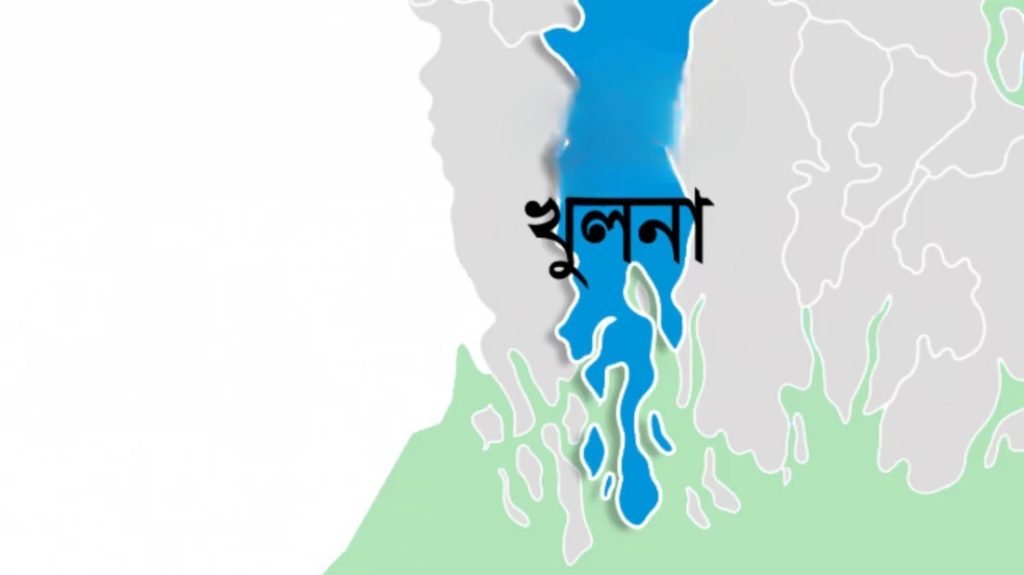
According to the official bulletin released on Saturday morning, a significant portion of the country will experience precipitation ranging from light to moderate downpours. The weather office indicated that many places in the Rangpur, Mymensingh, Khulna, and Sylhet divisions are likely to see temporary gusty winds alongside light to moderate rain or thunder squalls. Meanwhile, fair distribution of rain is also expected across several locations within the Rajshahi, Dhaka, Barishal, and Chattogram divisions. Selected areas across Bangladesh may experience isolated instances of moderate heavy to heavy rainfall as the system moves through the region.
Synoptic analysis provided by the forecasting centre reveals that the low-pressure area previously positioned over the Odisha-Andhra Pradesh coast has moved inland and currently lies over South Chhattisgarh and its adjoining regions. The monsoon trough continues to exert a strong influence on the local weather pattern. Its axis runs through Rajasthan, Uttar Pradesh, the centre of the low-pressure area, Bihar, Gangetic West Bengal, and the southern part of Bangladesh, extending as far as Assam in India.
Currently, the South-West monsoon remains fairly active over Bangladesh and maintains a moderate intensity across the North Bay of Bengal. This atmospheric alignment typically generates substantial moisture inflow from the sea, creating conditions ripe for convective cloud development and thunder activities. Citizens, particularly maritime operations, coastal inhabitants, and commuters in major urban centres like Dhaka and Chattogram, have been advised to monitor local weather updates closely as temporary surface gusts and sudden downpours could impact daily routines and local transport networks.