khaborwala online desk
Published: 19 Feb 2026, 09:28 pm
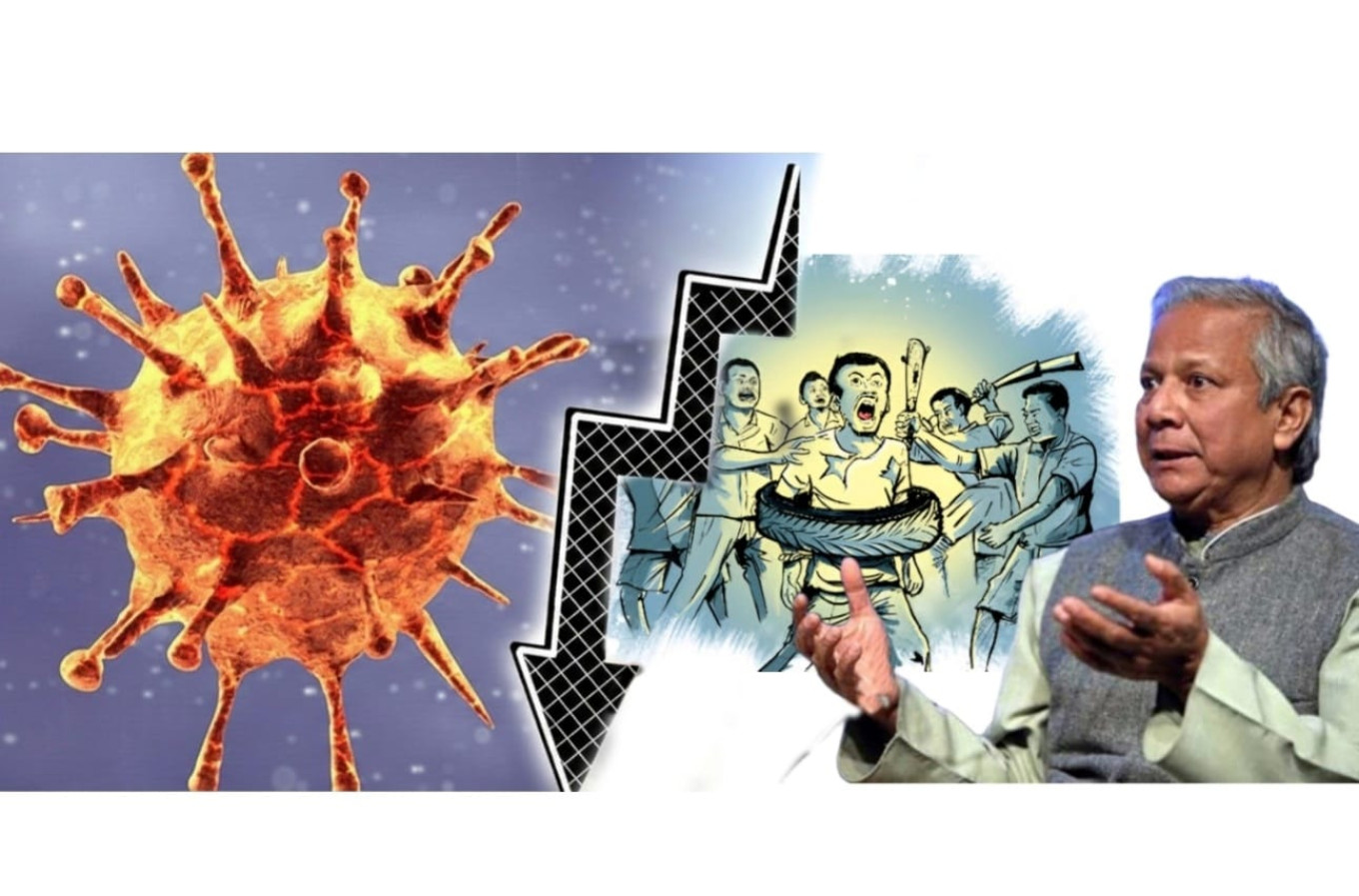
In Bangladesh’s modern history, the education sector has rarely endured such a prolonged and multi-layered crisis. Over recent years, two distinct forces have shaped this turbulence: the global Covid-19 pandemic and, subsequently, the political disorder that emerged under the administration led by Muhammad Yunus. One was an unavoidable global calamity; the other, critics argue, stemmed from policy choices, administrative inertia and the tacit encouragement of disorder. The debate is no longer merely emotional—it is fundamentally about the scale and durability of the damage inflicted.
During the Covid-19 crisis, educational institutions across Bangladesh remained closed for nearly two years. Approximately 37 million students were displaced from their classrooms. Emergency measures—online lessons via Zoom, televised classes and other digital initiatives—were introduced to mitigate learning losses. However, infrastructural limitations, uneven internet access and a lack of digital preparedness meant that these efforts achieved only partial success.
Post-pandemic data painted a troubling picture. Around 59 per cent of male students did not return to school regularly, while the dropout rate among female students stood at roughly 20 per cent. Economic hardship led to a rise in child labour and early marriage, compounding social vulnerabilities.
| Indicator | Estimated Impact |
|---|---|
| Duration of closures | প্রায় ২ বছর |
| Students affected | ~৩.৭ কোটি |
| Boys not returning regularly | ~৫৯% |
| Girls’ dropout rate | ~২০% |
| Insurance deposit ratio (contextual comparison year 2025) | ৪১.৫% (national financial resilience indicator) |
Yet this disruption was global in nature. Both developed and developing nations confronted similar educational paralysis. By early 2024, Bangladesh had resumed full public examinations and regular assessment systems. Student attendance improved, academic calendars stabilised, and classrooms gradually regained structure. The damage was deep but, crucially, the path to recovery remained open.
The situation shifted markedly after the political transition of 2024. Observers contend that the unrest under Dr Yunus’s leadership went beyond temporary disruption and assumed the form of structural deterioration. A “mob culture” reportedly spread across educational institutions, encompassing public, MPO-listed and private establishments alike. Teachers and administrators faced encirclement, intimidation, reputational attacks on social media and, in some cases, physical harassment.
The absence of firm administrative intervention appeared conspicuous. Rather than decisive enforcement of order, critics perceived tolerance—if not implicit encouragement—of disorder at various levels. The consequences were profound. Fear and uncertainty became entrenched within the teaching community. Management committees hesitated to exercise authority. Instruction was frequently suspended under the banner of protest, while student attendance and engagement declined.
Discipline in education is not a ceremonial concept; it is foundational to civic formation. Once eroded, it is far more difficult to restore than curriculum gaps caused by a pandemic. Thousands of educators reportedly worked under sustained psychological strain, some maintaining silence merely to preserve their positions. Even at the height of Covid-19, the sector had not witnessed comparable levels of intimidation.
Critics also note that although Dr Yunus rose to prominence with student support, he did not publicly and consistently call upon students to return to classrooms and prioritise academic continuity. Allegations persist that unruly elements were exploited for political ends, further weakening institutional authority.
Administrative lapses—such as delays in textbook distribution and policy reversals under pressure—exacerbated the sense of instability. The most enduring loss may not be measurable in examination scores but in diminished respect for teachers, weakened governance and a fractured culture of discipline.
Following nearly two years of turbulence, a newly elected government has assumed office. The Ministry of Education is now led by Abu Naser Muhammad Ehsanul Haque Milon, whose earlier tenure between 2001 and 2006 is remembered for several reform initiatives. Expectations within academic circles have consequently risen.
The present challenge is unambiguous: dismantle the culture of mob coercion, guarantee the safety and dignity of teachers, and swiftly re-establish order within classrooms. Education must cease to function as a political battleground and be restored as the cornerstone of national progress.
Covid-19 inflicted quantifiable and visible harm. Curriculum adjustments, supplementary classes and recalibrated assessments offered avenues of repair. By contrast, the erosion of institutional authority and civic discipline risks generational repercussions. In that sense, the more recent turmoil may represent a deeper and longer-lasting wound—one whose healing will demand principled leadership and sustained institutional resolve.
Writer : ABM Zakirul Haque Titon Journalist
Writer and Social Activist Editor, Khabarwala

> Voluntary Contributions or Extortion? Minister Redefines Road Tolls
> Mymensingh Student Missing After Robbery Attempt
> Yunus Government Officials Allegedly Foreign Lobbyists
> Covid or the Yunus Government — Who Caused Greater Damage to the Education Sector?
> Risk-Based Premiums to Reward Strong Banks
> Zimbabwe Defeat Sri Lanka After Beating Australia
> New Holiday Schedule Announced for Schools
> ICC Considers Moving Major Tournaments From India
> Bangladesh Bank Revises Hours for Holy Ramadan
> Guardian Life and Super Star Group Ink Strategic Pact
> Bihar Implements Statewide Ban on Open Meat Sales
> Tragic Death of Umpire After Bee Attack During Match

In a statement that has sparked significant debate across the transport sector, the Minister for Roa...
Mymensingh, Bangladesh – A tense search continues for a college student who went missing following a...
Renowned economist Professor Dr Anu Muhammad has asserted that several officials within the recently...
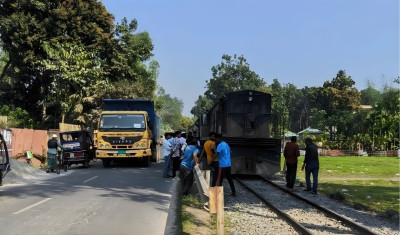
Rail services in Kurigram were temporarily suspended on Thursday afternoon following a collision bet...

In Santhia, a sub-district of Pabna, a violent altercation over a longstanding financial dispute lef...
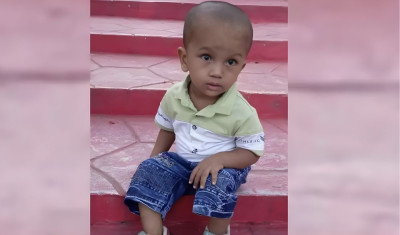
A tragic accident claimed the life of a three-year-old boy in Dohazari Municipality, Chittagong’s Ch...

Sweden-based forward Anika Rania Siddiqui has expressed her delight after receiving her first call-u...
_1771507835.jpg)
ABM Zakirul Haque Titon “He who has no friends is unfortunate, and he who claims everyone as a...
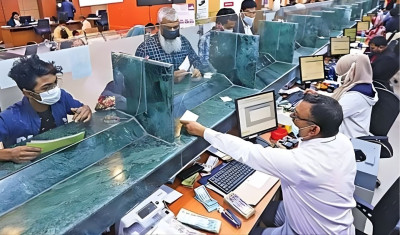
In observance of the holy month of Ramadan, banking and capital market operations across Bangladesh...

For the first time in history, the Bangladesh women’s football team will depart for Australia tonigh...
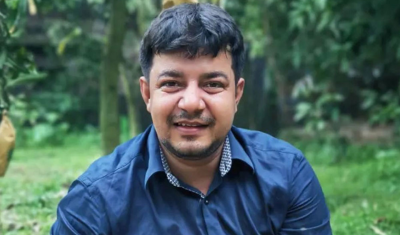
Dhaka, Bangladesh – The member-secretary of the Amjonota Party, Md. Tarek Rahman, has claimed that n...
Among the timeless creations of Rabindranath Tagore, the song “Tui Fele Eshechis Kare” remains one o...


Availabe for iphone & ipads

Available in google play
 বাংলা
বাংলা