Chattogram is confronting a sharp escalation in dengue fever cases, with healthcare authorities reporting more than 300 new infections within the first six days of September alone. The sudden spike in vector-borne transmissions across the port city and surrounding districts has heightened anxieties among local residents and public health officials alike.
Official statistics compiled by the Chattogram Civil Surgeon’s Office highlight a troubling trajectory when compared to previous weeks. Throughout August, the entire district—encompassing both municipal and rural areas—recorded 1,202 confirmed dengue cases and two fatalities. In contrast, the official tally for the first five days of September reached 367 infections alongside one reported death, demonstrating a marked acceleration in transmission rates.
Health experts warn that official figures likely understate the true scale of the outbreak. Many infected individuals seek treatment at private clinics, diagnostic centres, or through personal consultations that remain unrecorded in central municipal registries, suggesting the actual community transmission rate is significantly higher.
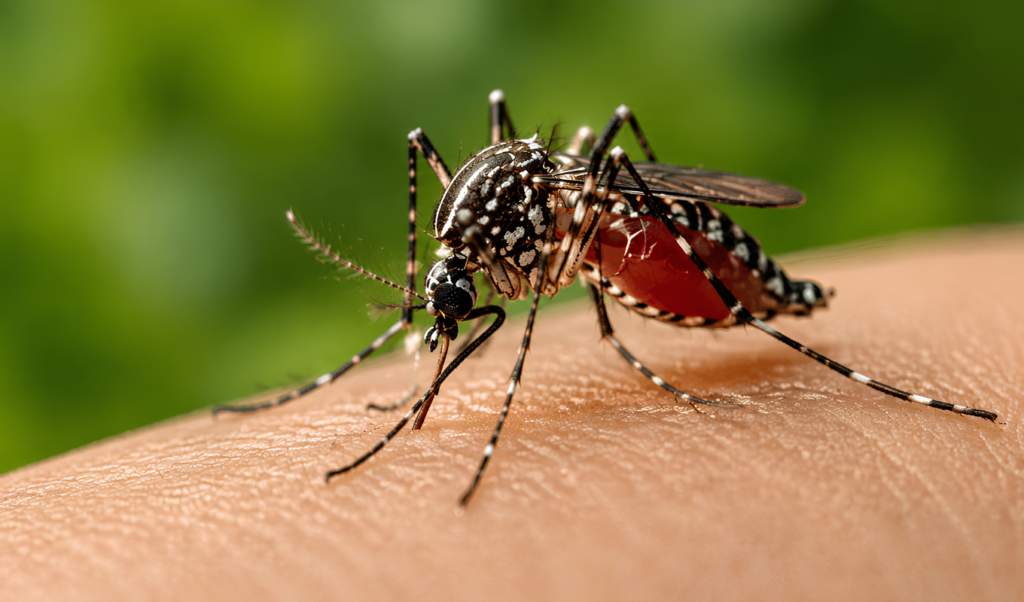
Public health specialists are urging immediate intervention to avert a potential health crisis as the monsoon season draws to a close. Experts emphasise that without aggressive measures—such as destroying Aedes mosquito breeding grounds, identifying high-risk transmission hotspots, bolstering hospital bed capacities, and launching public awareness drives—the healthcare infrastructure could face severe strain by late September and October.
Addressing the situation, Chattogram Civil Surgeon Dr Mohammad Sajedur Rahman noted that seasonal surges in dengue cases are expected to persist until mid-October. He assured that health authorities are taking proactive steps, including expanding public outreach programmes and increasing the supply of diagnostic kits across government medical facilities.
Dr Rahman also highlighted a critical clinical aspect of the disease that often leads to severe complications. While patients typically present with high fever during the initial stages, the period between the fourth and seventh days marks the most hazardous phase of the infection. As fever subsides during this window, patients and families often mistakenly assume recovery has begun, leading to neglected medical care precisely when risks of plasma leakage and shock are highest. Medical professionals strongly advise continuous monitoring and strict adherence to clinical guidance from the onset of symptoms.