Several people have been killed or injured after a major fire broke out at a military base in western Canada, prompting an emergency response and placing local healthcare services under considerable pressure. The incident occurred on Saturday, 17 October, at Canadian Forces Base Wainwright in Alberta. The Canadian government has confirmed casualties, but the exact death toll, the number of injured people and the circumstances surrounding the incident remain unclear.
Canadian Prime Minister Mark Carney announced the incident in a post on the social media platform X, describing it as a serious event involving a major fire at Canadian Forces Base Wainwright. He said the federal government was working closely with Alberta’s provincial authorities and local officials to respond to the situation.
Carney also expressed his sympathy for those affected by the incident. However, neither the prime minister nor the defence minister provided a detailed account of what had happened, leaving significant questions unanswered about the fire’s origin, its extent and the circumstances in which people lost their lives or sustained injuries.
Defence Minister David McGuinty confirmed the casualties during a press conference in Ottawa. Addressing journalists, he said, with regret, that several people had died and others had been injured in an incident at the military installation.
The minister did not disclose the identities of the victims or clarify how many of those affected were military personnel and how many were civilians. Details about the severity of the injuries and the extent of the damage to the base were also not immediately available.
McGuinty said further information would be released over the coming hours and days, suggesting that the authorities were still assessing the situation and establishing the facts.
Hospitals Face a Surge in Patients
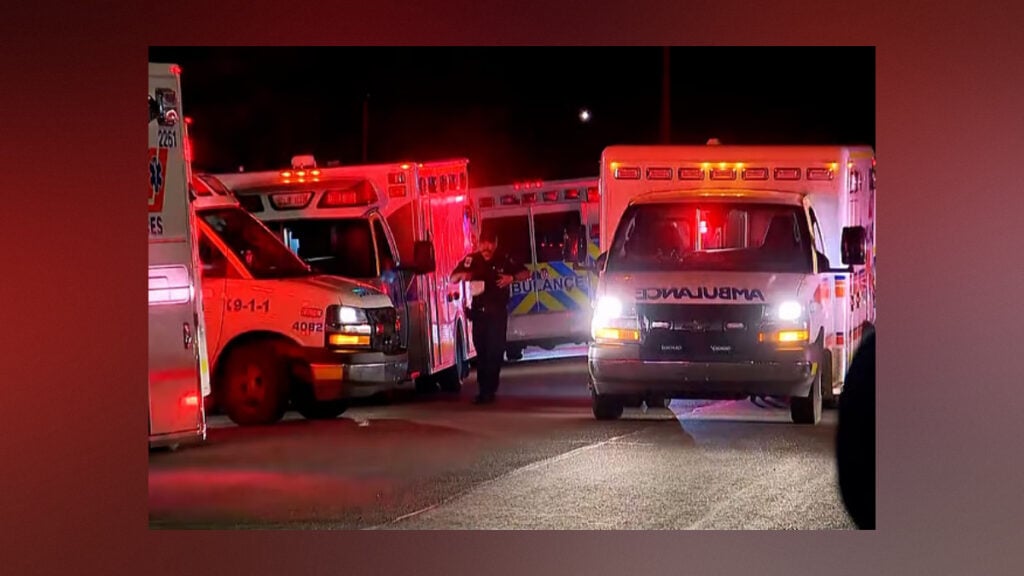
The incident appears to have placed considerable pressure on healthcare services in the surrounding area. A doctor at a hospital in Edmonton, approximately 200 kilometres north-west of the base, told the Canadian public broadcaster CBC that the number of patients seeking treatment had overwhelmed local medical resources.
Dr Warren Thirsk said the influx of patients was far greater than anyone had anticipated. Drawing on his professional experience, he described an event of this scale as exceptionally rare, saying he had encountered something comparable only once in the previous 15 to 25 years.
His remarks offered an indication of the scale of the emergency facing healthcare workers. A sudden influx of casualties can place substantial demands on emergency departments, medical staff and hospital capacity, particularly when the number and severity of injuries are initially uncertain.
However, the authorities have not released a comprehensive breakdown of the patients treated, the nature of their injuries or the number requiring further hospital care. It therefore remains difficult to assess the full medical consequences of the incident.
Strong Winds Contributed to the Spread of the Fire
Local authorities in Wainwright said strong winds had caused the fire to spread rapidly. Wind can complicate firefighting operations by carrying flames and embers beyond the initial area of ignition, making it harder for emergency crews to contain a blaze and protect nearby structures.
Officials subsequently reported that the fire was under control on Saturday. Firefighters nevertheless continued to monitor the affected area, indicating that emergency operations had not entirely concluded.
The precise cause of the fire has not been disclosed. There has been no official confirmation of whether it originated in a building, piece of equipment, vehicle or another part of the military installation. Nor have the authorities established publicly whether the incident resulted from an accident, an equipment failure or another cause.
Until further details emerge from the authorities, any explanation of how the fire started would be speculative.
The immediate priorities are likely to include ensuring that the affected area remains safe, supporting injured people, assessing damage and establishing the sequence of events. The continued presence of firefighters also allows emergency personnel to monitor for remaining hazards after the main blaze has been brought under control.
Concerns for Military Personnel and the Local Community
Canadian Forces Base Wainwright is a military installation in Alberta, close to the town of Wainwright. According to figures from Canada’s 2021 census, the base had a combined military and civilian workforce of 1,310 people.
The town itself, situated immediately north of the installation, has a population of approximately 6,600. The proximity of the military facility to the community has raised questions about the potential effects of the incident on local residents, public services and military operations.
There has been no official report confirming that the fire spread into residential areas or that members of the wider civilian community were among the casualties. The available information also does not establish how extensively the base’s facilities were damaged or whether its routine operations have been disrupted.
Military installations accommodate personnel, equipment and operational facilities, meaning that a major fire can have implications beyond the immediate emergency. The extent of any wider impact at Wainwright, however, remains unknown.
The incident has also affected local administrative arrangements. Alberta’s election administration office announced that an advance polling station in Wainwright had been closed. No further details were immediately provided about how long the closure would last or whether alternative arrangements would be made for affected voters.
The decision illustrates how a major emergency can disrupt public services and local activities even when its direct impact outside the affected site has not been established.
Government Promises Further Information
Prime Minister Carney said the federal government was maintaining close contact with Alberta’s provincial authorities and local administration as they responded to the incident. His statement conveyed the government’s condolences to those affected, while the defence minister’s comments confirmed that the consequences were serious.
Nevertheless, several central questions remain unanswered. These include the precise number of people killed and injured, the identities and status of the victims, the cause of the fire, the extent of the damage and the possible consequences for military operations at the base.
Establishing these details may require a formal assessment of the site, the collection of evidence and the verification of information about those affected. At a military installation, some operational details may also require careful handling before they can be made public.
For now, the authorities have confirmed that the incident resulted in deaths and injuries, that strong winds contributed to the rapid spread of the fire and that emergency personnel continued to monitor the area after the blaze was reported under control.
The focus remains on the welfare of those affected, the provision of medical treatment and the determination of what caused the incident. Further statements from the Canadian government and local authorities are expected to clarify the circumstances surrounding the fire at Canadian Forces Base Wainwright.
Until those details are released, the full scale and cause of the tragedy remain uncertain.