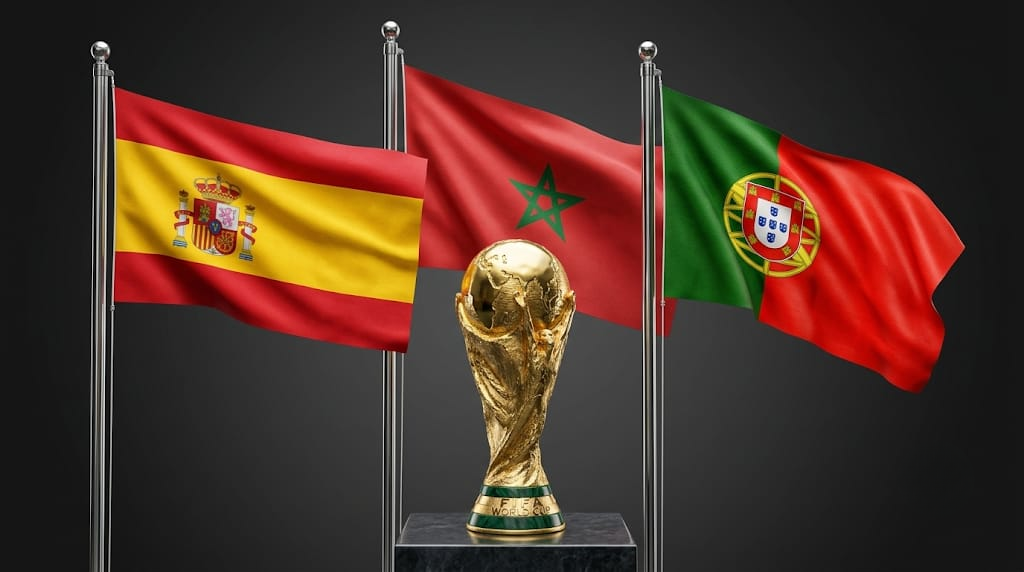
FIFA has formally begun examining the possibility of expanding the men’s FIFA World Cup to 64 teams for the tournament’s centenary edition in 2030, despite only recently introducing a 48-team format for the 2026 competition. The global governing body is preparing to appoint an independent research organisation to assess whether a further expansion would be practical, sustainable and beneficial for the world’s biggest football tournament.
According to a document obtained by Reuters, the independent study will evaluate the potential impact of increasing the number of participating nations from 48 to 64. The research will focus on several key areas, including the overall quality of the competition, its commercial value, organisational requirements and the broader implications for international football.
The proposal comes shortly after the conclusion of the 2026 FIFA World Cup, which marked the first edition to feature 48 teams instead of the long-standing 32-team format. That expansion significantly altered the tournament structure by increasing the number of groups, adding more matches and introducing an additional knockout round. While FIFA has only recently completed its first experience with the enlarged format, discussions have already begun over whether the competition could grow even further.
The idea of a 64-team World Cup was first formally proposed by CONMEBOL, South America’s football confederation, last year. The organisation argued that the 2030 tournament, which will commemorate the 100th anniversary of the FIFA World Cup, should provide more national teams with the opportunity to participate in what is expected to be a landmark edition of the competition.
FIFA’s internal research document states that the governing body intends to commission an independent organisation to determine whether expanding the World Cup from 48 to 64 teams from 2030 onwards would be both feasible and beneficial. The study will not only assess the potential advantages of a larger tournament but will also examine the risks and challenges associated with such a move.
Among the issues expected to be analysed are whether a 64-team tournament would strengthen global participation or dilute the overall standard of competition. Researchers will also consider the impact on the already crowded international football calendar, the logistical demands placed on host nations, the operational complexity of staging a significantly larger event and the commercial pressures that could accompany further expansion.
The document also makes clear that financial considerations alone will not determine the outcome. The final report is expected to assess whether any additional commercial revenue generated by a larger tournament would remain sustainable over the long term, rather than simply providing a short-term financial boost.
FIFA has announced that the organisation responsible for conducting the research will be selected on 14 August. Once appointed, the successful bidder will have just four weeks to complete its analysis and submit a comprehensive report by 11 September.
The findings will help FIFA determine whether expanding the World Cup to 64 teams is a realistic option for the 2030 centenary tournament. At this stage, however, no decision has been made. The governing body is seeking an evidence-based assessment before considering any formal changes to the competition’s format.