Sunday, 5th April 2026

Khabor Wala Desk
Published: 26th January 2026, 2:00 AM
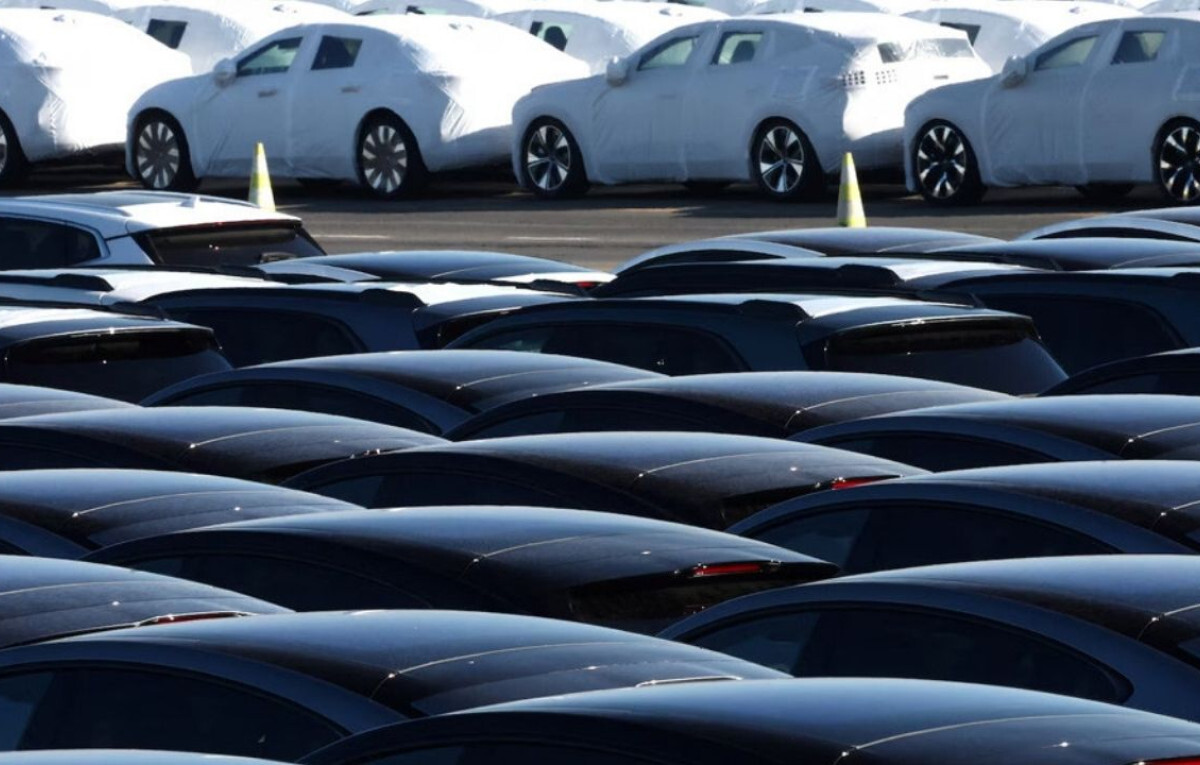
In a landmark shift for one of the world’s most protected automotive sectors, India is reportedly preparing to reduce import duties on European vehicles from a staggering maximum of 110 per cent to just 40 per cent. This decisive move comes as New Delhi and the European Union (EU) edge closer to finalising a comprehensive Free Trade Agreement (FTA), with insiders suggesting an official announcement could be made as early as Tuesday.
According to sources familiar with the high-level negotiations, Prime Minister Narendra Modi’s administration has agreed to an immediate tariff reduction for a specified quota of vehicles imported from the 27-member bloc. This concession is specifically targeted at premium vehicles with an import value exceeding €15,000.
For decades, India’s prohibitive tariff structure has served as a significant barrier for European giants such as Volkswagen, Mercedes-Benz, and BMW. By slashing these duties, the Indian government signals its intent to transition from a protectionist stance toward a more integrated global trade policy, potentially transforming the nation into a primary hub for luxury automotive consumption.
| Current Maximum Tariff | Immediate Proposed Tariff | Long-term Target Tariff | Minimum Vehicle Value |
|---|---|---|---|
| 110% | 40% | 10% | €15,000 |
The strategy is not merely a one-off reduction but part of a structured, multi-year glide path. Sources indicate that while the initial drop to 40 per cent will provide immediate relief to manufacturers, the ultimate goal is to bring duties down to a mere 10 per cent over a decade. This phased approach is designed to give the domestic Indian automotive industry—dominated by players like Tata Motors and Mahindra—sufficient time to adapt to increased competition from sophisticated European engineering.
The timing of this agreement is particularly significant. As global supply chains undergo a “China-plus-one” recalibration, India is eager to present itself as a stable, open alternative for European investment. In exchange for lowering car tariffs, India is expected to seek better access for its service sector professionals and lower barriers for its textile and agricultural exports to the European market.
If ratified, this agreement will mark the most substantial liberalisation of the Indian auto market since the country began inviting foreign investment in the 1990s. Beyond the mathematics of tariffs, it represents a deepening of the strategic partnership between the world’s largest democracy and the world’s largest trading bloc.


Comments