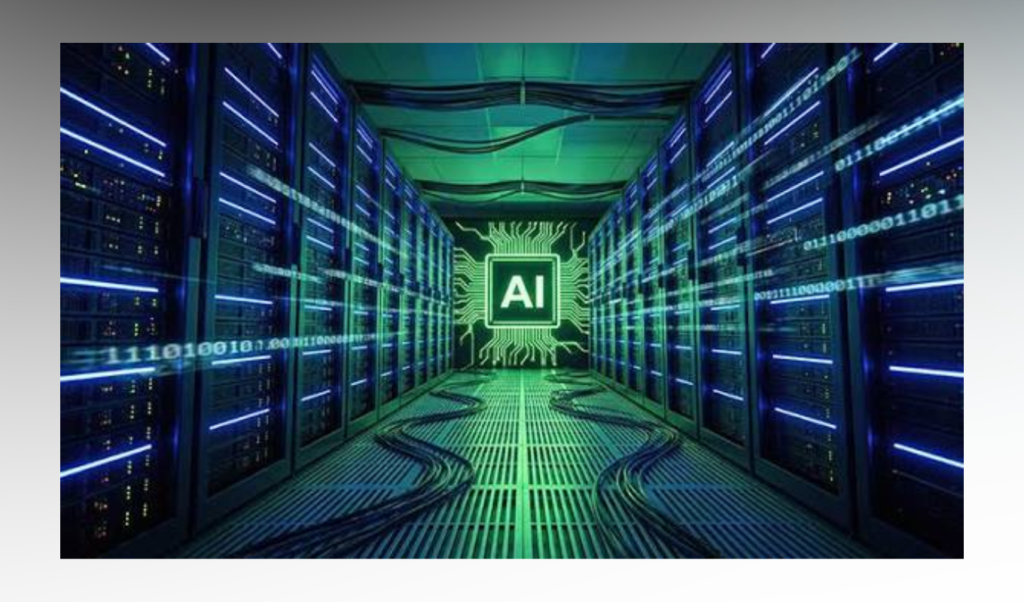
Rising artificial intelligence demands are set to almost triple global data centre electricity consumption by 2030, forcing the international insurance industry to fundamentally overhaul how it evaluates facilities exposed to overburdened power grids, severe climate hazards, and emerging operational threats.
As technological giants race to expand high-performance computing capabilities, facilities are drawing unprecedented amounts of power to train complex machine learning models. “Power availability and energy resilience have become leading concerns as data centre facilities hyperscale,” noted Terence Williams, Head of Commercial Risk for the Asia-Pacific region at Aon Plc, in a statement released in August. Williams highlighted that AI-driven processing could drive a 165% surge in global data centre power consumption over the next six years.
To bypass growing national grid bottlenecks and keep expansion on track, project developers are increasingly integrating on-site power generation, large-scale battery energy storage systems (BESS), microgrids, and hybrid energy networks. However, these localized power solutions carry significant operational hazards. Williams warned that such installations heightened the risk of electrical fires, premature equipment breakdown, and complex maintenance failures. The sheer processing density required for modern AI infrastructure is simultaneously raising site cooling requirements, thermal loads, and the asset values of specialized hardware installed within single facilities.
Expanding Insurance Capacity and Regional Climate Exposure
In response to rising asset valuations and multifaceted site risks, Aon expanded the capacity of its specialized Data Centre Lifecycle Insurance Program from $3.5bn to $5bn. The comprehensive underwriting initiative evaluates site vulnerabilities through every phase of a facility’s existence, spanning preliminary architectural design and civil construction to specialized power generation and ongoing daily operations.
Alongside power infrastructure strain, physical climate exposure is emerging as a critical underwriting consideration across major Asian technology hubs. According to an August report issued by industrial insurer HDI Global SE, natural hazards are increasingly dictating site selection and engineering requirements across the Asia-Pacific region.
Tokyo, a major regional data center hub, faces compound risks from earthquakes, urban flooding, and powerful typhoons capable of generating sustained wind speeds of up to 200 kilometres per hour. Climate projections indicate that severe heat waves and extreme precipitation events in the area will become increasingly frequent and intense.
                  CLIMATE & INFRASTRUCTURE EXPOSURE RISKS
   -------------------------------------------------------------------
   Power Grid Strain:    165% projected power usage increase by 2030
   On-Site Hazards:      Thermal runaway, battery fires, system failure
   Tokyo Exposures:      Earthquakes, 200 km/h typhoon winds, flooding
   Mumbai & Singapore:   >200 days per year above 35°C (2081–2100 model)
   Insurance Capacity:   Aon coverage pool scaled to $5bn per facility
Future climate models cited by HDI Global project that primary hubs such as Mumbai and Singapore could experience more than 200 days per year with temperatures exceeding 35°C between 2081 and 2100. Such elevated ambient temperatures place immense stress on liquid and air cooling infrastructure, raising the probability of server overheating and operational downtime.
Evolving Construction Standards for Secondary Markets
Insurance experts emphasize that standard commercial building codes are no longer sufficient to safeguard specialized data facilities against future climate extremes. To secure coverage, HDI Global recommends that developers integrate specialized engineering safeguards, including emergency roof drainage overflows, raised access flooring, elevated placement of critical transformers and backup generators, localized floor drainage systems, and physical containment barriers designed to limit water ingress and internal fire propagation.
As primary metropolitan markets run out of land and electrical capacity, operators are rapidly expanding into secondary and tertiary cities. Consequently, both Aon and HDI Global anticipate that underwriters will scrutinize regional water availability for cooling, localized power grid stability, structural resilience standards, and emergency response capabilities before granting coverage for new facility developments.