Sunday, 5th April 2026

Khabor Wala Desk
Published: 19th January 2026, 8:31 AM
Iran is set to roll out a fully autonomous national internet, featuring its own social media platforms, search engines, and messaging applications—placing complete control of information and communications firmly in the hands of the state. While access to the global internet will still exist, it will be heavily restricted.
International media outlets, citing the internet-monitoring organisation Filterwatch, report that Tehran is moving to gradually sever its dependence on the global web in response to recent civil unrest.
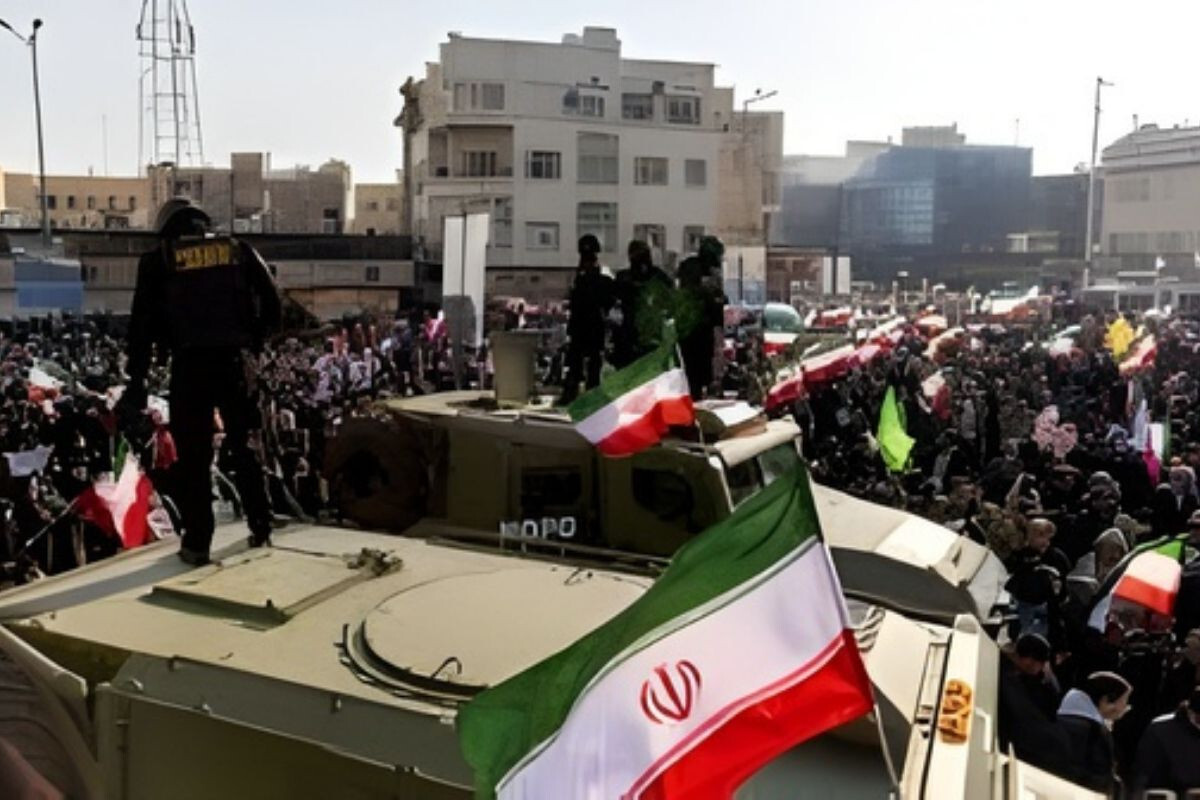
Since late December, Iran has been gripped by widespread protests initially sparked by demands for economic reforms. The demonstrations quickly evolved into broader anti-government sentiment. Authorities accused the United States and Israel of inciting unrest through social media platforms and online messaging.
In an effort to curb the protests, the Iranian government shut down nationwide internet services on 8 January. Protesters who attempted to circumvent the blackout using Starlink satellite connections were also blocked, helping the regime to significantly reduce civil mobilisation.
In light of these events, Iran is preparing to establish a state-controlled, technologically independent internet system. According to Filterwatch, the planned system will include:
| Feature | Description | Access Control |
|---|---|---|
| Search Engine | Government-developed search platform | Fully state-regulated |
| Messaging App | Domestic instant messaging service | Restricted to national network |
| Social Media | Iranian social networking platforms | State-approved content only |
| Streaming Service | Iranian equivalent to Netflix | National content, regulated |
| Global Internet Access | Limited access to international websites | Only for approved or verified users |
The national system is designed to ensure that all online activity, communication, and information flow remain under governmental oversight. Ordinary citizens will primarily have access to the national internet, while unrestricted use of the global internet will require security clearance or official verification.
The blackout earlier this month lasted more than 200 hours, making it one of the world’s longest fully government-imposed internet shutdowns. According to NetBlocks, a global internet observatory, Iran currently lacks any reliable access to the wider internet, underscoring the country’s move towards digital isolation.
Analysts say the national internet system could fundamentally reshape the Iranian digital landscape, enabling the government to monitor content, control public discourse, and limit external influence, while providing a state-sanctioned alternative to popular global platforms.



Comments