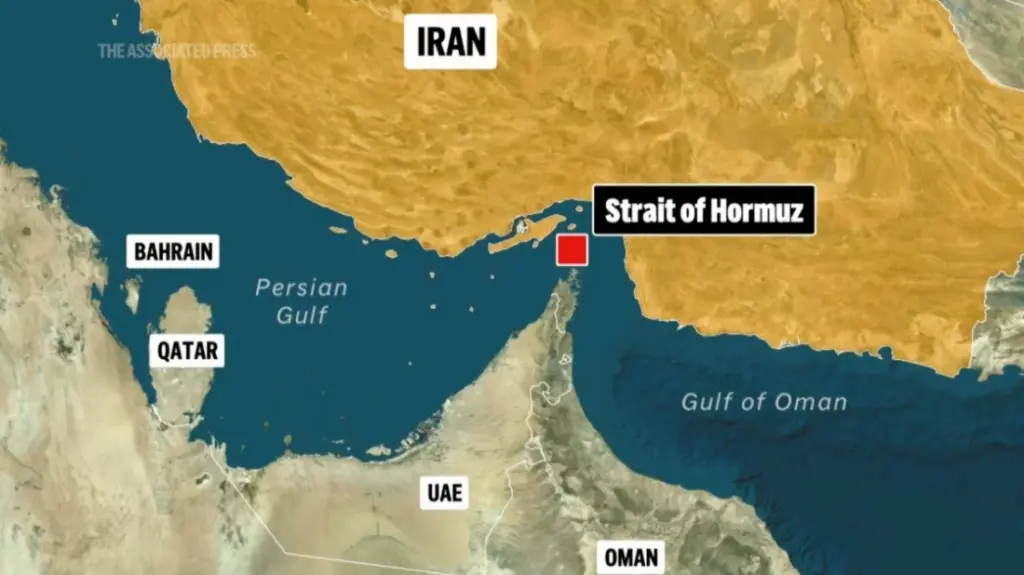
Iran has unveiled a targeted policy to waive maritime transit fees for vessels from selected “friendly” nations navigating the Strait of Hormuz, one of the world’s most strategically significant shipping corridors for global energy flows. The announcement, reported by Russian state media outlet RIA Novosti, is widely viewed as both an economic incentive for allied states and a calculated geopolitical signal amid persistent regional and international tensions.
Iran’s ambassador to Russia, Kazem Jalali, confirmed the policy in a recent interview, stating that Tehran intends to streamline maritime passage for commercial and state-linked shipping belonging to partner countries. While he did not publish a comprehensive list of eligible states, he explicitly identified Russia as a principal beneficiary of the arrangement. His remarks suggest that the initiative is closely aligned with Iran’s efforts to deepen strategic cooperation with key allies under shifting global alliances.
Jalali further noted that Iran’s Ministry of Foreign Affairs is in the process of finalising the operational framework governing the exemption scheme. This includes defining eligibility criteria, administrative procedures, and enforcement mechanisms. According to him, the overarching aim is to guarantee uninterrupted and more cost-effective transit for countries maintaining stable political and economic relations with Tehran.
The timing of the announcement is significant. It comes amid heightened geopolitical friction involving Iran, Western governments, and continued sanctions pressure targeting Tehran’s economy. Analysts interpret the move as a strategic attempt to reinforce partnerships—particularly with Russia—while simultaneously mitigating the financial constraints imposed by Western restrictions.
The Strait of Hormuz remains one of the most critical maritime chokepoints in the world, with a substantial proportion of global seaborne oil exports passing through it daily. Any adjustment to transit costs or regulatory conditions in this corridor is therefore closely monitored by energy markets and maritime security experts.
Overview of Iran’s Proposed Transit Fee Policy
| Category | Details |
|---|---|
| Policy measure | Waiver of transit fees |
| Beneficiaries | Selected “friendly” countries (e.g. Russia) |
| Strategic location | Strait of Hormuz |
| Administrative authority | Iran’s Ministry of Foreign Affairs |
| Primary objective | Strengthen alliances and ease maritime access |
| Geopolitical context | Sanctions pressure and regional tensions |
Security analysts suggest the selective waiver system may further enhance Iran’s leverage over one of the world’s most sensitive maritime passages. By differentiating between allied and non-allied states in terms of cost and access, Tehran is effectively asserting a form of strategic influence over a route that also sees regular monitoring by Western naval forces, particularly those led by the United States.
Washington and its allies have long upheld the principle of freedom of navigation in the region, maintaining a naval presence intended to safeguard shipping lanes and deter disruption. Iran’s latest initiative is likely to add a new layer of complexity to ongoing debates over maritime governance, sovereignty, and security in the Gulf.
As global geopolitical alignments continue to shift, attention will increasingly focus on whether additional states are granted similar exemptions, and how rival powers might respond through diplomatic, economic, or maritime countermeasures.