Senior Israeli officials are reportedly growing increasingly anxious over the ongoing military operations against Iran. With the conflict threatening to destabilise both regional and global economies, some of these officials are quietly exploring potential exit strategies before the situation escalates further.
While discussions about ending the war remain at an early stage, the ultimate decision rests with US President Donald Trump, who has so far remained steadfast in pursuing a complete military victory. In a recent telephone conversation with The Washington Post, a senior Israeli official—speaking anonymously due to the sensitivity of the issue—outlined Israel’s strategic considerations.
President Trump’s approach has fluctuated. Initially, he expressed willingness to negotiate with moderate elements within the Iranian regime. However, he later demanded unconditional surrender, citing the fact that his preferred interlocutors were no longer alive. Israeli Prime Minister Benjamin Netanyahu similarly indicated on Saturday that he wishes to push the campaign to a so-called “moment of truth.”
The likelihood of negotiations has further diminished with the recent announcement of Mojtaba Khamenei as Iran’s new supreme leader. Khamenei, the son of the former top Iranian official killed in a US-Israeli strike on 28 February, is closely aligned with the Islamic Revolutionary Guard Corps and is considered unlikely to engage in diplomatic talks.
Cost escalation is a major concern for Israeli strategists. Iranian missile attacks on Gulf states have driven global oil and gas prices higher, raising fears of a wider economic crisis. Public support for the war in the US has also been limited, adding pressure on decision-makers. “It’s unclear if continuing the fight indefinitely serves our interests,” the Israeli official said. “No one wants to remain on the battlefield without end.”
The official reported that Israel and US airstrikes have nearly achieved their key military objectives, including: neutralising Iran’s remaining nuclear programme, ballistic missile stockpiles, arms manufacturing facilities, and top military, intelligence, and security leadership.
He emphasised, “While regime change remains a goal, it is not the only end point. If our primary objectives are achieved, Israel will have accomplished its mission. Iran may not surrender outright, but it could signal willingness to accept a US-mediated ceasefire.”
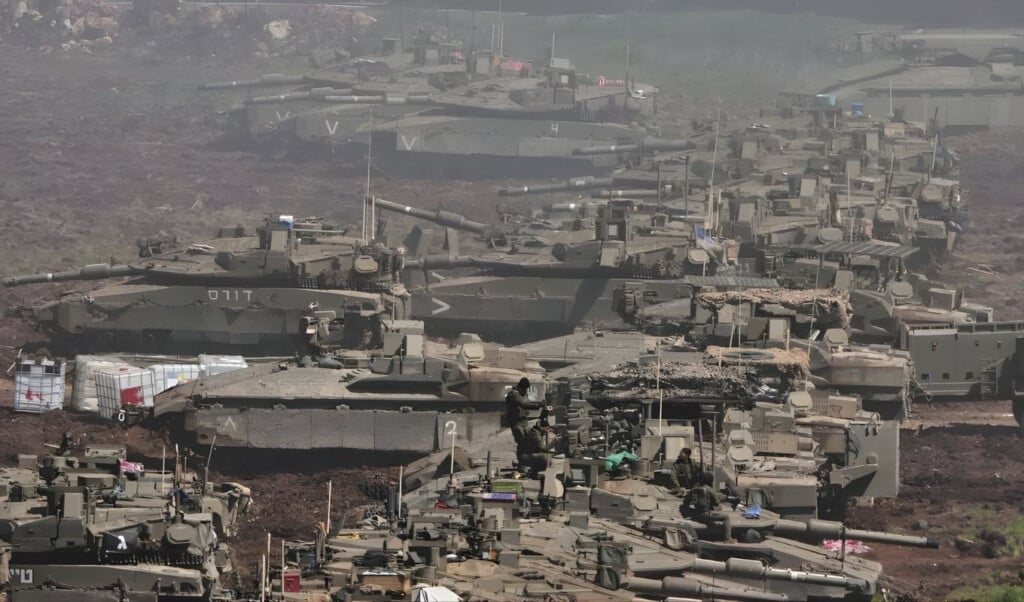
Some Israeli defence planners remain sceptical of Prime Minister Netanyahu’s strategy, particularly regarding prolonged operations in Gaza or Lebanon. They worry that escalating a ground invasion in Lebanon could lead to a quagmire, while also highlighting the risks of alienating US allies.
Key Israeli Strategic Concerns
| Concern | Details | Current Status |
|---|---|---|
| Regional escalation | Iranian missile strikes on Gulf states | Ongoing |
| Economic impact | Rising global oil & gas prices | Significant |
| Leadership change in Iran | Mojtaba Khamenei appointed supreme leader | Recent |
| Ground operations risk | Potential Lebanon invasion vs Gaza | Limited plans |
| US-Israel coordination | Avoiding indefinite entanglement | Active negotiations |
As the conflict continues, questions about its ultimate resolution remain pressing. President Trump has articulated a vision for a “new Iran,” but concrete plans are absent. Observers note that similar uncertainties arose during the Iraq War, and a definitive endgame has yet to materialise.