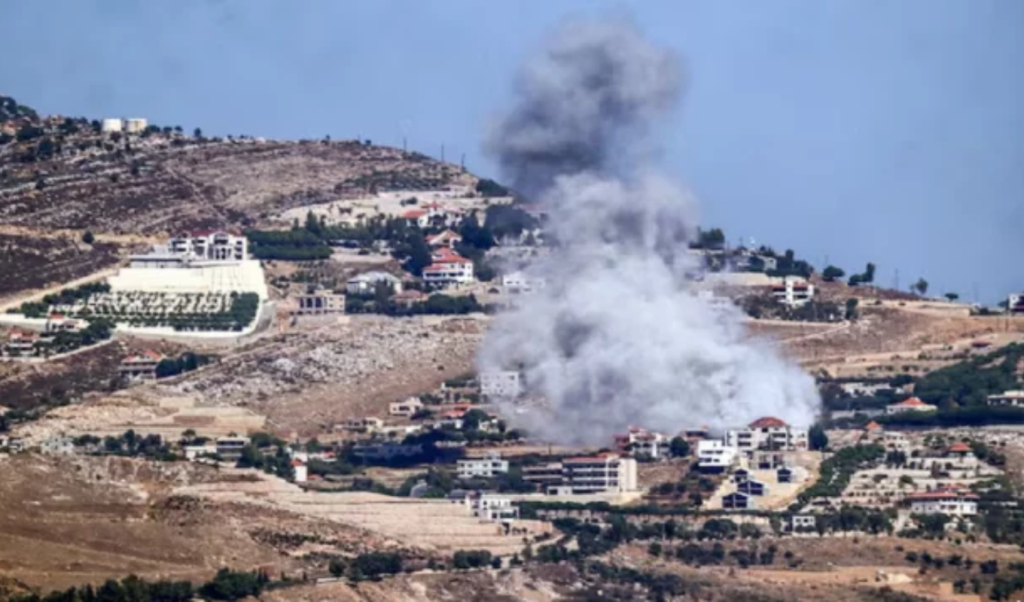
Despite ongoing diplomatic initiatives and recent ceasefire frameworks, intense Israeli bombardment has persisted across Lebanese territories, significantly escalating in scale. The military operations have heavily concentrated on Nabatieh in the southern region, the Bekaa Valley, and various flashpoints along the southern border. A dramatic surge in violence on Friday alone resulted in numerous casualties, pushing the aggregate number of fatalities since the escalation began past a critical threshold. Local emergency infrastructure is currently facing immense strain as the domestic human toll continues to multiply daily.
Revised Ministry Data Outlines Escalating Fatality Rates
In an updated statistical report published on Saturday, the Lebanese Ministry of Public Health disclosed that the comprehensive death toll from Israeli operations has surpassed 4,000 individuals. According to the ministry’s figures, compiled since the intensification of the conflict on 2 March, at least 4,057 people have been killed, while an additional 12,121 individuals have sustained various physical injuries. The state medical registries indicate that the vast majority of these casualties are concentrated among residents living in southern Lebanon and eastern frontier districts.
| Conflict Impact Metric | Updated Statistical Status | Primary Regional Concentration |
| Total Cumulative Fatalities | 4,057 individuals confirmed dead | High concentration in Southern and Eastern Lebanon |
| Total Cumulative Injuries | 12,121 individuals documented | Widespread trauma admissions across regional centers |
| Friday Single-Day Fatalities | 83 individuals killed | Upward revision from initial field estimates |
| Friday Single-Day Injuries | 141 individuals wounded | Critical burden on emergency medical networks |
| Strategic Trade Response | Maritime closure enforced by Iran | Entire vessel traffic halted in the Strait of Hormuz |
The ministry’s latest documentation revealed that single-day casualties from Friday’s aerial assaults were substantially higher than initial field assessments had indicated. The revised and verified data established that exactly 83 people were killed and 141 others were wounded within a single 24-hour window. Lebanese administrative authorities have repeatedly emphasised that civilian populations are bearing the primary burden of the expanding military campaign, with residential areas and public infrastructure suffering extensive collateral damage.
Conversely, the Israel Defense Forces (IDF) have maintained that their operations are precisely calibrated. The Israeli military command asserts that its aerial and ground campaigns are strictly targeting the active military infrastructure, command hubs, and tactical positions utilized by the Hezbollah paramilitary organisation.
Deepening Humanitarian Emergency in Medical Sector
The rapid influx of over 16,000 total casualties has precipitated a severe humanitarian crisis across Lebanon’s administrative departments. The abrupt escalation in complex trauma injuries has completely overwhelmed local hospitals, intensive care units, and front-line emergency medical services. Healthcare facilities are facing acute deficits in critical medical supplies, surgical equipment, and basic pharmaceuticals, compounded by structural disruptions to regional power grids and logistics networks.
Emergency responder networks and civil defence units have reported extreme difficulties in conducting search-and-rescue operations amid continuous airstrikes. The combination of targeted infrastructure damage and high casualty volumes has prompted warnings from international relief organizations regarding the potential long-term collapse of local social safety nets.
Iran Enforces Strategic Blockade of Hormuz Strait
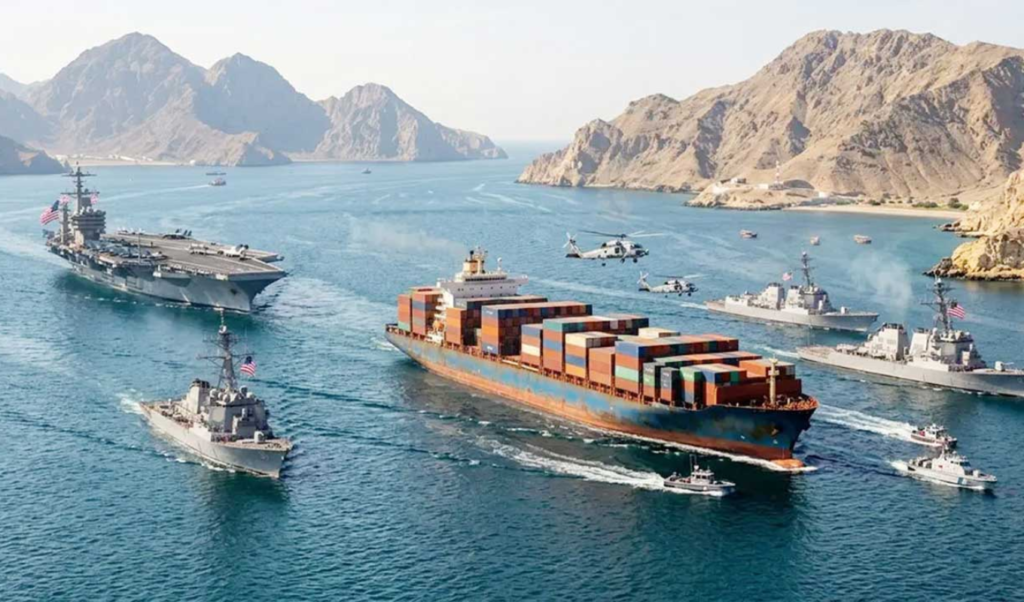
In a direct geopolitical response to the sustained Israeli bombardment of Lebanon, the Islamic Republic of Iran has formally closed the Strait of Hormuz to international shipping. The decisive maritime restriction was officially declared by the Khatam al-Anbiya Central Headquarters, which serves as Iran’s top joint military command structure coordinating both the regular armed forces and the Islamic Revolutionary Guard Corps (IRGC).
In an official communiqué broadcast via state media channels, the Iranian central military command asserted that the continued Israeli operations in Lebanon constitute a flagrant violation of existing bilateral agreements between Tehran and Washington. The statement specified that the closure of the highly critical maritime chokepoint was triggered by a clear breach of faith regarding the non-implementation of specific clauses within the recently signed end-of-war Memorandum of Understanding.
The Iranian military authorities characterized the absolute suspension of vessel traffic through the Strait of Hormuz as an initial retaliatory measure against the perceived breach of diplomatic commitments by adversarial forces. The statement explicitly warned that further strategic operations would be designed and executed to compel the opposing factions to adhere strictly to their institutional obligations should the military campaign in southern Lebanon continue. The sudden maritime blockade introduces immense volatility into global energy transport routes, as the strait serves as the primary gateway for a significant portion of worldwide seaborne oil trade.