Pakistan’s recent struggles on the cricket field are beginning to show their impact beyond match results, with the value of its domestic international broadcasting rights falling sharply in the latest tender.
The Pakistan Cricket Board (PCB) had set a reserve price of 600 million Pakistani rupees for the broadcasting rights to its upcoming home international fixtures. However, the rights were eventually sold for just 350 million rupees, leaving the board 250 million rupees below its initial valuation.
The rights have been secured by Pakistan Television (PTV), the state-owned broadcaster. According to reports by The Express Tribune and Express Urdu, PTV was the only organisation to express interest in the tender. With no competing bidders, the PCB was unable to generate the bidding pressure that might have pushed the final value closer to its reserve price.
The agreement covers 25 matches in total: five Tests, 14 one-day internationals and six Twenty20 internationals. The package therefore spans all three formats and represents a substantial portion of Pakistan’s home international programme.
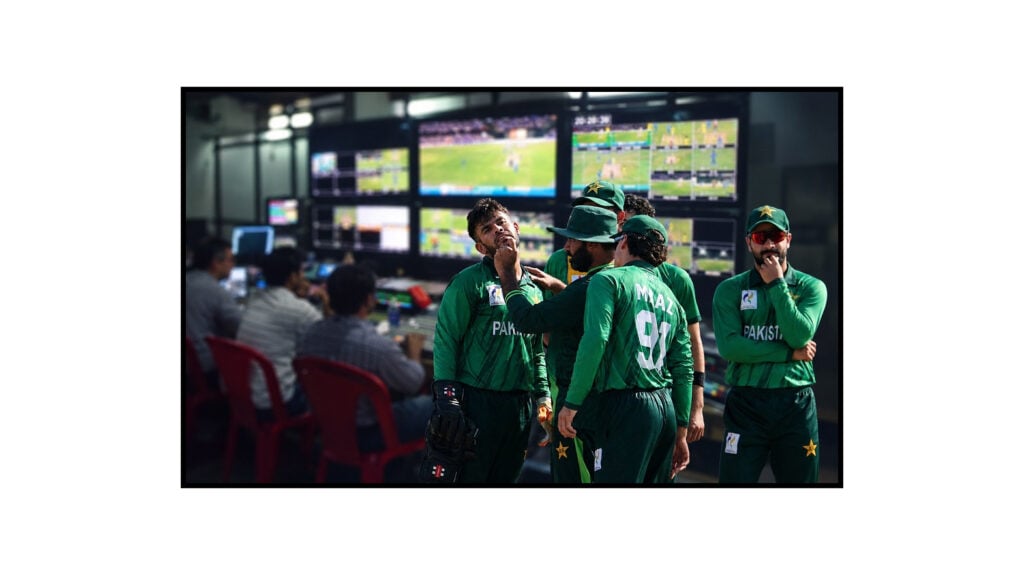
Pakistan’s recent form is being viewed as one of the factors behind the lack of commercial interest. Across their last 15 matches in all three formats, the team has won only five. Inconsistent results can affect more than a side’s standing in international cricket; they can also influence audience interest and, in turn, the commercial prospects of broadcasters.
The Express Tribune reported that matches involving Ireland and Sri Lanka have generated relatively limited interest among viewers. For broadcasters, expected audience numbers are a major consideration when deciding how much to invest in sports rights. Lower audience interest can reduce the potential return from advertising and other commercial opportunities associated with live coverage.
The tender was also affected by financial uncertainty among broadcasters. Three broadcasting companies reportedly owe significant sums to the PCB. Although they had expressed an intention to participate in the tender, they ultimately did not submit bids. A broadcaster that had previously secured a significant share of Pakistan’s cricket rights also chose not to show interest this time.
The latest decline is part of a wider pattern. Pakistan’s broadcasting rights have previously been sold well below the reserve price set by the cricket board. According to Dawn, the PCB had fixed a reserve price of 3.2 billion Pakistani rupees in 2024, but the rights were eventually sold for 1.72 billion rupees.
The contrast between the reserve price and the final value has therefore become increasingly noticeable. In the latest deal, the 350 million-rupee sale represents a reduction of around 42 per cent from the PCB’s 600 million-rupee reserve price.
Broadcasting rights are a significant commercial asset for international cricket boards, and their value is closely linked to the popularity of teams, the quality of fixtures and the likelihood of attracting large audiences. When a side is consistently competitive and its matches command strong public interest, broadcasters are generally more willing to compete for the rights.
Pakistan’s latest tender suggests that the board is currently facing the opposite situation. Poor results, limited interest in some fixtures and financial concerns among potential broadcasters have combined to weaken competition for its media rights.
For the PCB, restoring the commercial appeal of its home fixtures will depend partly on rebuilding interest in the national team. Consistent performances and more competitive matches could help attract viewers again, while stronger audience demand would give broadcasters greater incentive to invest in future rights packages.