Khaborwala Online Desk
Published: 26 Mar 2026, 11:01 am
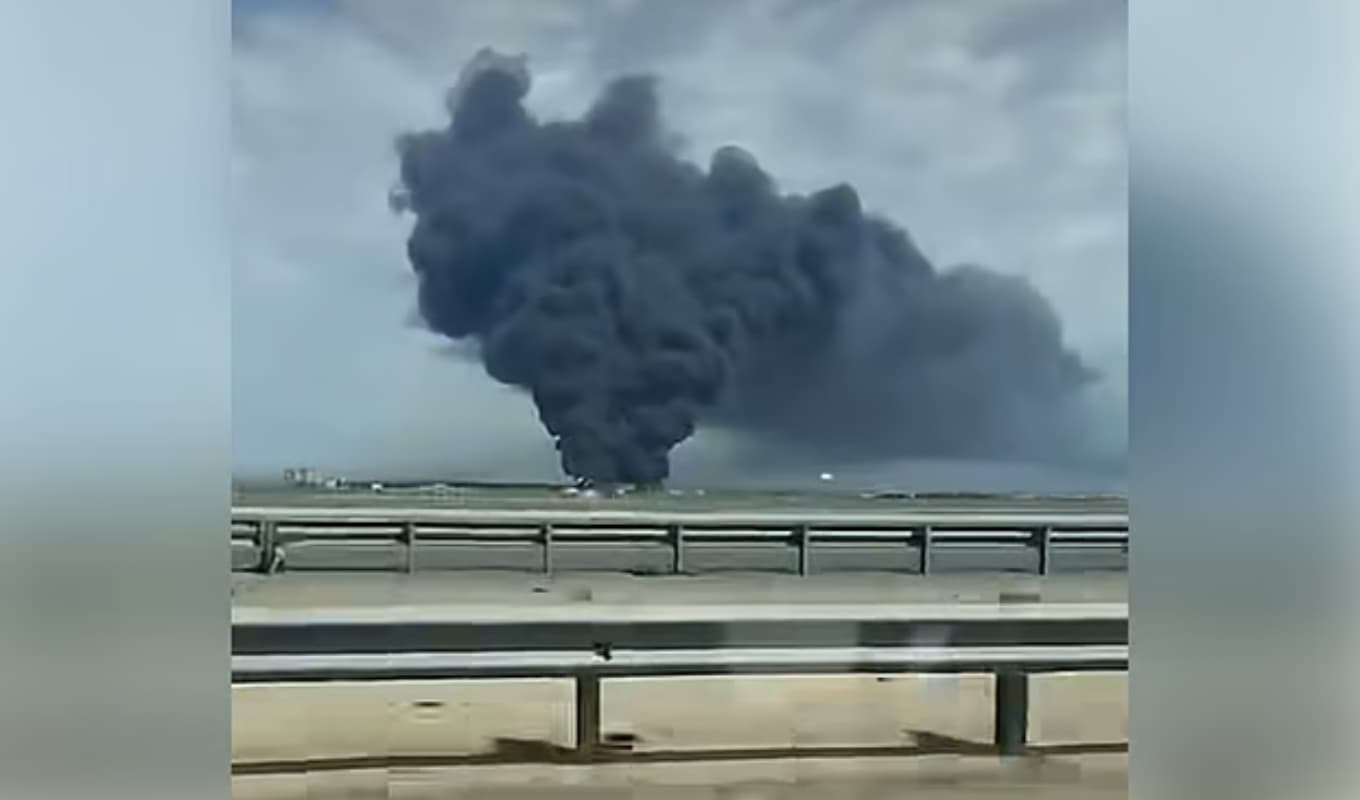
A protracted blaze continues to engulf a fuel storage facility at Kuwait International Airport more than 24 hours after it was struck by Iranian-launched drones, highlighting the vulnerability of critical infrastructure even to relatively small unmanned aerial vehicles (UAVs). Kuwaiti authorities were still battling the fire late on Thursday evening, signalling the severe impact such attacks can have on vital transport and energy hubs.
Analysts warn that even a limited number of drones bypassing air-defence networks can inflict disproportionate damage, particularly in the Gulf’s densely packed energy and aviation sectors. The latest strike is part of a broader pattern of Iranian aggression across the region, reflecting Tehran’s ongoing campaign against Gulf Cooperation Council (GCC) states amid the escalating 2026 regional conflict, which also involves the United States and Israel.
Over the past week, multiple Gulf states have reported Iranian military actions targeting civilian and strategic sites:
These incidents reflect a surge in Tehran’s use of UAVs and missiles against GCC nations, striking airports, refineries, military bases, and residential districts. While air-defence systems in Kuwait, Saudi Arabia, and the UAE have successfully neutralised many threats, the sheer volume of attempted incursions underscores the severity and persistence of the conflict.
| Target Country | Recent Strikes / Interceptions | Reported Damage | Casualties |
|---|---|---|---|
| Kuwait | Drones hit airport fuel tank; multiple interceptions | Ongoing fire at airport site | No reported civilian deaths in latest strike; prior attacks caused injuries and infrastructure damage |
| Bahrain | Industrial site fire extinguished | Site damage | No casualties reported |
| UAE | Multiple drones and missiles intercepted | Debris-related infrastructure damage | Civilian injuries reported in earlier waves |
| Saudi Arabia | More than 10 drones intercepted | No major hits on oil facilities | No confirmed casualties in recent update |
Gulf leaders have condemned the attacks and are exploring defensive measures, with some states weighing coordinated military responses to counter Iran’s escalation. The strikes have tested regional air-defence systems and heightened concerns over the security of aviation, energy, and military installations across the Arabian Peninsula.
International efforts at mediation have thus far failed to break the cycle of retaliation, leaving Gulf capitals on high alert as the conflict enters a perilous new phase. Analysts warn that unless diplomatic solutions are urgently pursued, the region risks further escalation, with potential consequences for global energy markets and civilian safety.

> Call for Popular Resistance Against Bangladesh’s Enemies
> Bangladesh’s Foreign Debt Rises to $113 Billion
> Colourful Parade Marks Independence Day Celebrations
> Russia’s Support for Iran: Drones, Aid and Intelligence
> Gulf Crisis Escalates Following Iranian Drone Strikes
> President and Prime Minister Honour National Heroes
> Road Deaths Spike During Eid Holiday: Discrepancies Highlighted
> Four Dead, 41 Missing After Bus Sinks at Daulatdia Ferry Terminal
> Nabin Fashion Branches Remain Open Amid Controversy
> US Submits 15‑Point Peace Proposal to Iran
> Shepherd Secures $42M to Transform Commercial Insurance
> Bengaluru Franchise Sold for Record ₹21,850 Crore


Western intelligence agencies have reported that the Russian Federation is providing significant ass...
In celebration of its 25th anniversary, Allianz Malaysia Berhad has launched a year-long campaign gr...

Liberty Specialty Markets has broadened its presence in Asia with the launch of its fine art and spe...

Singapore’s domestic general insurance sector recorded notable growth in 2025, with gross written pr...
A major power facility in Israel has reportedly been struck in a missile attack, with indications su...

In a remarkable turn of events that underscores the unpredictable journeys within modern sport, Arya...

Brazil head coach Carlo Ancelotti has delivered a firm and candid response to mounting criticism ove...
Tensions in the Middle East have escalated sharply as hostilities continue between Israel, its ally...

As the 2026 FIFA World Cup approaches, Group G sees Belgium, Egypt, New Zealand, and Iran competing...

As the World Cup captivates global audiences, football fans are keeping a running tally of two of th...

On 25 March 2026, a catastrophic fire destroyed a single-family residence in Benken, St. Gallen, Swi...

AI-driven commercial insurance platform Shepherd has successfully raised $42 million (approximately...


Availabe for iphone & ipads

Available in google play
 বাংলা
বাংলা