A sharp escalation in suspected measles cases across Bangladesh has claimed the lives of seven more children in a 24-hour window, underscoring growing concerns over childhood public health vulnerabilities.
According to official data released by the Directorate General of Health Services (DGHS) during its regular health bulletin on Saturday, 12 September, seven deaths attributed to measles-like symptoms were registered between 8:00 AM on Friday and 8:00 AM on Saturday. Over the same period, hospital admissions surged, with 731 new patients presenting severe symptoms consistent with the viral infection.
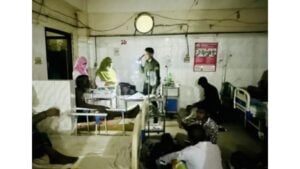
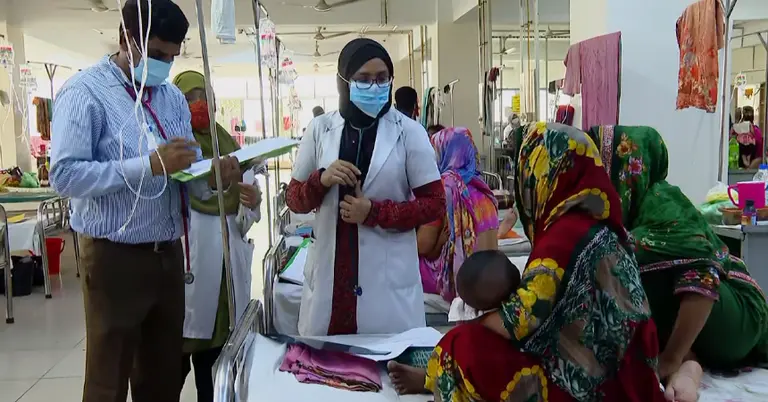
The latest fatalities highlight an ongoing wave of hospitalisations that has strained healthcare facilities nationwide. DGHS statistics reveal that since the beginning of the calendar year, a cumulative total of 150,202 patients exhibiting measles symptoms have been admitted to various hospitals across the country. Medical teams have successfully treated and discharged 144,485 of these individuals, though regional clinics continue to manage a steady influx of cases requiring inpatient care.
Longer-term surveillance tracking back to 15 March paints a sobering picture of the outbreak’s scope. Over this six-month period, health authorities recorded 170,638 suspected measles cases nationwide. Rigorous laboratory testing and clinical evaluations have confirmed at least 20,000 of these cases to be definitive measles infections.
Measles is a highly contagious airborne disease caused by a virus in the paramyxovirus family. It spreads easily through coughing, sneezing, and close personal contact. While preventable through effective vaccination schemes, the virus can lead to severe health complications in young children, including severe diarrhoea, pneumonia, encephalitis, and fatal respiratory distress.
Public health officials emphasize that maintaining robust routine immunization coverage—specifically the measles-rubella (MR) vaccine—remains the primary defence against such outbreaks. Community health teams are currently working to strengthen local surveillance, ensure prompt clinical management of symptomatic children, and bridge immunization gaps to halt further transmission.