Published: 24 Feb 2025, 07:57 am

Fashion is one of the largest industries globally, contributing significantly to economies and providing millions of jobs. However, it also has a dark side — one that is notorious for its environmental impact. The industry is responsible for a staggering amount of pollution, from the production of textiles to the massive waste produced by fast fashion. As the world becomes more environmentally conscious, consumers and designers alike are beginning to demand change. Sustainability is no longer just a buzzword but a movement that is reshaping the future of fashion. What was once associated with mass-produced, disposable items is now being redefined as an emblem of luxury, quality, and timelessness.
In this article, we will explore how sustainability is transforming the world of luxury fashion and why it is becoming the new benchmark of high-end design, consumer choice, and industry standards.
Sustainable fashion, also known as eco-fashion, refers to clothing, shoes, and accessories that are designed, produced, and consumed with minimal environmental impact. It emphasizes practices like ethical sourcing, reducing carbon footprints, using organic materials, and employing fair labor standards. The growth of the sustainable fashion movement has been driven by a number of factors:
Environmental Impact Awareness: The fashion industry is responsible for about 10% of global carbon emissions, more than all international flights and maritime shipping combined. With increasing awareness of climate change, consumers are more aware of the environmental impact of their clothing choices.
Ethical Consumption: A shift in consumer values is taking place, with more people seeking brands that prioritize ethical labor practices, transparency, and social responsibility. The younger generation, in particular, is vocal about the importance of aligning with brands that reflect their values.
Transparency and Traceability: Consumers are now demanding more transparency from fashion brands. They want to know where and how their clothing is made, who made it, and what materials were used. Brands that fail to provide this transparency are increasingly being left behind.
Innovative Technology and Materials: Advances in technology are allowing designers and manufacturers to create clothing with less impact on the planet. Innovations such as biodegradable fabrics, plant-based dyes, and waterless dyeing techniques are paving the way for a more sustainable fashion industry.
Historically, luxury fashion was synonymous with exclusivity, opulence, and high consumption. Luxury brands focused on providing top-tier products, often using high-quality but resource-intensive materials. However, with the growing demand for sustainability, the definition of luxury is evolving. Today, luxury no longer just signifies wealth; it increasingly reflects values such as sustainability, craftsmanship, and responsibility.
Luxury fashion has always been about the highest level of quality, but sustainability is now pushing the industry towards even greater emphasis on durability and longevity. The trend is shifting from disposable, mass-produced items to meticulously crafted pieces designed to last. Consumers are no longer interested in buying a new collection of clothes every season; they are seeking timeless pieces that they can wear year after year.
Sustainable luxury is all about craftsmanship, the use of superior materials, and thoughtful design that leads to garments with extended lifecycles. Consumers are willing to invest in fewer, but higher-quality items that will last for generations. This shift away from the fast-paced world of fashion to a more mindful, slow-fashion model is redefining what it means to experience luxury.
One of the most significant changes in the luxury fashion industry is the growing use of sustainable materials. Leading brands are embracing eco-friendly materials such as organic cotton, hemp, Tencel, and recycled fabrics. For example, Stella McCartney, one of the pioneers of sustainable luxury fashion, has long championed the use of sustainable materials like organic cotton, wool, and biodegradable polyesters. The use of vegan leather and alternatives to fur is also becoming more mainstream in high-end collections.
Luxury brands are also adopting innovative materials like lab-grown leather, mushroom-based fabrics (mycelium), and recycled ocean plastics. These materials are not only more sustainable but also have the potential to offer the same level of quality and luxury as traditional, resource-heavy materials like silk or leather.
Circular fashion is another area where sustainability is redefining luxury. Rather than following the linear model of "take, make, dispose," circular fashion emphasizes a closed-loop system where garments are reused, repaired, or recycled. Luxury brands are now taking the initiative to offer repair services for their items and promote the longevity of their products.
Some brands are even introducing programs that allow consumers to return their used items for recycling or repurposing. For example, Gucci has launched a Gucci Off The Grid collection, which features products made from recycled and sustainable materials, with a commitment to reducing waste. This model not only reduces the environmental impact but also aligns with the growing consumer demand for sustainable consumption.
Sustainability in luxury fashion is also about ensuring ethical production practices. In the past, some luxury brands have been criticized for the exploitation of workers in developing countries. However, as consumer awareness grows, there is increasing pressure on luxury brands to be transparent about their supply chains and ensure that workers are treated fairly.
Many luxury fashion houses are now embracing fair labor practices and working to ensure that workers receive fair wages, good working conditions, and access to healthcare. Ethical luxury is no longer just about the materials used but also about the people involved in the production process.
Several luxury fashion brands have already committed to sustainable practices and are paving the way for a greener future in fashion:
As awareness about environmental and social issues grows, consumers are increasingly holding brands accountable for their actions. In a survey by McKinsey & Company, nearly 70% of respondents said they were willing to pay more for sustainable products. As such, luxury fashion brands are under immense pressure to incorporate sustainability into their operations. Consumers are seeking transparency, ethical practices, and a clear commitment to sustainability when it comes to luxury goods.
Young consumers, in particular, are driving this change. Millennials and Gen Z are pushing for fashion brands to do better and are more likely to make purchasing decisions based on environmental and ethical considerations. They are more attuned to the concept of "conscious consumerism" and demand that brands not only deliver high-quality products but also show a deep commitment to social and environmental responsibility.
The future of fashion is undeniably intertwined with sustainability. As the fashion industry continues to evolve, the luxury sector is leading the way in redefining what luxury means in the 21st century. Luxury is no longer about excess and waste; it is about quality, longevity, craftsmanship, and ethical responsibility. Sustainability is not just a trend but a core value that is changing the way consumers view fashion.
In 2025 and beyond, sustainable luxury fashion will continue to thrive, with brands and consumers alike embracing practices that minimize environmental impact and promote social responsibility. As the industry transforms, it will ultimately create a more equitable, conscious, and eco-friendly future for fashion, where luxury is defined not by how much is consumed, but by how well it is made and how long it lasts.

> Fire Breaks Out Aboard Moored Luxury Launch
> Madaripur Hunger Strike Over Alleged Marriage Dispute
> Legal Notice Demands Disclosure of Bribery Allegation Names
> Iran Warns of Costly War Against US Ground Forces
> UAE Prepares Military Role in Hormuz Strait Push
> Seven Arrested Over Robbery Plot in Narayanganj
> Former Child Star Simrin Lubaba Marries Spiritual Transformation
> Dhaka Raid Nets Liquor Worth Tk 70 Lakh in Kafrul
> Chattogram Court Hands Nine Life Sentences
> Father’s Poison Attack Leaves Two Sons Critical, Alive
> Woman Dies Waiting For Doctor During Lunch Break
> Dhaka Launches Week-Long Drive Against Street Encroachments

Agrabad, now widely regarded as the commercial epicentre of Chittagong, traces its origins back to 1...

Many people fall asleep while scrolling on their mobile phones and immediately pick them up again up...
During the holy month of Ramadan, the fast from dawn until sunset places considerable demands upon t...
For decades, India has struggled silently with a widespread financial scandal: insurance mis-selling...
After repeated postponements, uncertainties stemming from the national election, and differing opini...

Abdominal bloating, often described as a feeling of tightness, fullness or visible swelling of the a...
In a remarkable display of academic excellence, the Ideal Residential Model School in Chirirbandar,...
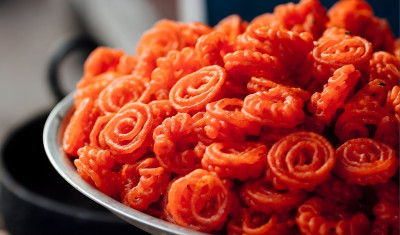
During Ramadan, the sight of steaming, golden jalebi on the iftar table can be irresistible. Soaked...

In the 1990s, opportunities for higher education in Bangladesh were extremely limited. Only a handfu...
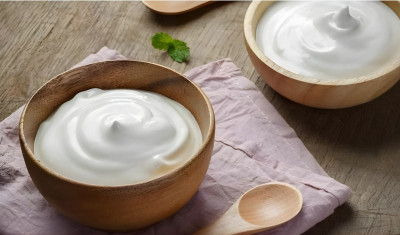
During Ramadan, yogurt is a favourite addition to both Iftar and Suhoor meals. Light, easily digesti...

The Ministry of Education has officially released the revised holiday calendar and academic schedule...
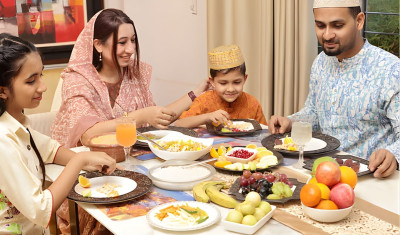
As the holy month of Ramadan approaches, maintaining a balanced diet becomes crucial for those obser...


Availabe for iphone & ipads

Available in google play
 বাংলা
বাংলা