Sunday, 5th April 2026

Khabor Wala Desk
Published: 18th February 2026, 4:55 AM
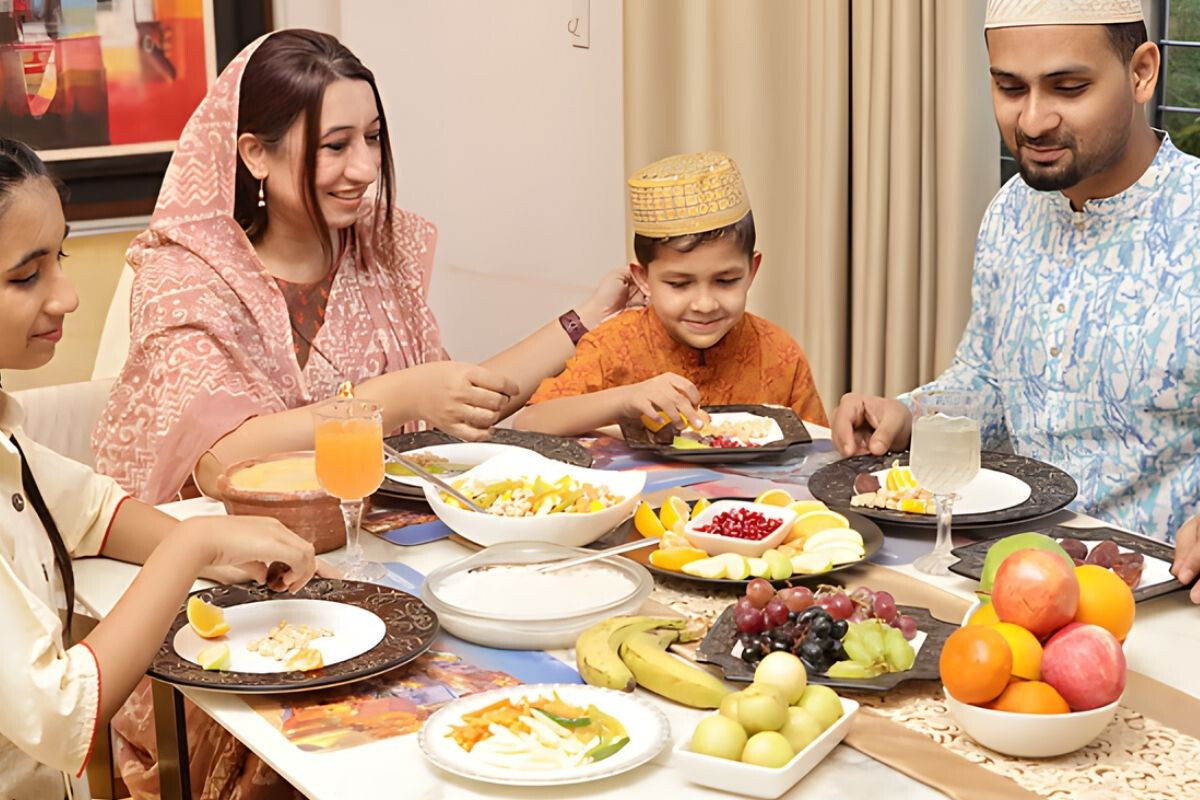
As the holy month of Ramadan approaches, maintaining a balanced diet becomes crucial for those observing the fast. The weather at this time of year can be unpredictable—neither too hot nor too cold—and fluctuations in temperature can affect immunity. Coupled with long hours without food or water, making informed dietary choices is essential to preserve health and ensure all fasts are observed safely.
One of the most common dietary pitfalls during Ramadan is the consumption of fried snacks. While popular as Bengali breakfast items, fried foods gain even more appeal during Iftar. However, eating fried items regularly, especially in warm weather, can have serious health consequences.
Fried foods are often high in saturated and trans fats, contributing to heart disease, obesity, type 2 diabetes, and high blood pressure. Many snacks also contain added sugar, salt, and artificial colours, which may elevate blood sugar, increase blood pressure, and even raise the risk of cancer. Additionally, heavy fried foods can cause indigestion and heartburn, particularly after long hours of fasting when the body is dehydrated.
Iftar should focus on easily digestible, light meals. Starting with a date is traditional and beneficial, as it provides quick energy. Drinking water gradually, and including beverages such as coconut water, lemon water, or seasonal fruit juices, helps restore hydration. Adding chia seeds, flaxseed, or psyllium husk can further aid digestion.
Instead of fried snacks or roasted chickpeas, sprouted chickpeas mixed with cucumber, tomato, lemon, and a little raw garlic make a nutritious alternative. Protein-rich meals such as lightly spiced chicken halim with lentils, or soups combining seasonal vegetables and lean meats, are ideal. Dairy-based options like yoghurt with oats, red flattened rice, or barley can be enjoyed as desserts or snacks, optionally blended with seasonal fruits for added vitamins.
Many people skip dinner and rely solely on Suhoor, which is not recommended. Suhoor should provide roughly the same energy as a regular lunch, consisting of foods that digest slowly and provide sustained energy. Complex carbohydrates, proteins, and vegetables form the cornerstone of a balanced Suhoor.
It is a common misconception that overeating at Suhoor will prevent hunger throughout the day. In reality, food passes from the stomach to the intestines within four to five hours. Overeating can be harmful, while moderate portions maintain comfort and energy.
| Portion | Recommended Food |
|---|---|
| 50% | Mixed vegetables (cooked or raw) |
| 25% | Carbohydrates (whole-wheat bread, brown rice) |
| 25% | Protein (fish, chicken, eggs, or legumes) |
| Beverage | 1 glass of warm milk; optional oats or red flattened rice |
Including a glass of warm milk helps with hydration and provides slow-release energy. Blending milk with oats, red flattened rice, barley, or dates makes a nourishing smoothie. Consuming plain yoghurt after meals is also beneficial, as it supports cell repair and digestion.
Avoid fried, sugary, or heavily spiced foods.
Hydrate gradually and consistently.
Focus on easily digestible, nutrient-dense foods.
Balance Suhoor meals to sustain energy throughout the day.
Portion your plate wisely: half vegetables, one-quarter carbohydrates, one-quarter protein.
By following these guidelines, those observing Ramadan can maintain good health, prevent digestive issues, and complete their fasts safely and comfortably.




Comments