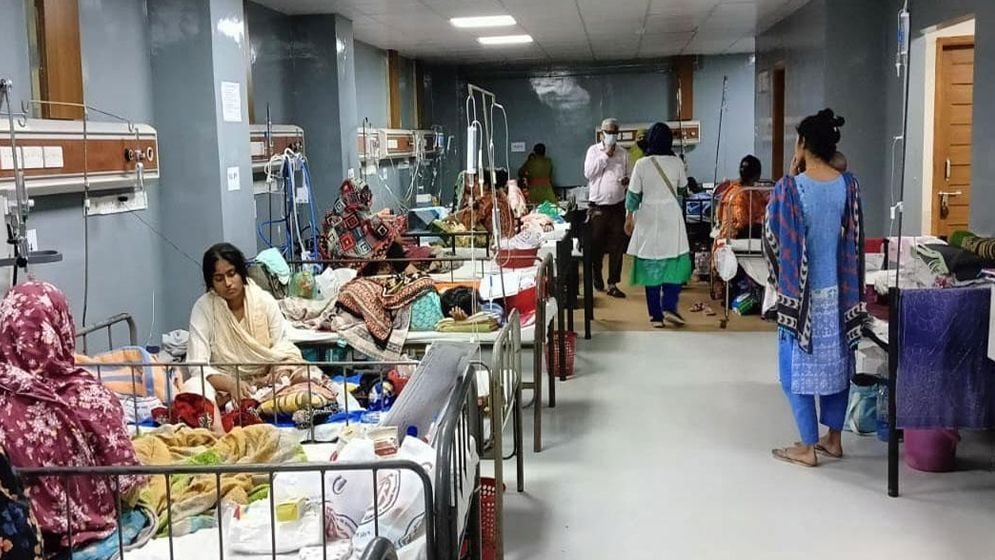
Three more children have died with symptoms consistent with measles during the past 24 hours, according to the latest daily surveillance report released by the Directorate General of Health Services (DGHS) on Friday, 10 July. The latest fatalities have pushed the cumulative number of deaths linked to confirmed measles cases and suspected measles symptoms to 750 since 15 March, highlighting the continued severity of the country’s ongoing outbreak.
The DGHS said that while three children died after developing symptoms associated with measles during the reporting period, no deaths from laboratory-confirmed measles were recorded over the same 24-hour period. Health officials continue to distinguish between clinically suspected cases and infections confirmed through laboratory testing as surveillance and case verification remain under way.
The daily report also recorded a fresh rise in infections across the country. During the past 24 hours, 128 new laboratory-confirmed measles cases were identified, while another 901 people developed symptoms consistent with the disease. These figures indicate that transmission remains active in many parts of the country despite continued monitoring by health authorities.
Since 15 March, a total of 109,899 people have developed symptoms associated with measles, according to official data. The large number of suspected infections reflects the significant burden the outbreak has placed on the country’s healthcare system, with hospitals and medical facilities continuing to monitor and treat affected patients, particularly young children who are among the most vulnerable to severe complications.
Measles is a highly contagious viral disease that spreads primarily through respiratory droplets when an infected person coughs or sneezes. Children, especially those who have not been fully immunised, face the greatest risk of developing serious complications, including pneumonia, severe dehydration and inflammation of the brain. In severe cases, the disease can be fatal.
Public health experts have repeatedly stressed that vaccination remains the most effective protection against measles. They also advise parents and caregivers to seek immediate medical attention if children develop symptoms such as a high fever, skin rash, persistent cough, a runny nose or red, watery eyes, as early diagnosis and supportive treatment can help reduce the risk of serious complications.
The Directorate General of Health Services continues to monitor the situation through its nationwide surveillance system and publishes regular updates on confirmed infections, suspected cases and fatalities as the outbreak evolves. Health authorities are urging the public to remain vigilant, follow medical advice and ensure that eligible children receive routine immunisation to help limit further transmission of the disease.