Khaborwala Online Desk
Published: 17 Dec 2025, 05:46 pm
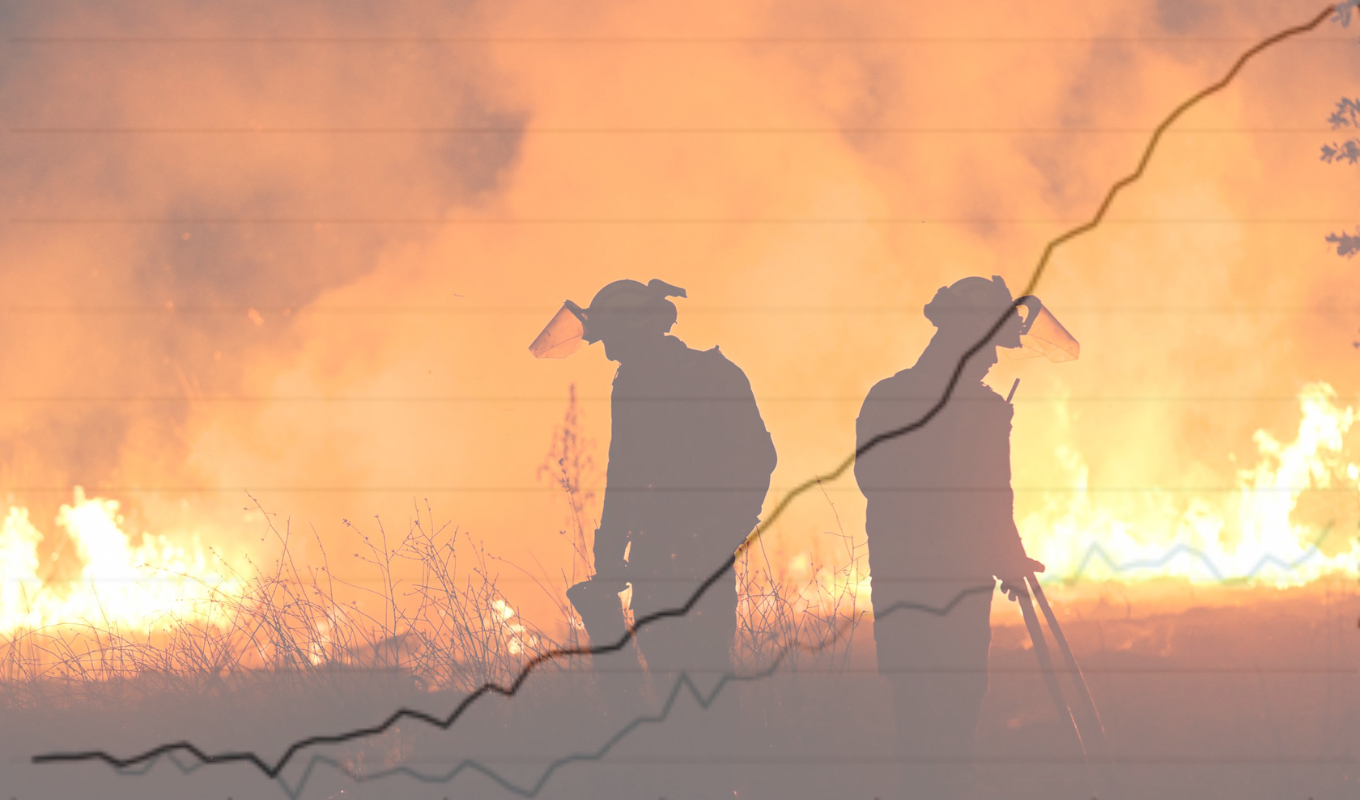
Global insured losses from natural catastrophes have once again crossed the US$100 billion threshold, marking the sixth consecutive year this milestone has been exceeded, according to the latest assessment by Swiss Re. The findings underline the growing financial strain placed on insurers worldwide, with the United States emerging as the overwhelming driver of losses amid a year marked by destructive wildfires, powerful storms and mounting climate-related risks.
In total, global insured catastrophe losses reached US$107 billion, equivalent to roughly US$161 billion. While this figure represents a 24 per cent decline compared with 2024’s exceptionally high total of US$141 billion, it remains only slightly below the ten-year average, highlighting the persistence of elevated risk levels. Swiss Re notes that although the overall total has eased, the underlying exposure continues to intensify due to economic and demographic factors.
The United States accounted for approximately 83 per cent of insured losses, or around US$89 billion. Severe thunderstorms and widespread wildfires dominated the first half of the year, with the January wildfires in the Los Angeles region proving particularly costly. Notably, 2025 has set a new record for insured wildfire losses, which surpassed US$40 billion, reflecting both the growing intensity of fires and the increasing value of assets in exposed areas.
Severe convective storms also remained a major concern. For the third consecutive year, global insured losses from this peril exceeded US$50 billion. Swiss Re’s head of catastrophe perils, Balz Grollimund, warned that insurers must reassess how they evaluate storm-related risks. He emphasised that urban expansion into hazard-prone regions, higher construction and repair costs, rising property values and ageing infrastructure have transformed these storms into a core threat for the insurance industry. He further noted that while individual storm events may appear manageable, their cumulative impact can be financially significant.
Beyond the US, Hurricane Melissa, which struck Jamaica in late October, is estimated to have caused losses of around US$2.5 billion. In contrast, the Atlantic hurricane season overall was relatively benign, as no major hurricanes made landfall in the United States for the first time in a decade, helping to limit broader losses.
From an economic perspective, global losses from natural catastrophes totalled approximately US$220 billion, down sharply from US$327 billion last year and 17 per cent below the ten-year average. Despite this improvement, Swiss Re cautions that long-term trends, including climate volatility and continued urbanisation, suggest elevated catastrophe losses are likely to remain a defining feature of the global insurance landscape.

> In Memory of Ustad Bade Ghulam Ali Khan
> Motorcyclist Killed in Bus Collision
> Damage to 33,000 homes in Tehran following US–Israel strikes
> Measles Surge Overwhelms Vaccination Centres
> Sirajganj Fuel Crackdown Intensifies
> Robbers Identified Yet Still at Large
> Court Jails Singer Jahid Antu Over Harassment Case
> Drone Debris Kills Bangladeshi Worker in Fujairah
> Iraq Secure Historic World Cup Return After Forty Years
> Housewife’s body found at parental home, husband detained
> Three-Day School Holiday Announced Nationwide
> Fuel Train Derailment Halts Sylhet Rail Links Nationwide


Late 1947. The map of the divided subcontinent was still as fresh as an unhealed wound. It was aroun...

In the aftermath of reported United States–Israeli strikes, Tehran has suffered extensive residentia...

The love story between the legendary singer-actor and music director Kishore Kumar and the iconic ac...

The Pakistan Navy and the People’s Liberation Army Navy of China have successfully concluded their j...

Iran has issued a stark warning to both the United States and Israel, cautioning that any continued...

Sabrina Carpenter is inviting fans into a world of mischief, glamour, and suspense with a sneak peek...

Becky G has revealed that she ended her engagement to professional footballer Sebastian Lletget afte...

In Bangladesh, women face diverse financial realities, prompting insurers to develop specialised pro...

Pakistani opener Sahibzada Farhan is currently in scintillating form in the Twenty20 format, dazzlin...

Phil Foden’s inclusion in England’s World Cup squad is now uncertain after underwhelming displays in...

Dhaka Bank PLC and Ascent Health Limited have signed a landmark Corporate Health Agreement, formalis...

SBAC Bank PLC has ushered in its fourteenth year of operations, marking the milestone with a “Meet t...


Availabe for iphone & ipads

Available in google play
 বাংলা
বাংলা