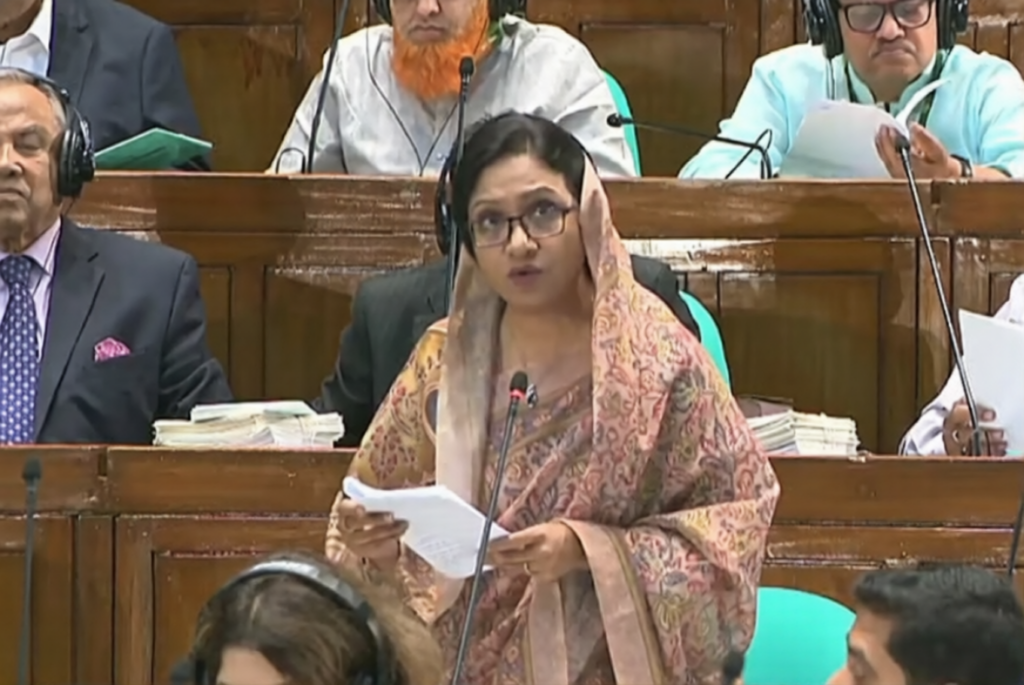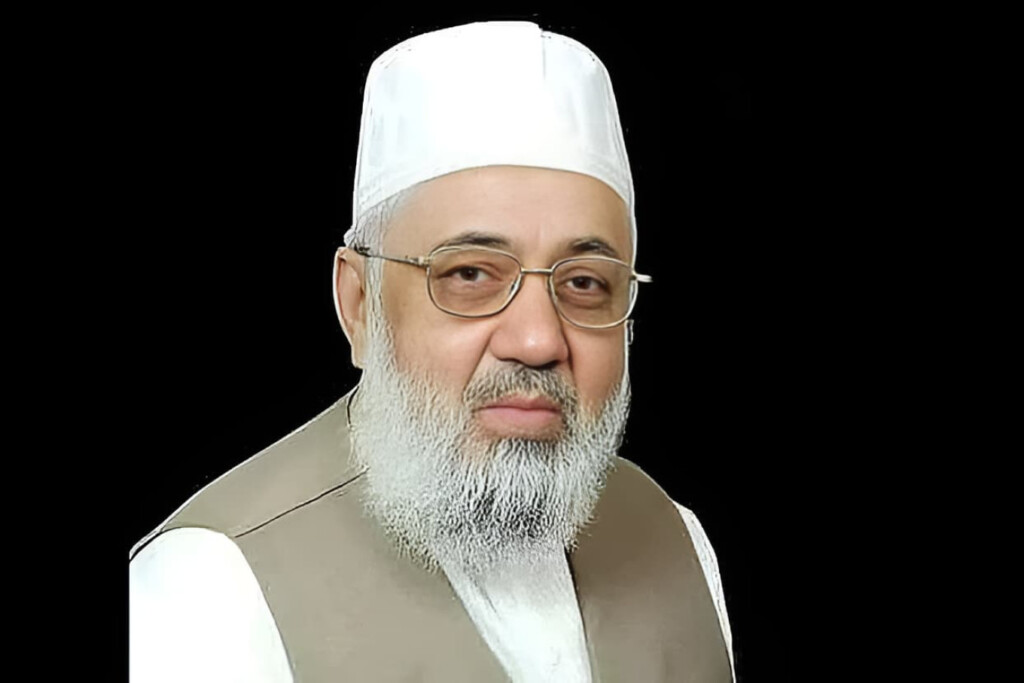
An opposition member of the National Parliament has voiced strong dissatisfaction over the audio equipment used during parliamentary proceedings, arguing that the system is unnecessarily cumbersome and may represent an inefficient use of public funds. Shahjahan Chowdhury, a parliamentarian from the opposition party Jamaat-e-Islami, raised the issue during an unscheduled discussion in the chamber on Sunday.
The remarks were made during the first session of the Thirteenth National Parliament, which formally began last Thursday. On the opening day of the session, parliamentary proceedings were briefly interrupted due to technical malfunctions in the microphone system, forcing a temporary suspension while technicians addressed the issue.
When the sitting resumed on Sunday morning at 11:00, Chowdhury took the floor and directed his comments to the Speaker of the House. He expressed concern about the practicality of the current audio arrangement, which requires members to use relatively large headphones in order to follow debates and speeches inside the chamber.
To illustrate his point, the opposition member removed the headset from his ears and held it up before the chamber. He stated that wearing such a heavy device for extended periods—often for one to two hours at a time—was uncomfortable for many members.
Chowdhury noted that earlier parliamentary sessions had functioned effectively without such equipment. Referring to his past experience, he recalled that the parliament formed in 1991 operated without the current type of headset system. He also mentioned that during the administration formed in 2001 by a four-party alliance government, parliamentary proceedings were conducted successfully without similar technological arrangements.
According to Chowdhury, the introduction of the present audio system appears unnecessary and raises questions about the budgeting process behind its procurement. He alleged that a budget allocation had been made for the system and suggested that the arrangement might have been designed primarily to justify expenditure rather than to improve parliamentary efficiency.
The opposition legislator emphasised that members of parliament should be able to hear proceedings clearly without the need to wear heavy equipment. He urged the parliamentary authorities to review and upgrade the audio system so that members could either use lightweight headsets or hear the discussions directly through an improved chamber sound system.
Parliamentary audio infrastructure typically includes several components designed to ensure that speeches and debates are clearly transmitted throughout the chamber. These systems are particularly important in large legislative halls where acoustics can make it difficult for members to hear speakers without technological assistance.
A typical parliamentary audio system generally includes the following elements:
| Component | Function |
|---|---|
| Microphone Units | Capture speeches delivered by members during debates |
| Central Audio Control | Regulates sound levels and distribution throughout the chamber |
| Speaker System | Broadcasts speeches across the parliamentary hall |
| Personal Headsets | Allow members to hear proceedings clearly, especially in large chambers |
| Technical Monitoring Desk | Oversees the performance and maintenance of audio equipment |
Experts in legislative technology note that modern parliamentary chambers around the world increasingly rely on sophisticated audio systems, particularly when interpretation services, broadcasting, or digital archiving are involved. However, they also stress that such systems must be ergonomically designed and user-friendly to avoid discomfort during long sessions.
Chowdhury’s intervention has brought renewed attention to the balance between technological modernisation and practicality within parliamentary infrastructure. Whether the authorities will review the current system or consider adjustments remains unclear, but the issue has now been formally raised on the floor of the National Parliament.