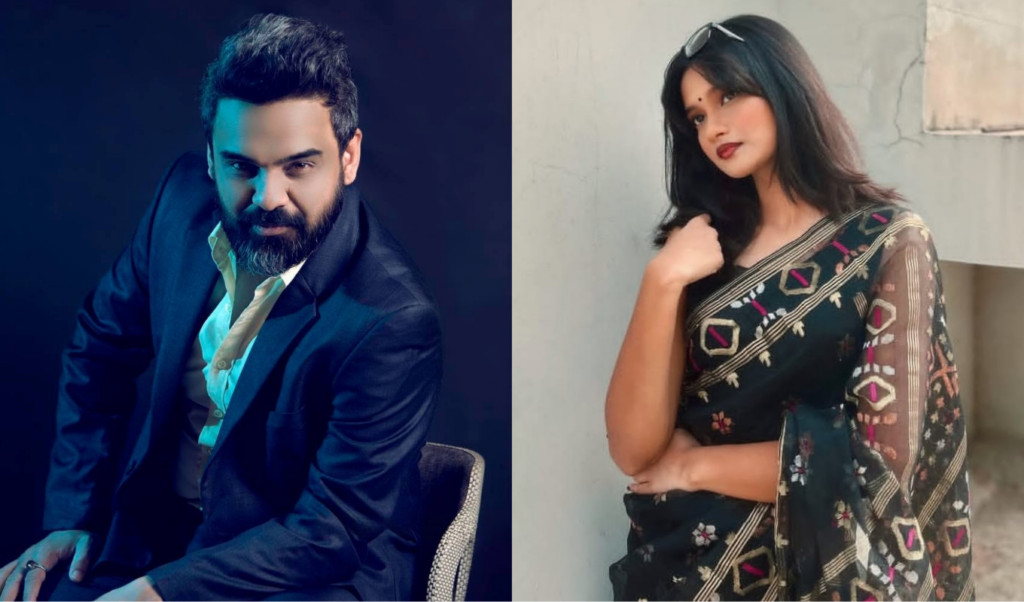
The Bangladeshi music industry has recently seen heightened attention following the official release of a new collaborative project featuring the established music producer and singer Habib Wahid and emerging singer-songwriter Rodoshi Isfar Fatemi. The project to be released on 5 May 2026 and has already attracted significant interest from audiences of contemporary Bangladeshi music.
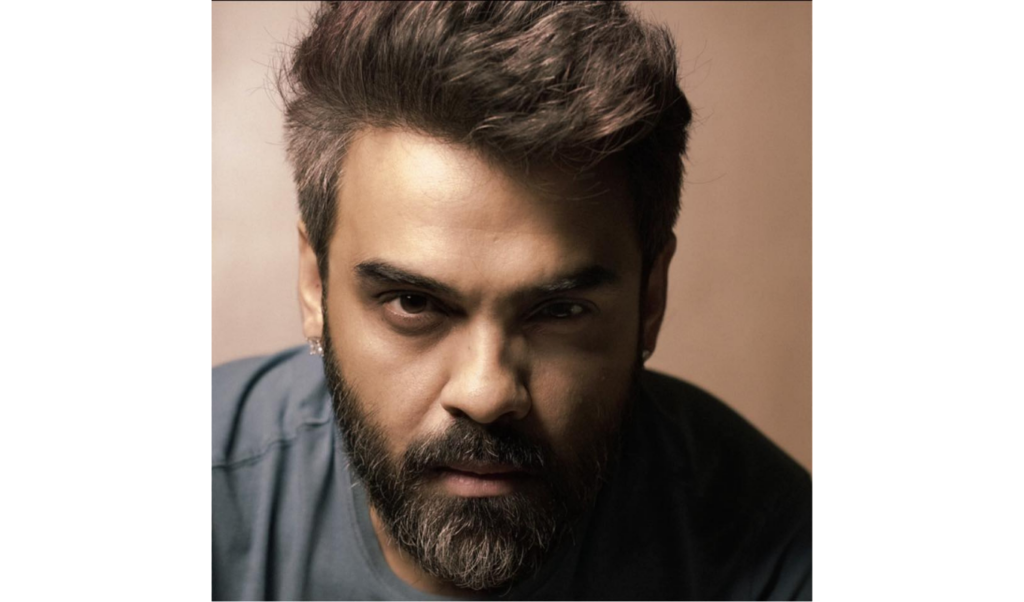
Habib Wahid is widely recognised as one of the most influential figures in modern Bangladeshi pop and fusion music. Over the course of his career, he has played a major role in combining traditional Bangladeshi folk influences with electronic music production. This stylistic fusion has contributed to shaping a distinctive sound within the country’s modern music landscape. His body of work includes numerous commercially successful songs and albums, and he has consistently collaborated with newer artists, thereby contributing to the continued development of the industry.
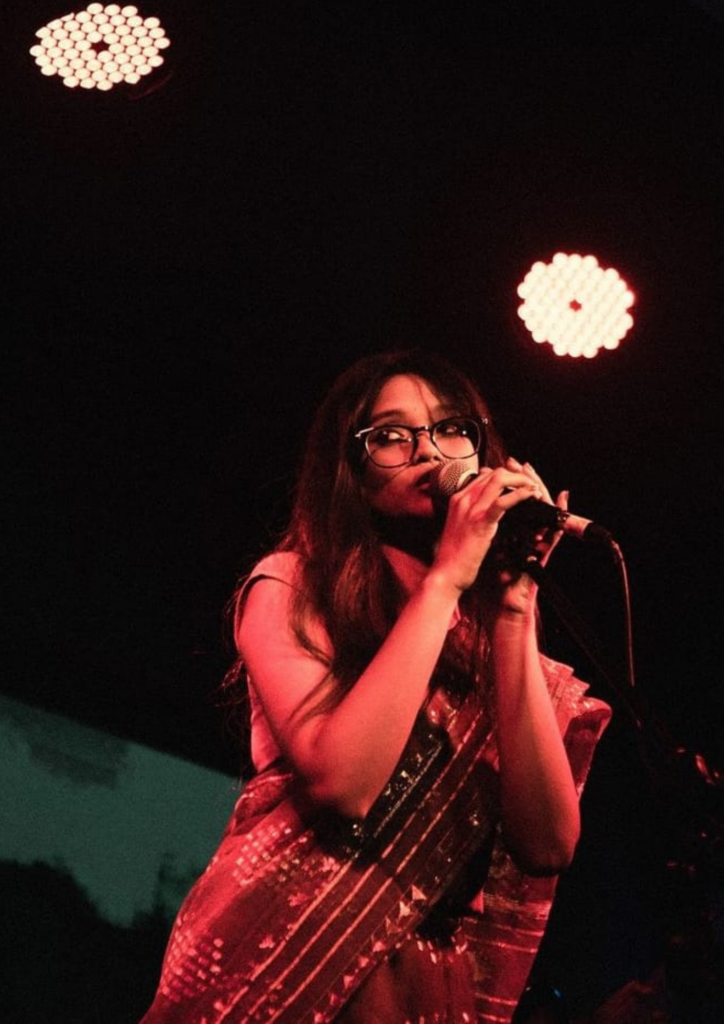
His collaborator in this release, Rodoshi Isfar Fatemi, represents a younger generation of Bangladeshi musicians who are gradually establishing their presence in the industry. As a singer and lyricist, she is noted for incorporating contemporary musical arrangements alongside narrative-driven songwriting. Her work has gained visibility through digital platforms and live performances, enabling her to build an expanding listener base, particularly among younger audiences.
The newly released project, made available on 5 May 2026, has primarily been distributed through digital channels. These include major streaming platforms, video-sharing services such as YouTube, and a range of social media outlets. This approach reflects the broader global shift in the music industry towards digital-first releases, which allow for immediate accessibility, wider distribution, and real-time audience engagement.
The collaboration brings together two distinct artistic approaches. One is grounded in long-standing experience in shaping modern Bangladeshi music, while the other reflects an emerging creative perspective influenced by contemporary storytelling and production styles. Such collaborations are commonly regarded within the industry as contributing to stylistic diversity and the ongoing evolution of musical expression in Bangladesh.
With the release now officially available from 5 May 2026, attention continues to focus on how audiences respond to the collaboration and its place within Bangladesh’s expanding digital music ecosystem.