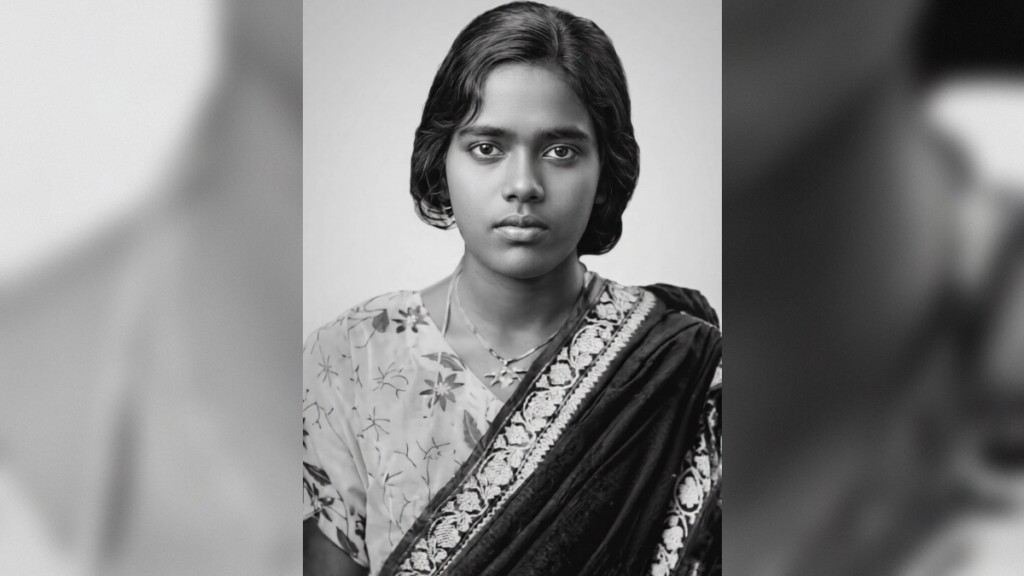
A luminous name of the era of revolution—Pritilata Waddedar. She was not merely a revolutionary; she stands as a shining symbol of courage, sacrifice, and the aspiration for independence of Bengali women.
She was born on 5 May 1911 into an ordinary middle-class family in Chattogram. Her father, Jagabandhu Waddedar, served as the head clerk of the Chittagong Municipality. From early childhood, the intelligent and determined Pritilata showed exceptional academic brilliance. In 1927, she passed her matriculation examination from Khastagir Girls’ School with first division. Later, while studying at Eden College in Dhaka, she secured the first position in the Dhaka Board in the Higher Secondary examinations. She subsequently obtained a Bachelor’s degree in Philosophy with distinction from Bethune College in Kolkata.
Even during her student life, she became inspired by revolutionary ideals. Through her association with the women’s revolutionary organisation led by Leela Nag and Kalyani Das, the flame of independence within her burned ever brighter. She later joined the revolutionary group in Chattogram led by Surya Sen, where she was one of the first female members.
Pritilata was not only an organiser but also a courageous fighter. She actively participated in several armed operations, including attacks on the telephone and telegraph office, the capture of the reserve police lines, and the Jalalabad battle. Her determination in the anti-British struggle quickly earned her the trust of fellow revolutionaries.
23 September 1932 became an unforgettable day in history. At the European Club in Pahartali, where a sign read “Dogs and Indians not allowed”, Pritilata led an armed attack against this racist humiliation. Disguised as a man, she commanded the operation with remarkable skill and precision.
Although the mission was successful, she was wounded while retreating. Rather than be captured and humiliated by the British, she chose death. She consumed potassium cyanide that she had carried with her and sacrificed her life at the age of just 21.
Her sacrifice was not merely the end of an event, but the beginning of a new inspiration. Her courage and devotion intensified and energised the revolutionary movement. Countless young men and women, including her comrade Kalpana Dutta, were inspired to follow her path.
Pritilata Waddedar remains an eternal flame in our history—one who taught that sacrifice for freedom is the highest form of glory.
We remember this immortal heroine with deep respect and profound gratitude.