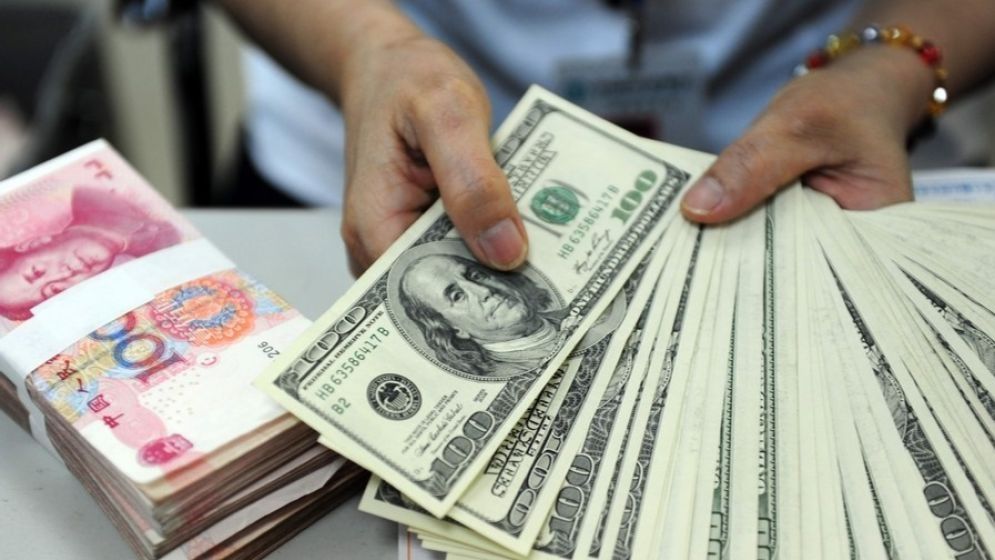
A large number of Bangladeshi nationals residing abroad, estimated at over ten million, continue to play a vital role in sustaining the country’s economy through remittances. Alongside this, the steady expansion of international trade has made foreign exchange transactions an increasingly significant aspect of financial activity in Bangladesh.
In this context, daily monitoring of currency exchange rates has become essential for businesses, importers, exporters, and individuals engaged in cross-border financial dealings. Fluctuations in global markets, influenced by geopolitical developments, inflationary pressures, and monetary policy decisions in major economies, often lead to frequent changes in exchange values.
On Friday, 19 June 2026, the indicative exchange rates of various foreign currencies against the Bangladeshi Taka were recorded as follows. These figures serve as a general reference and may vary across banks, exchange houses, and market conditions throughout the day.
Foreign Currency Exchange Rates (19 June 2026)
| Currency | Value in Bangladeshi Taka (BDT) |
|---|---|
| US Dollar (USD) | 122.75 |
| Euro (EUR) | 141.20 |
| British Pound (GBP) | 163.21 |
| Indian Rupee (INR) | 1.30 |
| Malaysian Ringgit (MYR) | 30.26 |
| Singapore Dollar (SGD) | 95.29 |
| Saudi Riyal (SAR) | 32.80 |
| Canadian Dollar (CAD) | 84.20 |
| Australian Dollar (AUD) | 86.12 |
| Kuwaiti Dinar (KWD) | 399.79 |
The US Dollar continues to remain the most influential currency in global trade and remittance flows, often serving as a benchmark for other exchange rates. The British Pound and Euro also maintain strong positions due to their stability and the scale of economic activity within the United Kingdom and the Eurozone.
Among Gulf currencies, the Saudi Riyal and Kuwaiti Dinar are particularly significant for Bangladesh due to the large expatriate workforce in the Middle East, which contributes a substantial portion of remittance inflows. The Kuwaiti Dinar remains one of the highest-valued currencies globally, reflecting Kuwait’s strong economic fundamentals and controlled monetary system.
It is important to note that foreign exchange rates are not fixed and may change at any time depending on market demand, central bank policies, and international financial trends. As a result, actual buying and selling rates may differ slightly from the indicative figures listed above.
Individuals and businesses are therefore advised to verify the latest rates with authorised financial institutions before conducting any major currency exchange transactions.