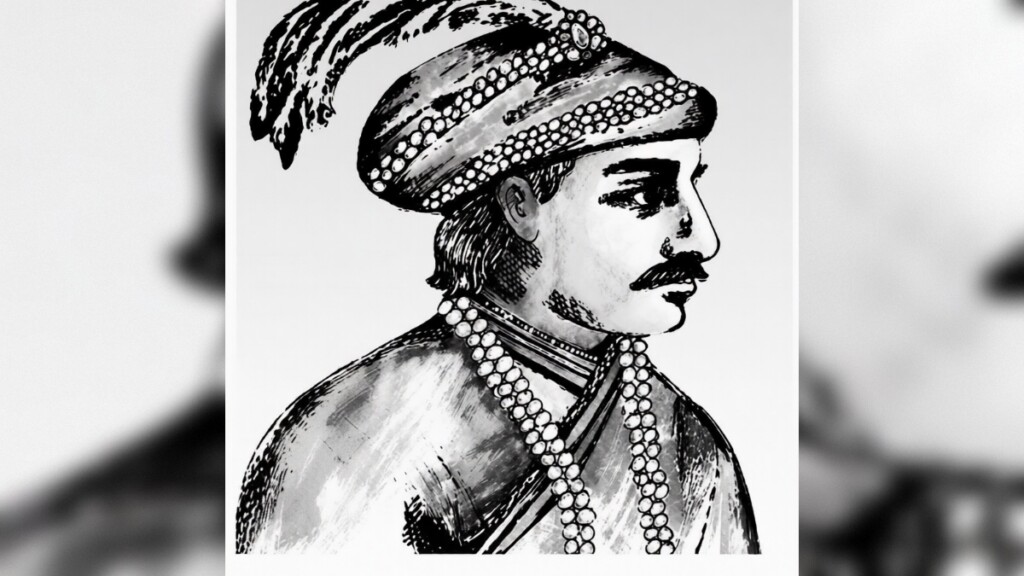
Today is 23 June, a day of sorrow, disgrace and profound significance in the history of Bengal. On this day in 1757, the infamous Battle of Plassey took place in the mango groves of Plassey on the banks of the Bhagirathi River. In reality, it was not a clash between two evenly matched forces; rather, it was a cruel stage set for conspiracy, betrayal and foreign aggression.
Two hundred and sixty-nine years ago, Siraj-ud-Daulah, the last independent Nawab of Bengal, Bihar and Odisha, fought against the English East India Company. However, the principal cause of his defeat on the battlefield was not British military superiority, but treachery from within his own ranks. A group of self-serving individuals, including commanders such as Mir Jafar, Rai Durlabh, Yar Latif, and the banking house of Jagat Seth, conspired secretly against the Nawab. With their assistance, Robert Clive, the British commander, succeeded in dismantling the foundations of Bengal’s independence.
Although the Battle of Plassey lasted only a few hours, its consequences were far-reaching. With this defeat, the sun of Bengal’s sovereignty set, paving the way for nearly two centuries of colonial rule across the subcontinent. Bengal’s vast wealth was systematically drained abroad, its peasantry subjected to exploitation, and a once-prosperous region gradually transformed into a theatre of colonial plunder.
History teaches us that no nation is defeated by external forces alone; internal division, greed, ambition for power and betrayal often prove to be its greatest weaknesses. At Plassey, the greater defeat was not merely military, but the self-inflicted fracture within the Bengali polity. Mir Jafar, therefore, is not just an individual but a symbol of a mindset—one that sacrifices national dignity and aspiration for personal gain.
Regrettably, history shows that such figures reappear in different forms across different eras. Their names and appearances may change, but the essence of betrayal remains constant. Thus, Plassey Day is not only a moment for remembrance of the past; it is also a day for introspection, for strengthening national consciousness, and for reaffirming commitment to patriotism, integrity and unity.
On this day, we pay deep respect to Nawab Siraj-ud-Daulah and all those patriots who fought to defend the independence and dignity of Bengal. At the same time, we reflect upon the harsh lesson of history: when Mir Jafars emerge within a nation, defeat is inscribed not only on the battlefield but also on the pages of history.
Let us therefore learn from the tragedy of Plassey and move forward on the path of unity rather than division; prioritise national interest over personal gain; and build a Bangladesh where no new Mir Jafar can ever hold the nation’s future hostage.
23 June should be a day of historical remembrance, national awakening and renewed patriotism.
The lesson of Plassey: unity is strength, betrayal is the beginning of defeat.