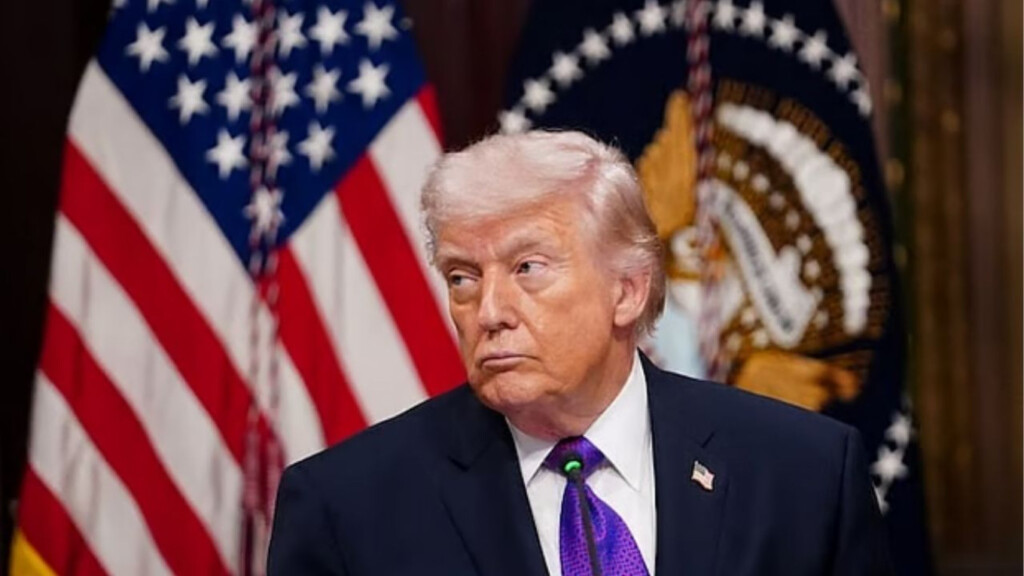
A cohort of senior advisers to United States President Donald Trump is reportedly exerting significant pressure on the administrationChoose Image to engineer a swift exit strategy from the escalating conflict with Iran. According to a report by The Wall Street Journal, these aides are increasingly wary of the political and economic fallout resulting from a protracted military campaign, citing the catastrophic surge in global oil prices and the risk of a “forever war” as primary concerns.
Strategic Objectives vs. Political Risks
The advisers argue that the core military objectives of the initial strikes—namely the degradation of Iranian missile capabilities and the demonstration of American resolve—have largely been achieved. They fear that remaining entangled in a high-intensity conflict will alienate voters and destabilise the domestic economy. Despite these warnings, President Trump’s public rhetoric remains characteristically defiant. On Monday, he pledged that the mission against Tehran would be concluded “shortly,” though he stopped short of providing a concrete timeline.
Key Pressures Facing the Trump Administration:
| Pressure Factor | Impact on US Policy | Political Significance |
|---|---|---|
| Global Oil Prices | Brent crude surging toward historic highs. | High: Threatens domestic inflation and consumer sentiment. |
| Military Deadlock | Iran’s resilience despite heavy bombardment. | Medium: Challenges the “quick victory” narrative. |
| Regional Stability | Potential for total Middle East conflagration. | High: Risks overstretching US logistics and alliances. |
| Israeli Objectives | Ongoing IDF strikes on Iranian assets. | High: Binds US military support to Israeli security needs. |
The Resilience of Tehran
Internal sources suggest that President Trump has expressed private surprise at Iran’s refusal to capitulate under immense military and economic pressure. Rather than seeking a diplomatic off-ramp, Tehran has continued its counter-strikes against US and Israeli interests in the region. An administration official noted that as long as Iran maintains its aggressive posture and Israel remains committed to neutralising the Iranian threat, a clean “exit” remains a strategic impossibility.
The “Total Victory” Doctrine
The report further elucidates that while his advisers seek a pragmatic withdrawal, the President remains wedded to his doctrine of “total victory.” He is reportedly reluctant to disengage without a clear, demonstrable concession from the Iranian leadership that can be presented as a definitive triumph. This divergence between the President’s desire for a definitive win and his advisers’ fears of a quagmire suggests a period of internal friction as the United States navigates its most significant military challenge in decades.