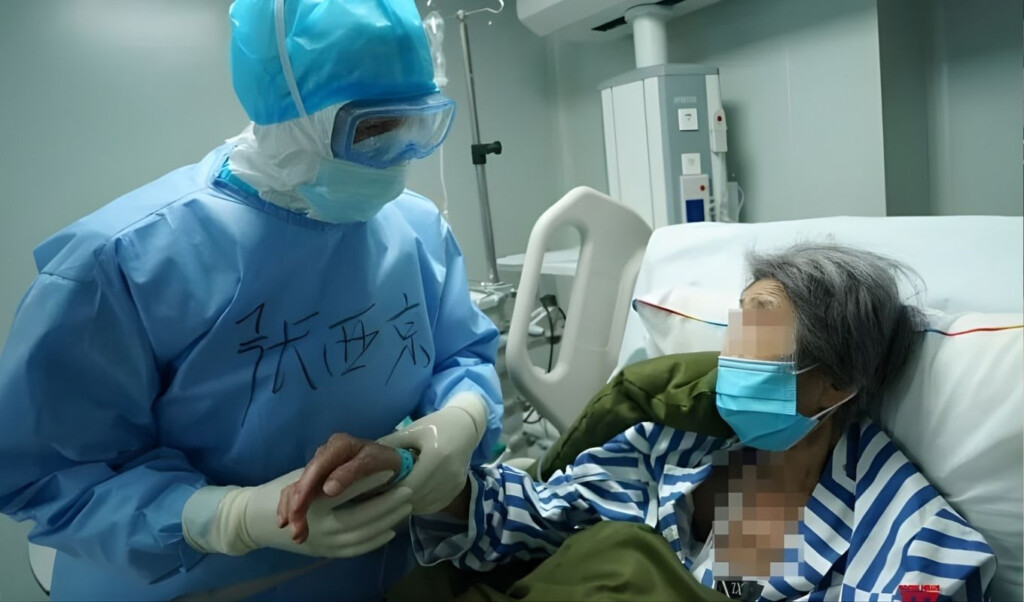
New Delhi/Beijing, 7 February — A surge in fraudulent psychiatric hospitals and associated insurance scams is casting an unflattering light on China’s struggle to care for its rapidly ageing population, according to a recent media investigation. The revelations underscore deep structural weaknesses in elder care, healthcare oversight and rural welfare provision, at a time when demographic pressures are intensifying nationwide.
An investigation reported by The Diplomat, citing findings from The Beijing News, details how private psychiatric hospitals in parts of central China have been admitting patients on false pretences in order to siphon off public medical insurance funds. Dozens of such facilities were identified in the cities of Xiangyang and Yichang, where operators lured vulnerable individuals with promises of free or nominally priced inpatient care.
Under China’s public health insurance system, most treatments are reimbursed by state-run schemes, though patients are typically expected to contribute a portion of the costs themselves. In the cases uncovered, however, hospitals reportedly charged daily treatment fees of around 140 yuan per patient and then claimed reimbursement for the bulk of that amount from government insurance, despite providing little or no legitimate medical care.
An undercover reporter documented that some of these hospitals housed only a handful of patients, while others accommodated more than 100 at a time. Many of those admitted were elderly people or individuals with alcohol dependency, drawn in by the promise of regular meals and a roof over their heads. For some, the facilities functioned less as hospitals than as unregulated shelters, financed by fraudulent insurance claims.
Conditions inside these institutions were described as grim. Reports pointed to routine physical and verbal abuse, inadequate medical supervision, and the forced use of patients as unpaid labour. Individuals were allegedly compelled to clean wards, bathe other patients and perform menial chores. In several cases, hospitals made it difficult for patients to leave once admitted, resulting in confinements that lasted for years.
At its core, the scandal highlights the fragility of China’s elder care model, which still rests heavily on the assumption that older citizens will be supported by their families. This expectation is increasingly unrealistic, particularly in rural areas. Many elderly patients involved in the scam came from villages where pensions are minimal and public services limited. Large-scale migration of working-age adults to cities has left numerous rural communities hollowed out, isolating older residents and making them especially susceptible to exploitation.
The episode has intensified calls for tighter regulation of private healthcare providers, stronger safeguards within the medical insurance system, and a more robust, state-supported framework for elder care—one capable of meeting the needs of a rapidly greying society.
Key Findings from the Investigation
| Aspect | Details |
|---|---|
| Locations identified | Xiangyang and Yichang, Hubei province |
| Type of facilities | Private psychiatric hospitals |
| Daily treatment cost claimed | Approximately 140 yuan per patient |
| Primary victims | Elderly people and alcohol-dependent individuals |
| Incentives used | Free or low-cost care, food and shelter |
| Reported abuses | Physical/verbal abuse, forced labour, restricted exit |
| Core systemic issue | Weak elder care and insurance oversight |
As China’s population continues to age, the exposure of such schemes serves as a stark warning: without comprehensive reform, the most vulnerable citizens may continue to fall through the cracks of an overstretched and unevenly regulated system.