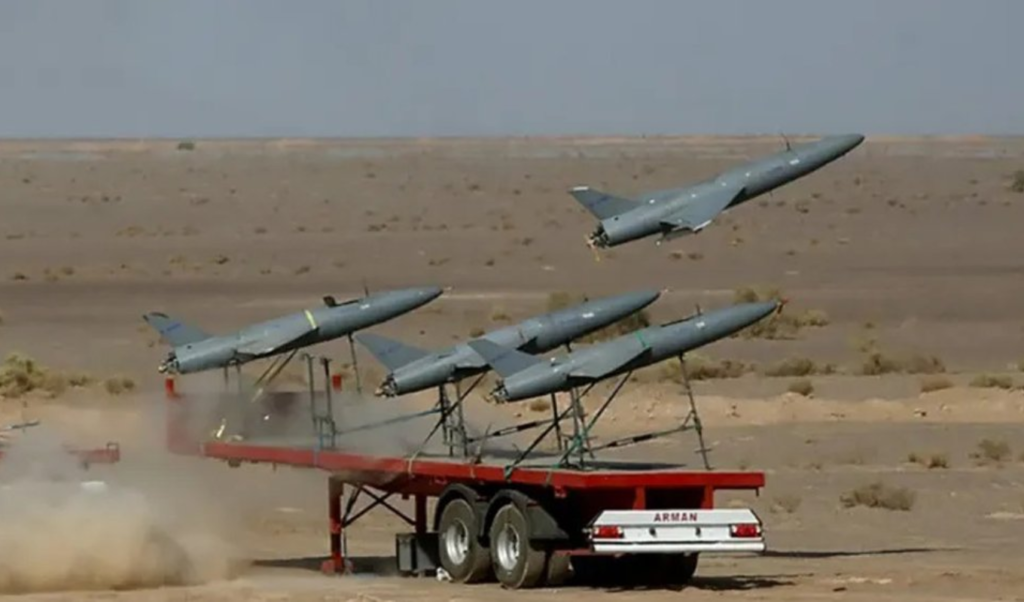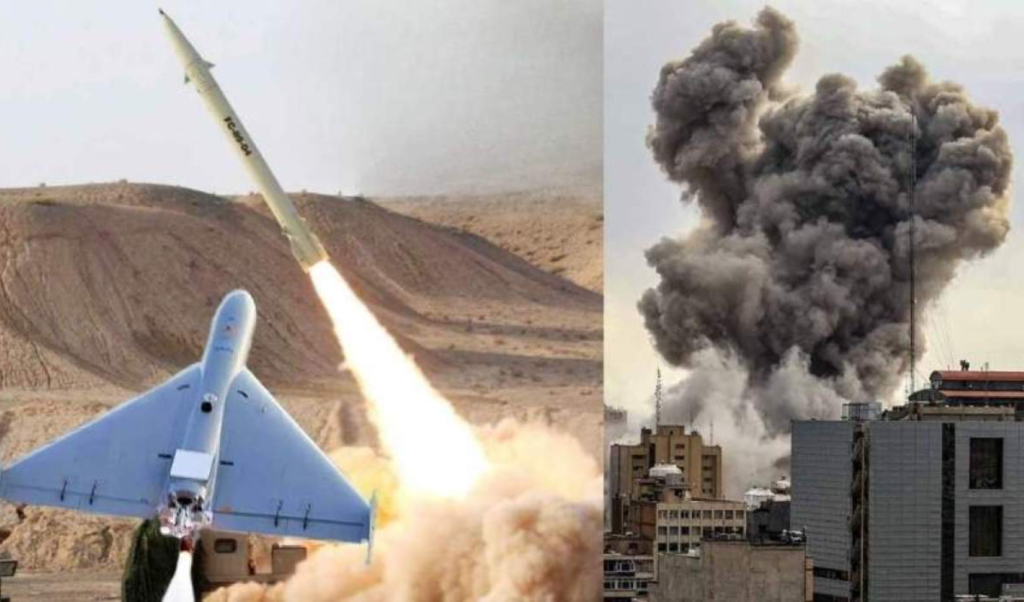
A drone attack targeting a liquefied natural gas (LNG) terminal in an Egyptian Mediterranean port has sparked widespread security concerns that the widening conflict in the Middle East is spilling over into critical energy hubs previously untouched by direct hostilities.
The strike occurred at the Port of Damietta during active offloading operations. According to British maritime security firm Ambrey, an unmanned aerial vehicle hit the Energos Winter, a Marshall Islands-flagged floating storage and regasification unit owned and operated by a United States-based firm. The initial explosion triggered a fire aboard the vessel, which subsequently spread to a nearby carrier, the GasLog Salem. Emergency response teams and local firefighting units rushed to the scene, successfully extinguishing the flames and evacuating all crew members without any reported casualties or injuries.
While Egyptian authorities initially confirmed a fire on storage vessels at Damietta without specifying its origin, the Cabinet later acknowledged that preliminary investigations pointed to a drone strike. No group or sovereign state has officially claimed responsibility for the assault.
Regional security analysts view the incident as a calculated strategic message. Dr H.A. Hellyer, a senior associate fellow at the Royal United Services Institute (RUSI), noted that the strike—whether launched directly from Iran or carried out by Tehran-backed proxy groups belonging to the self-styled “Axis of Resistance”—demonstrates a capability to strike targets well beyond the primary battlegrounds of the Persian Gulf and the Levant. By striking a US-owned asset operating in Egyptian waters, the perpetrators have signaled that regional energy supply chains and maritime choke points remain vulnerable to asymmetric attacks.
The attack marks the first instance of Egypt suffering direct physical fallout from the ongoing regional hostilities. Cairo has spent recent months attempting to navigate a delicate diplomatic tightrope, serving as a mediator alongside international partners to de-escalate tensions between Washington, Tel Aviv, and Tehran. While Egyptian officials have repeatedly condemned strikes on Gulf shipping and called for restraint, the administration in Cairo maintains a notoriously cautious military posture and is considered unlikely to launch offensive retaliatory strikes.
Diplomatic relations between Egypt and Iran have been historically strained since the 1979 Islamic Revolution, representing one of the longest diplomatic cold spells in the Arab world. Although recent high-level ministerial dialogues had signaled a modest thaw, analysts warn that targeting infrastructure within Egyptian jurisdiction undermines Cairo’s attempts to remain a neutral player.
The disruption at Damietta comes at a delicate juncture for Egypt’s domestic energy market. Once a net exporter of natural gas following the discovery of the offshore Zohr field, declining domestic production has forced Cairo back into the international spot market to import LNG to meet soaring summer electricity demand. Though state officials assured the public that emergency reserves and alternative terminals would prevent immediate power shortages, the incident has injected fresh volatility into global energy markets, sending crude and gas futures sharply higher.