Sunday, 5th April 2026

Khabor Wala Desk
Published: 25th February 2025, 9:19 AM
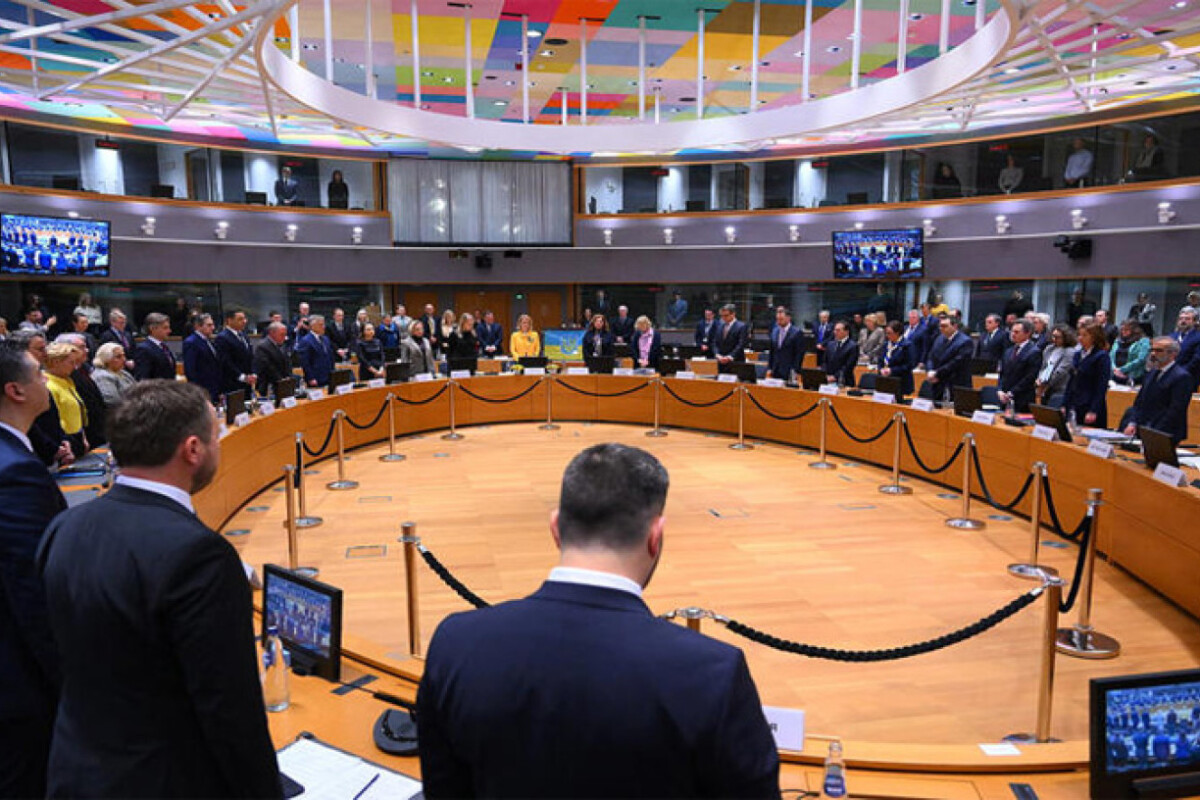
Brussels, Belgium, Feb 25, 2025 (BSS/AFP) – The European Union has announced a suspension of sanctions on Syria’s energy, transport, and banking sectors in an effort to support the country’s reconstruction efforts following the fall of Bashar al-Assad.
The move comes as Syria’s new leadership, dominated by an Islamist-led government, has repeatedly urged the West to lift the economic restrictions imposed on Assad’s regime during the prolonged civil war. However, Western nations, including those in the EU, have remained cautious, seeking clear commitments from the new rulers in Damascus on inclusive governance and human rights.
In a meeting held in Brussels, EU foreign ministers agreed to:
“The EU aims to facilitate engagement with Syria, its people, and businesses, particularly in key sectors essential for recovery,” the bloc stated.
Despite this easing of restrictions, EU officials warned that sanctions could be reinstated if Syria’s new leadership fails to uphold promises regarding minority rights and democratic transition.
Syria’s new Foreign Minister Asaad al-Shaibani welcomed the decision, calling it a positive step toward alleviating the suffering of the Syrian people. “These sanctions, which date back to the Assad era, were unjust,” he stated on social media.
Much of Syria’s infrastructure has been decimated by years of war and economic isolation, with the United Nations recently estimating that the country would require over 50 years to return to its pre-war economic level.
The EU’s decision comes as global powers vie for influence in post-Assad Syria, particularly in light of Russia and Iran’s historic support for the ousted regime. However, the latest move does not include lifting sanctions on Syria’s interim president, Ahmed al-Sharaa, or his Islamist group, Hayat Tahrir al-Sham (HTS)—a faction with a controversial past.
The EU’s latest decision signals a shift in strategy but keeps key restrictions in place, ensuring that Syria’s new rulers remain under international scrutiny as they navigate the post-Assad era.


Comments