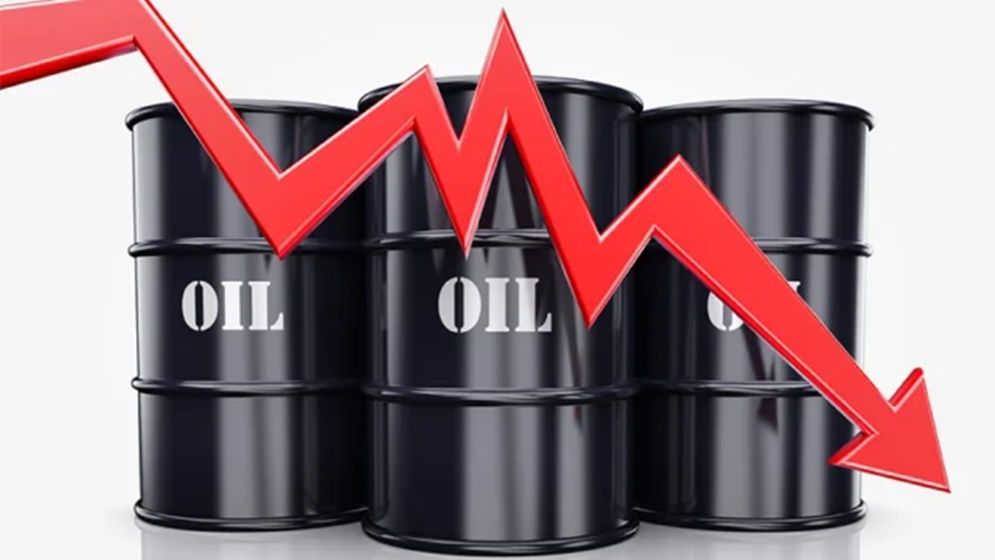
International crude oil markets have witnessed a sharp downturn following a reported understanding between the United States and Iran, easing tensions around the strategic Strait of Hormuz. Benchmark Brent crude has fallen to around 75 US dollars per barrel, marking a significant correction from recent peaks and reviving expectations of softer global energy costs.
In Bangladesh, the development has triggered cautious optimism among energy stakeholders, though uncertainty remains over when or whether consumers will benefit from lower fuel prices. Officials and experts remain divided over the timing and extent of any domestic price adjustment.
The Bangladesh Petroleum Corporation (BPC) has indicated that despite the decline in global prices, there is currently no immediate plan to reduce domestic fuel rates. The corporation continues to face heavy financial pressure after purchasing fuel at higher prices during the recent period of geopolitical instability. Over the past four months alone, BPC has reportedly incurred losses exceeding 17,000 crore taka.
BPC Chairman Rezanur Rahman stated that the organisation is still selling fuel below import cost. Although the monthly loss previously exceeded 4,000 crore taka, it has now reduced significantly as international prices ease.
Market data shows Brent crude rising from 72.87 dollars per barrel on 28 February to a peak of 114.44 dollars on 4 May, before sliding back to around 75.50 dollars by 24 June. The volatility has had a direct impact on import bills. A 30,000-tonne diesel shipment earlier cost nearly 5 million US dollars, compared with around 3 million dollars at present.
Officials note that Bangladesh imports roughly 15 fuel shipments per month. Under the current pricing structure, diesel import cost stands at about 129 taka per litre, while it is sold domestically at 115 taka, creating a per-litre loss for BPC. In contrast, octane and petrol remain profitable, with retail prices at 145 taka and 140 taka per litre respectively.
A significant portion of the diesel import cost includes around 35 taka per litre in customs duty collected by the National Board of Revenue, meaning the state earns revenue even as BPC bears losses.
Despite the financial strain, government accounts are not under immediate pressure as fuel subsidies are not directly provided to BPC, unlike LNG, coal, and fertiliser sectors where support has increased. The corporation had earlier accumulated over 30,000 crore taka in various bank accounts, much of which has been used to offset losses. BPC is now seeking reimbursement or relief, including possible suspension of import duties.
Fuel pricing is determined under an IMF-linked formula, averaging import costs between the 21st of one month and the 20th of the next. For the recent cycle, diesel cost was calculated at 153.21 taka per litre, while octane stood at 144.47 taka. These figures are expected to influence the next pricing adjustment scheduled for July.
Supply conditions remain stable, with sufficient reserves in place. Current stock levels include diesel for 42 days, kerosene for 76 days, and aviation fuel for around three weeks.
While short-term stability has returned to global markets, energy officials caution that uncertainty persists. Any breakdown in diplomatic progress between Washington and Tehran could quickly reverse recent price declines and destabilise global fuel markets once again.