khaborwala online desk
Published: 08 Mar 2026, 04:47 pm

The music industry thrives on melody, yet sometimes the most telling stories lie in the silences between the notes. Recently, acclaimed playback singer Shreya Ghoshal spoke candidly about one such silence—the diminishing presence of female voices on India’s music charts.
In a revealing discussion with podcaster Raj Shamani, Ghoshal delved beyond her own career to examine the broader state of Indian music. “Why are women missing from the top charts in India when globally, female artists are dominating?” she asked, highlighting a growing disparity in representation. Her comments have sparked a wider conversation about gender, power, and musical trends in Bollywood.
Shreya emphasised that on the international stage, women are not just participating—they are leading. Artists such as Taylor Swift and Rihanna consistently dominate global charts, arena tours, and streaming platforms. Their success, Ghoshal noted, is no accident; it stems from years of relentless hard work, innovation, and mastery of craft.
“Globally, women are shaping the industry itself, not merely contributing to it,” she explained. “In India, it’s a different story.”
According to Ghoshal, the imbalance becomes starkly evident when examining Indian music charts. Male singers overwhelmingly occupy top positions, leaving only a handful of female voices in the Top 50.
| Chart Metric | Approx. Number of Female Artists | Observation |
|---|---|---|
| Top 50 Songs | 6–7 | Predominantly male-dominated |
| Top 10 Songs | 1–2 | Rarely features female leads |
| Streaming Playlists | Varies | Male voices consistently dominate |
“These numbers aren’t a reflection of talent,” Ghoshal clarified. “They show the systemic biases that persist in the industry.”
This imbalance is striking given India’s musical history. Legendary playback singers such as Lata Mangeshkar and Asha Bhosle once ruled the industry, commanding respect and shaping the very sound of Indian cinema. Female singers were often the defining voices of entire eras, recording hundreds of songs each year and eclipsing many of their male contemporaries.
Ghoshal attributes the current disparity to a decade of experimentation and uncertainty in the Indian music industry. “Genres are merging, styles are blending, and trends shift rapidly,” she explained. This phase, which she describes as one of “fusion and confusion,” has temporarily diminished the dominance of female voices.
Yet Ghoshal remains hopeful. She believes that as the industry matures, clarity will return—and with it, a renewed prominence for women in mainstream Indian music.

> Asif Akbar Cleared in Foreign Liquor Case
> Messi’s “Last Dance” That Never Happened
> Oil Prices Surge Amid Global Supply Concerns
> Tangail Man Killed in Saudi Missile Attack
> Barcelona Leads La Liga, PSG Faces Lens Pressure
> Minab School Attack: Truth Behind The Tragedy
> NHCX Set to Transform Health Insurance Claims
> Nina Ong Transforms Great Eastern Life Indonesia
> Arrests in India of Suspects in Hadi Killing
> Xavi Claims Laporta Blocked Messi’s Barcelona Return
> Iran Claims US Soldiers Detained, Trump Denies
> Sri Lanka Offers Free Visa to Rescued Iranian Sailors

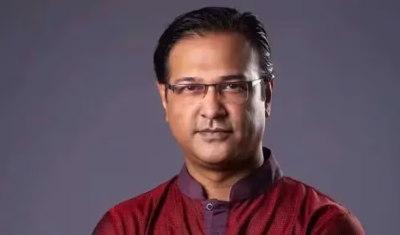
After an arduous legal battle spanning eight years, celebrated Bangladeshi singer Asif Akbar has fin...

Lionel Messi reportedly wanted to return to Barcelona—but why did the eagerly anticipated “last danc...

Global oil markets have been thrown into turmoil following Iran’s retaliatory strikes in response to...

The European football title races are heating up across the continent, with several leagues witnessi...

On 28 February, a catastrophic incident shook the city of Minab in Iran, when a primary school was h...

The distance spanned nearly four thousand kilometres, from Sydney to Perth. While the Western Sydney...
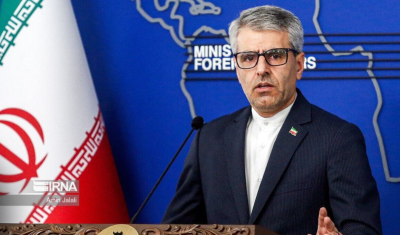
Iran’s Foreign Ministry spokesperson, Esmaeil Baghaei, has launched a sharp critique of the United S...

The enthusiasm of devoted fans often reflects the deep admiration that public figures inspire. Yet w...
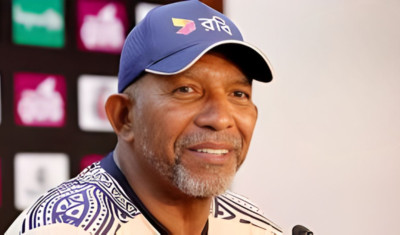
Bangladesh cricket continues to buzz with speculation over the potential return of star all-rounder...

In the rapidly evolving world of technology, artificial intelligence (AI) is taking centre stage, re...
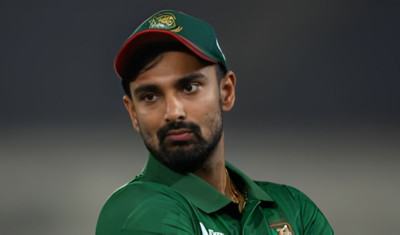
Bangladesh’s national cricket team has recalled experienced batsman Liton Das to the 50-over squad f...

In an increasingly globalised world, the search for alternative citizenship or residence options has...


Availabe for iphone & ipads

Available in google play
 বাংলা
বাংলা