khaborwala online desk
Published: 09 Mar 2026, 08:44 pm
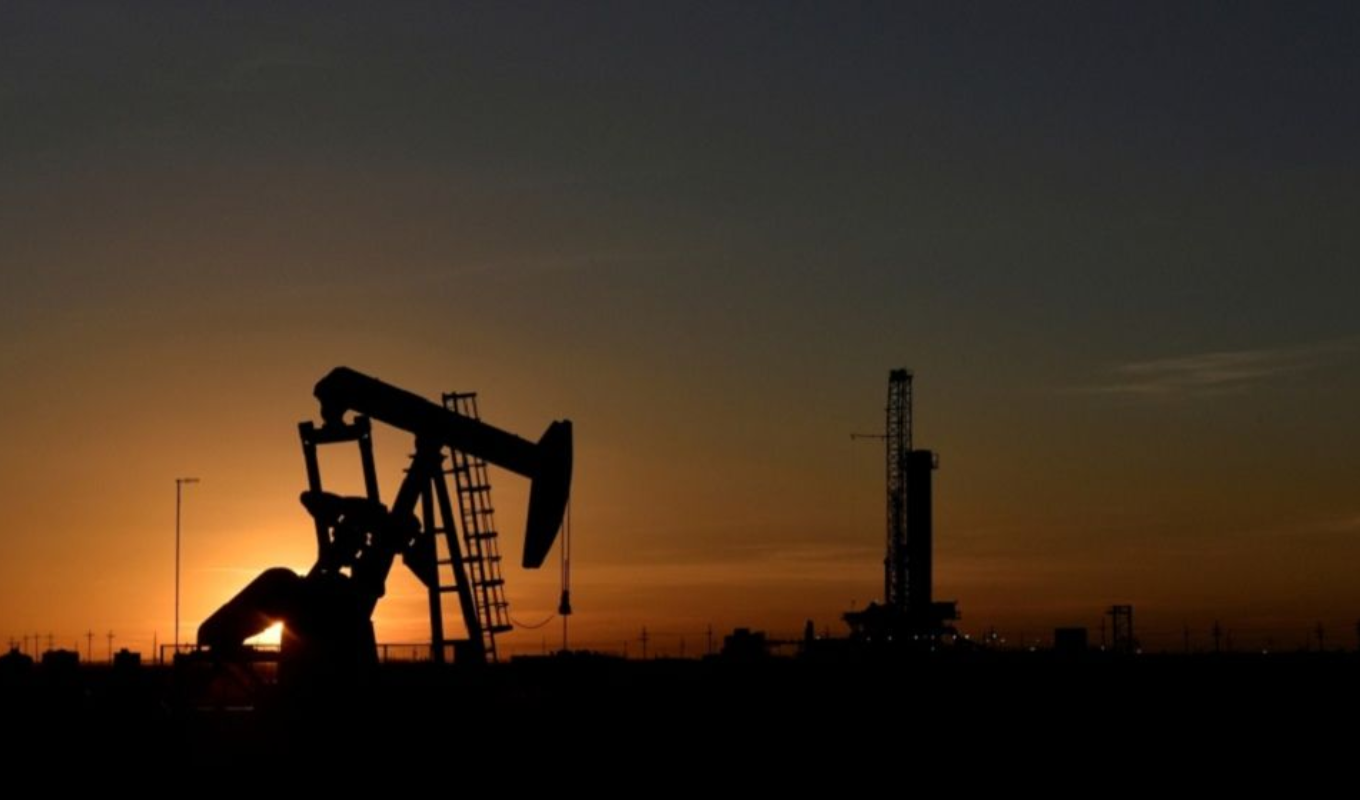
Global oil markets have been thrown into turmoil following Iran’s retaliatory strikes in response to military actions by the United States and Israel. The unrest has driven crude oil prices above the $100-per-barrel threshold, prompting concerns among analysts that prices could escalate further if supply disruptions persist.
Brent crude, the international benchmark, surged more than 20% on Sunday, 8 March, reaching $114 per barrel at its peak. On Monday, prices climbed further to $119.50 per barrel, before easing slightly to $112.98 in later trading. This marks the first time since the 2022 Russia-Ukraine conflict that crude oil prices have exceeded $100 per barrel.
Experts point to the strategic importance of the Strait of Hormuz, controlled by Iran, through which a significant portion of the world’s oil supply transits. Fears of temporary supply interruptions have pushed crude prices up by as much as 24%, with Brent crude in Asian markets trading at $114.74 per barrel.
Simultaneously, lighter West Texas Intermediate (WTI) crude, traded on NYMEX, rose over 26% to $114.78 per barrel. Peter McGuire, CEO of Trading.com Australia, warned that the rapid surge in oil prices could lead to further volatility. “If additional countries in the Gulf region halt or reduce oil and gas production, we could see prices spike dramatically, potentially reaching $140 to $150 per barrel,” he said.
The G7 finance ministers are reportedly discussing joint releases of strategic oil reserves via the International Energy Agency to alleviate market anxiety and dampen volatility. Such coordinated measures could temporarily stabilise prices, though market observers remain cautious.
US President Donald Trump, however, downplayed concerns over rising oil prices, stating, “A short-term increase in oil prices is not a major issue. Once Iran’s nuclear threat is neutralised, prices will fall quickly. The cost is small compared to the security and peace of the United States and the world.”
Similarly, US Energy Secretary Chris Wright emphasised that any petrol price increase would be temporary during his appearance on Face the Nation.
Since the joint US-Israel strikes on 28 February, global crude oil prices have surged nearly 50%. The Islamic Revolutionary Guard Corps (IRGC) of Iran has issued stern warnings, indicating that if further attacks occur, key energy infrastructure in the Middle East could be targeted. The IRGC cautioned that under such circumstances, oil prices could escalate to as high as $200 per barrel.
| Benchmark & Region | Price (USD/Barrel) | % Increase | Notes |
|---|---|---|---|
| Brent Crude (Europe) | 112.98 | +20 | Supply concerns amid Middle East tensions |
| Brent Crude (Asia) | 114.74 | +24 | Strait of Hormuz risk driving prices up |
| WTI Crude (NYMEX) | 114.78 | +26 | Light crude experiencing sharp volatility |
| Potential Spike | 140–200 | — | If Gulf production halts or attacks occur |
The combination of geopolitical tension and potential supply bottlenecks has created one of the most volatile periods in the oil market in recent years, raising concerns for global energy security and economic stability.

> Zelenskyy: 11 Nations Seek Ukrainian Counter-Drone Expertise
> Asif Akbar Cleared in Foreign Liquor Case
> Messi’s “Last Dance” That Never Happened
> Oil Prices Surge Amid Global Supply Concerns
> Tangail Man Killed in Saudi Missile Attack
> Barcelona Leads La Liga, PSG Faces Lens Pressure
> Nina Ong Transforms Great Eastern Life Indonesia
> Xavi Claims Laporta Blocked Messi’s Barcelona Return
> Iran Claims US Soldiers Detained, Trump Denies
> Sri Lanka Offers Free Visa to Rescued Iranian Sailors
> BNP MP Welcomes Freed Awami League Leader with Flowers
> Major Attack on Bahrain’s Key Oil Refinery

In a striking reversal of the traditional security assistance dynamic, President Volodymyr Zelenskyy...

Lionel Messi reportedly wanted to return to Barcelona—but why did the eagerly anticipated “last danc...

The European football title races are heating up across the continent, with several leagues witnessi...
On 28 February, a catastrophic incident shook the city of Minab in Iran, when a primary school was h...

The distance spanned nearly four thousand kilometres, from Sydney to Perth. While the Western Sydney...
Iran’s Foreign Ministry spokesperson, Esmaeil Baghaei, has launched a sharp critique of the United S...

The enthusiasm of devoted fans often reflects the deep admiration that public figures inspire. Yet w...

In the rapidly evolving world of technology, artificial intelligence (AI) is taking centre stage, re...

In an increasingly globalised world, the search for alternative citizenship or residence options has...
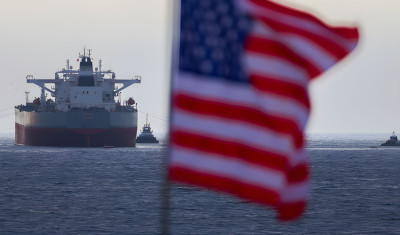
As tensions escalate in the Gulf, the White House is considering an unexpected mechanism to keep oil...
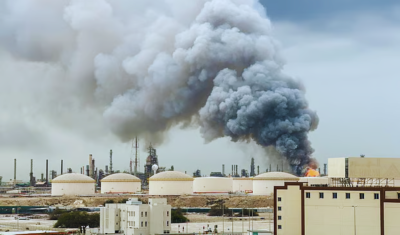
Bahrain’s principal oil refinery has been struck in a significant attack, sending thick plumes of sm...
In Nepal’s general elections, the Rastriya Swatantra Party (RSP) is on the brink of a historic victo...


Availabe for iphone & ipads

Available in google play
 বাংলা
বাংলা