khaborwala online desk
Published: 09 Mar 2026, 05:30 pm
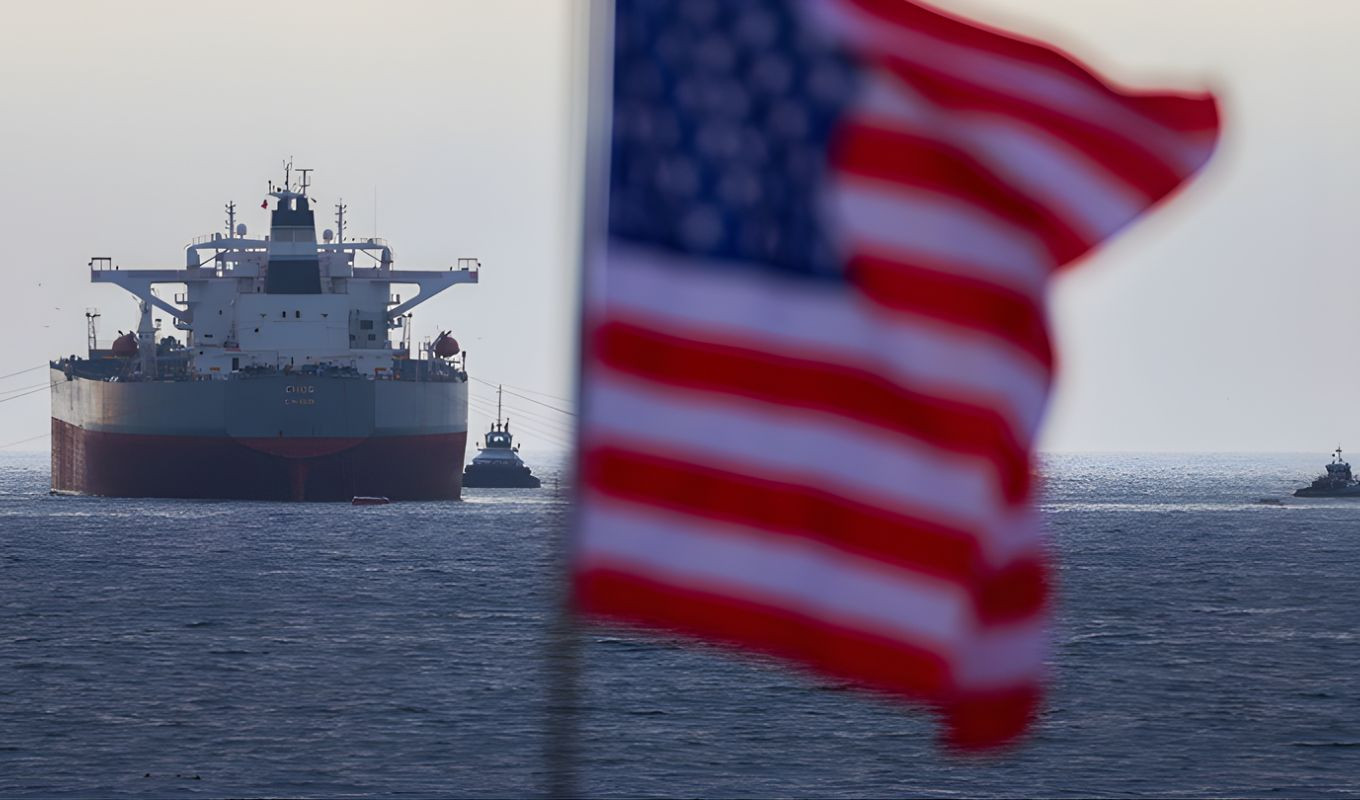
As tensions escalate in the Gulf, the White House is considering an unexpected mechanism to keep oil flowing and curb surging gasoline prices: government-backed insurance.
The Strait of Hormuz, a narrow waterway separating Iran and Oman, is one of the world’s most critical energy chokepoints. Approximately 20 million barrels of oil per day and one-fifth of global liquefied natural gas pass through this passage. Even the mere threat of disruption can send energy markets into a tailspin.
The current crisis stems from U.S.-Israeli strikes beginning on 27 February and subsequent Iranian drone and missile attacks across the region. The instability has prompted insurers and shipping companies to reconsider the safety of transiting the strait.
President Donald Trump has suggested using a government-backed insurance programme to lower “war-risk” premiums for vessels navigating the region. By providing a partial backstop for catastrophic losses, the initiative would relieve pressure on private insurers and shipowners.
When risk rises, so do costs. Insurance premiums for ships and cargo spike, shippers levy “war-risk” surcharges, and some vessels delay, reroute, or halt operations. These disruptions can tighten supply and push crude prices higher, even without any change in production levels.
| Insurer / Broker | Coverage Status in Gulf | Notes |
|---|---|---|
| Gard, Skuld, NorthStandard | Cancelled war-risk coverage | Ships in Iranian waters now face uninsured voyages |
| London P&I Club | Cancelled war-risk coverage | Same as above |
| American Club | Cancelled war-risk coverage | Same as above |
| Lloyd’s of London | Coverage remains | Combined hull value of insured vessels exceeds $25 billion |
| Marsh (broker) | Exploring options with U.S. officials | Met with Trump administration to discuss government-backed insurance |
Analysts emphasise that insurance is non-negotiable for vessels passing through Hormuz, though it does not remove the risk of attack. “You simply cannot pass through the Strait of Hormuz without insurance, given the high possibility of getting struck by a missile,” said Matt Smith of Kpler. Yet even insured vessels face danger, leaving crews vulnerable.
Major shipping companies are already adjusting operations. Maersk, a bellwether in global freight, announced it would suspend all crossings through the strait until further notice, warning of potential delays to Arabian Gulf ports.
For consumers, the effects may be immediate. Higher shipping costs or slower deliveries could ripple through supply chains, translating into rising fuel prices at American pumps. How sharply motorists feel the impact depends on the duration of the disruption and whether the shipping and insurance markets stabilise.
Until a resolution emerges, the Strait of Hormuz remains the world’s most closely watched energy bottleneck, keeping traders and drivers alike on edge.

> Zelenskyy: 11 Nations Seek Ukrainian Counter-Drone Expertise
> Asif Akbar Cleared in Foreign Liquor Case
> Messi’s “Last Dance” That Never Happened
> Oil Prices Surge Amid Global Supply Concerns
> Tangail Man Killed in Saudi Missile Attack
> Barcelona Leads La Liga, PSG Faces Lens Pressure
> Nina Ong Transforms Great Eastern Life Indonesia
> Iran Claims US Soldiers Detained, Trump Denies
> Xavi Claims Laporta Blocked Messi’s Barcelona Return
> Sri Lanka Offers Free Visa to Rescued Iranian Sailors
> BNP MP Welcomes Freed Awami League Leader with Flowers
> Major Attack on Bahrain’s Key Oil Refinery


In a striking reversal of the traditional security assistance dynamic, President Volodymyr Zelenskyy...

Lionel Messi reportedly wanted to return to Barcelona—but why did the eagerly anticipated “last danc...
Global oil markets have been thrown into turmoil following Iran’s retaliatory strikes in response to...

The European football title races are heating up across the continent, with several leagues witnessi...
On 28 February, a catastrophic incident shook the city of Minab in Iran, when a primary school was h...

The distance spanned nearly four thousand kilometres, from Sydney to Perth. While the Western Sydney...
Iran’s Foreign Ministry spokesperson, Esmaeil Baghaei, has launched a sharp critique of the United S...

The enthusiasm of devoted fans often reflects the deep admiration that public figures inspire. Yet w...

Bangladesh cricket continues to buzz with speculation over the potential return of star all-rounder...

In the rapidly evolving world of technology, artificial intelligence (AI) is taking centre stage, re...

Bangladesh’s national cricket team has recalled experienced batsman Liton Das to the 50-over squad f...

In an increasingly globalised world, the search for alternative citizenship or residence options has...


Availabe for iphone & ipads

Available in google play
 বাংলা
বাংলা