Khabowrala online Desk
Published: 31 Mar 2026, 12:02 am
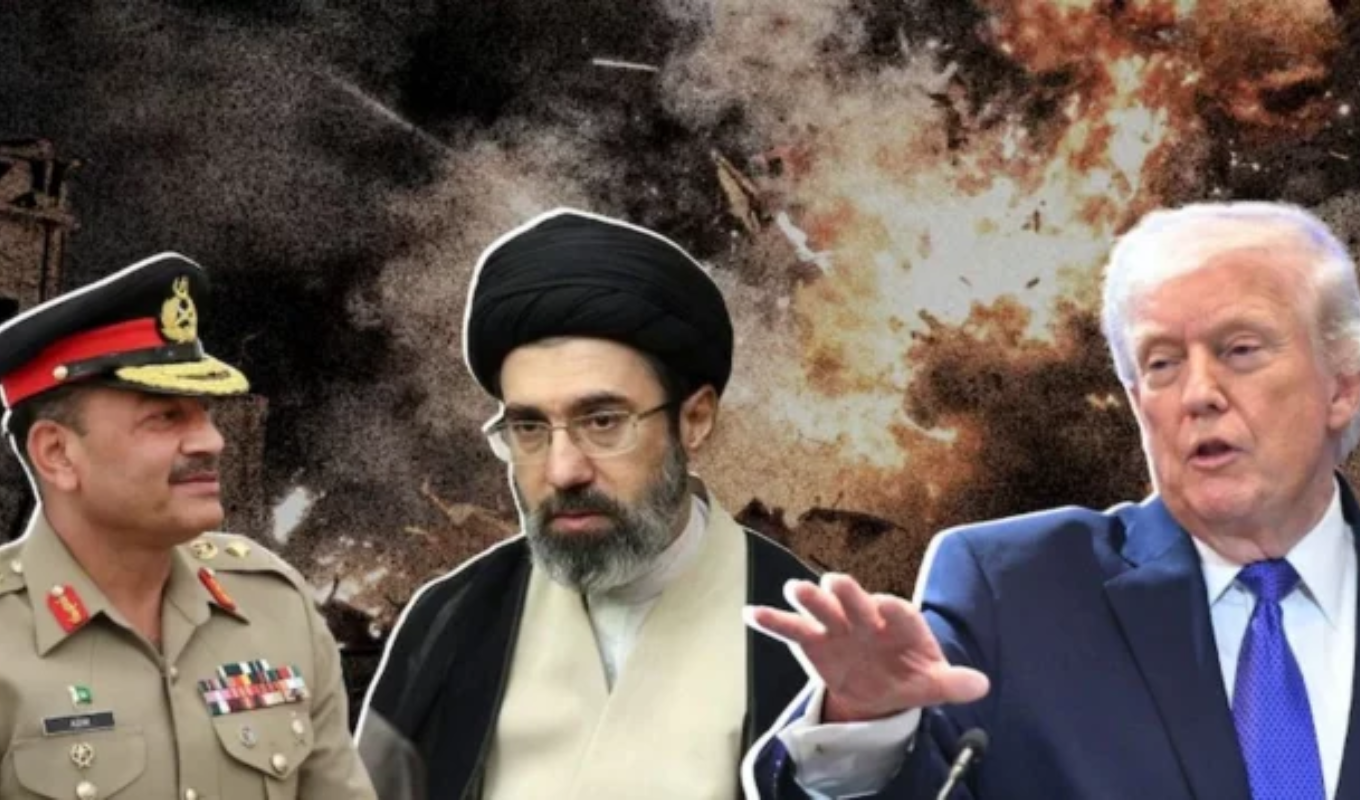
Iran has firmly dismissed Pakistan’s assertion that it is facilitating or mediating indirect talks between Tehran and Washington, as tensions continue to escalate across the wider Middle East amid ongoing military and diplomatic confrontations involving the United States and Israel.
In a strongly worded statement issued on Monday (30 March) by the Consulate General of Iran in Mumbai, Tehran made clear that it has no involvement in any such proposed framework or diplomatic channel attributed to Islamabad. The Iranian mission also stressed that no direct negotiations are currently taking place with the United States, contradicting recent claims made by Pakistani officials.
The statement further clarified that while intermediary channels have occasionally transmitted messages from Washington, these have consisted of what Tehran described as “excessive and unreasonable demands,” rather than structured diplomatic negotiations.
Iran explicitly rejected the notion that Pakistan is acting as a formal mediator in US–Iran discussions, stating that any such initiative is a matter for Islamabad alone and does not involve Iranian participation or consent.
The consulate reiterated that Iran welcomes any genuine effort aimed at restoring regional stability but warned that historical context must not be ignored. It stressed that responsibility for the outbreak of current hostilities cannot be overlooked in discussions of peace-building efforts.
The controversy follows a high-level meeting in Islamabad on Sunday, where Pakistan’s Deputy Prime Minister and Foreign Minister Ishaq Dar held talks with foreign ministers from Saudi Arabia, Egypt and Türkiye.
Following the meeting, Dar claimed that visiting delegations had expressed full support for a potential initiative to facilitate direct dialogue between the United States and Iran. He further stated that both Pakistani Prime Minister Shehbaz Sharif and himself had engaged in telephone conversations with Iranian President Masoud Pezeshkian and Foreign Minister Abbas Araghchi.
However, no representatives from the United States, Israel or Iran were physically present at the discussions, which were conducted under tight security.
According to reports from Iran’s Tasnim News Agency, while Tehran denies any direct negotiations with Washington, it has responded to a 15-point proposal attributed to former US President Donald Trump. The response, the agency claims, was transmitted via the US Embassy in Islamabad.
These conflicting accounts highlight a growing divergence in narratives surrounding back-channel diplomacy, with multiple regional actors asserting varying degrees of involvement in efforts to de-escalate tensions.
Despite diplomatic manoeuvring, the security situation across the region has shown no signs of easing. On Monday, US and Israeli forces reportedly continued military operations targeting Iranian-linked positions.
In response, Iranian forces are said to have expanded their regional operations, including an attack on a key water and electricity facility in Kuwait, as well as a strike on an oil refinery in northern Israel. These developments mark a further intensification of hostilities that have increasingly drawn in critical infrastructure across multiple countries.
Amid the escalating confrontation, US President Donald Trump stated that Iran had agreed to allow 20 oil tankers to pass through the Strait of Hormuz starting Monday, describing the move as a gesture of goodwill. However, he simultaneously issued a warning that Washington could consider seizing Iran’s Kharg Island oil terminal in the Persian Gulf if necessary.
US military presence in the region has also increased significantly, with approximately 2,500 US Marines already stationed in strategic Gulf locations. A further contingent of similar size is reportedly in the process of deployment, underscoring heightened preparedness amid fears of wider regional escalation.
| Category | Development |
|---|---|
| Pakistan’s claim | Mediation between US and Iran discussions |
| Iran’s response | Direct rejection of any involvement |
| Diplomatic activity | High-level Islamabad meeting with regional states |
| Military situation | Continued US-Israel strikes and Iranian retaliation |
| US position | Warning over Kharg Island and tanker movement approval |
| Regional risk | Escalating multi-front tensions across Gulf region |
As competing diplomatic claims continue to emerge alongside sustained military activity, the prospects for immediate de-escalation remain uncertain, with Iran firmly rejecting external narratives that suggest it is engaged in mediated negotiations with Washington.

> Husband Films Wife’s Suicide in Chattogram Case
> Lightning Strike Kills Returnee Youth in Bijoynagar
> MP Loses Shoe While Praying in Parliament
> UN Diplomat Resigns Warning of Nuclear Strike on Iran
> Opposition MP Questions Transport Minister Over Road Deaths
> HSC Exams in Bangladesh Set for June Start
> Britney Spears Breaks Silence
> Reinsurance Outlook Strengthens into 2026
> Mauritania Players Clash Over Messi Shirt After Dream Match
> Karachi Edge Lahore in Tight PSL Low-Scoring Thriller
> Intense Battle in the Ballon d’Or Race, Who Will Be This Year’s Winner?
> UAE Demands Compensation from Iran Over Conflict Damage


A deeply disturbing incident in Anwara upazila of Chattogram has led to the recovery of the body of...
A light-hearted yet unusual incident unfolded within Bangladesh’s National Parliament when a Member...
A senior United Nations-affiliated diplomat has resigned from his post, issuing a stark warning to t...
A heated exchange unfolded in Bangladesh’s National Parliament on Monday as a Member of Parliament f...
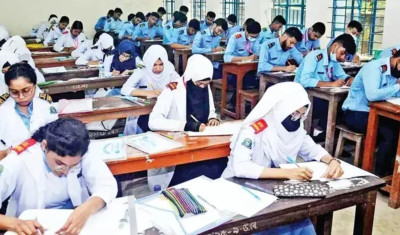
The Higher Secondary Certificate (HSC) and equivalent examinations in Bangladesh are set to commence...

Pakistani fast bowler Naseem Shah has been fined PKR 20 million (approximately BDT 8.8 million) by t...
The global marine insurance sector continues to demonstrate resilience despite escalating geopolitic...

Australian households are facing mounting financial pressure as private health insurance emerges as...

France’s commanding 3–1 victory over Colombia has once again underlined the extraordinary depth with...

Amnesty International has issued a stark warning to football supporters ahead of the 2026 FIFA World...
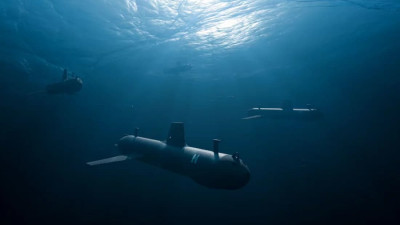
The United Kingdom is preparing to deploy advanced underwater drones to the strategically vital Stra...
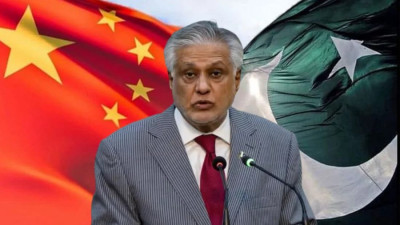
Pakistan’s Foreign Minister, Ishaq Dar, is set to travel to Beijing, China, on Tuesday, 31 March, in...


Availabe for iphone & ipads

Available in google play
 বাংলা
বাংলা