Khabowrala online Desk
Published: 30 Mar 2026, 10:17 pm
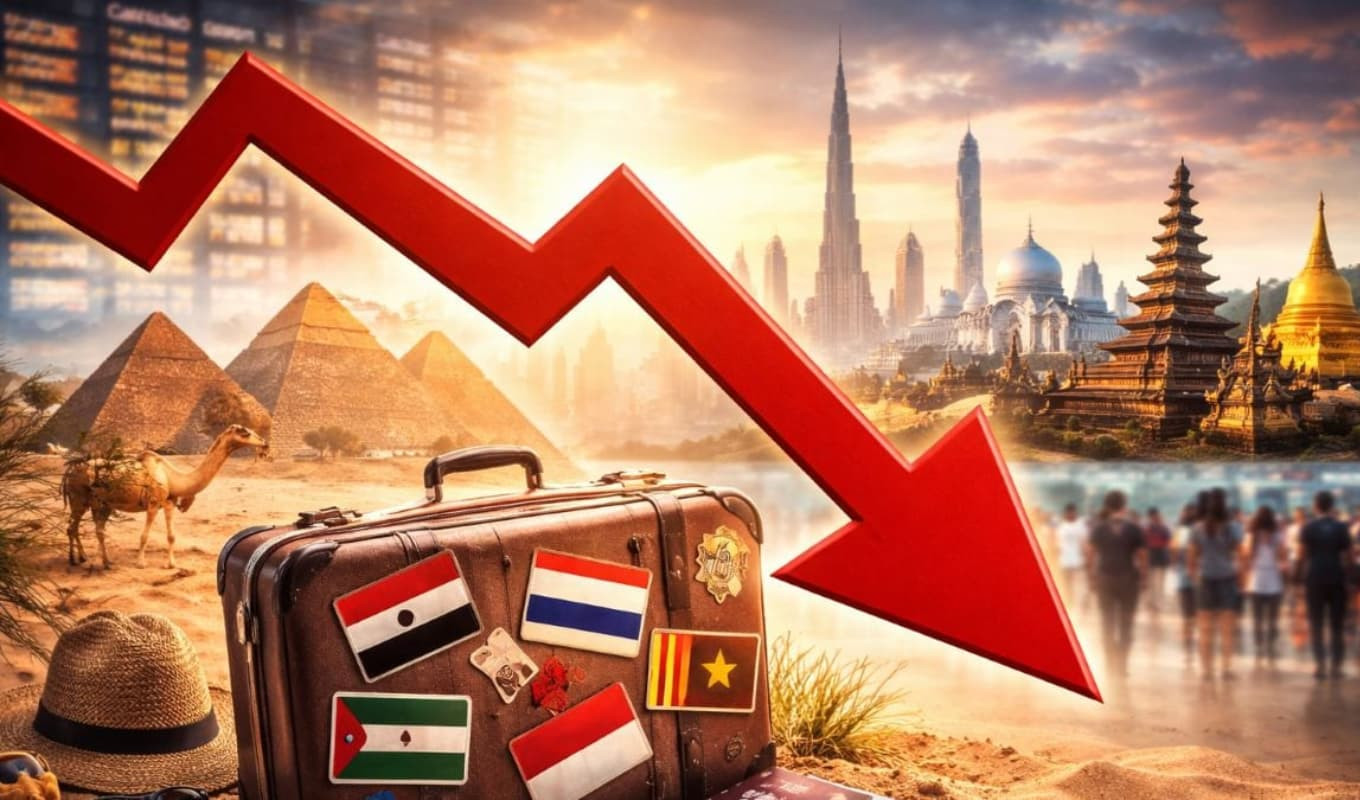
The global marine insurance sector continues to demonstrate resilience despite escalating geopolitical tensions in the Middle East, maintaining essential coverage across key segments and ensuring the uninterrupted flow of international trade. This assessment comes from the International Union of Marine Insurance, which has reaffirmed the industry’s capacity to adapt to evolving risks without withdrawing support.
According to IUMI, insurers are still actively providing cover for cargo, hull, liability, and offshore energy operations, even as the security environment across critical shipping routes—particularly the Persian Gulf and the Red Sea—remains uncertain. While underwriters have adjusted pricing models and policy structures to reflect heightened risks, the overall availability of insurance capacity has not been materially reduced.
The cargo and hull insurance markets, in particular, remain stable. Strong global demand for shipping services, coupled with robust freight earnings, has helped sustain insurer confidence. Although geopolitical instability has led to operational disruptions—such as vessel rerouting, longer transit times, and congestion at alternative ports—these challenges have not undermined the sector’s ability to provide comprehensive coverage.
IUMI highlights that insurers are increasingly adopting a more selective and analytical approach to underwriting. Rather than applying broad restrictions, underwriters are assessing risks on a case-by-case basis, particularly for voyages passing through high-risk zones. This allows insurers to price policies more accurately while continuing to support clients operating in sensitive regions.
| Segment | Current Status | Key Developments |
|---|---|---|
| Cargo Insurance | Stable and widely available | Supported by strong shipping demand |
| Hull Insurance | Stable with adequate capacity | Adjusted pricing reflecting voyage-specific risks |
| Liability Insurance | Core coverage maintained | Selective pricing for non-poolable risks |
| Offshore Energy | Cover remains accessible | Volatility in infrastructure risk considered |
| Underwriting Approach | More selective, case-by-case | Focus on high-risk routes like Red Sea & Gulf |
| Market Capacity | Sufficient | No major withdrawal despite tensions |
In the offshore energy segment, insurers continue to offer coverage for upstream risks, even as geopolitical volatility affects energy infrastructure and operations. The ability to insure such risks is critical for maintaining investment and operational continuity in oil and gas exploration and production activities across the region.
Similarly, the liability insurance market has shown notable stability. Core protections remain intact, ensuring that shipowners, operators, and other stakeholders retain access to essential risk coverage. However, some adjustments have been introduced. Liability underwriters are now applying more tailored pricing to non-poolable risks and charterers’ liabilities, reflecting the increased uncertainty in certain operational contexts.
Despite these refinements, the principal programmes operated by the International Group of Protection and Indemnity Clubs—widely regarded as the backbone of maritime liability insurance—remain unchanged and non-cancellable. This continuity provides a crucial layer of confidence for shipowners and global traders navigating complex geopolitical conditions.
IUMI emphasises that the marine insurance industry’s adaptability is central to its resilience. By recalibrating pricing, refining policy terms, and enhancing risk assessment practices, insurers have been able to respond effectively to emerging threats without compromising their core function of facilitating trade.
The Middle East remains a vital artery for global commerce, with significant volumes of oil, gas, and containerised goods transiting through its waters. Any disruption to insurance availability in this region could have far-reaching implications for supply chains and economic stability. However, current evidence suggests that the industry is successfully mitigating these risks through proactive management rather than retreat.
Ultimately, the continued provision of marine insurance across all major lines underscores the sector’s commitment to supporting global trade. While geopolitical tensions have introduced new complexities, the market’s capacity, flexibility, and strategic response mechanisms ensure that adequate cover remains firmly in place.

> Husband Films Wife’s Suicide in Chattogram Case
> Lightning Strike Kills Returnee Youth in Bijoynagar
> MP Loses Shoe While Praying in Parliament
> UN Diplomat Resigns Warning of Nuclear Strike on Iran
> Opposition MP Questions Transport Minister Over Road Deaths
> HSC Exams in Bangladesh Set for June Start
> Mauritania Players Clash Over Messi Shirt After Dream Match
> Karachi Edge Lahore in Tight PSL Low-Scoring Thriller
> Intense Battle in the Ballon d’Or Race, Who Will Be This Year’s Winner?
> UAE Demands Compensation from Iran Over Conflict Damage
> Four Rescued in Teknaf Human Trafficking Raid
> NCP Announces Mayoral Candidates Across Five Cities

A senior United Nations-affiliated diplomat has resigned from his post, issuing a stark warning to t...
Iran has firmly dismissed Pakistan’s assertion that it is facilitating or mediating indirect talks b...

Pakistani fast bowler Naseem Shah has been fined PKR 20 million (approximately BDT 8.8 million) by t...
Amid the rapid expansion of Islamic banking in Bangladesh, leading experts and regulators have calle...
The recovery of Social Islami Bank Limited (SIBL) has reportedly been hindered by regulatory inactio...

Australian households are facing mounting financial pressure as private health insurance emerges as...

France’s commanding 3–1 victory over Colombia has once again underlined the extraordinary depth with...

Amnesty International has issued a stark warning to football supporters ahead of the 2026 FIFA World...
The United Kingdom is preparing to deploy advanced underwater drones to the strategically vital Stra...
Pakistan’s Foreign Minister, Ishaq Dar, is set to travel to Beijing, China, on Tuesday, 31 March, in...
The Confederation of African Football’s (Confederation of African Football) Secretary General, Véron...

Celine Dion remains one of the most influential voices in modern music history. Her global breakthro...


Availabe for iphone & ipads

Available in google play
 বাংলা
বাংলা