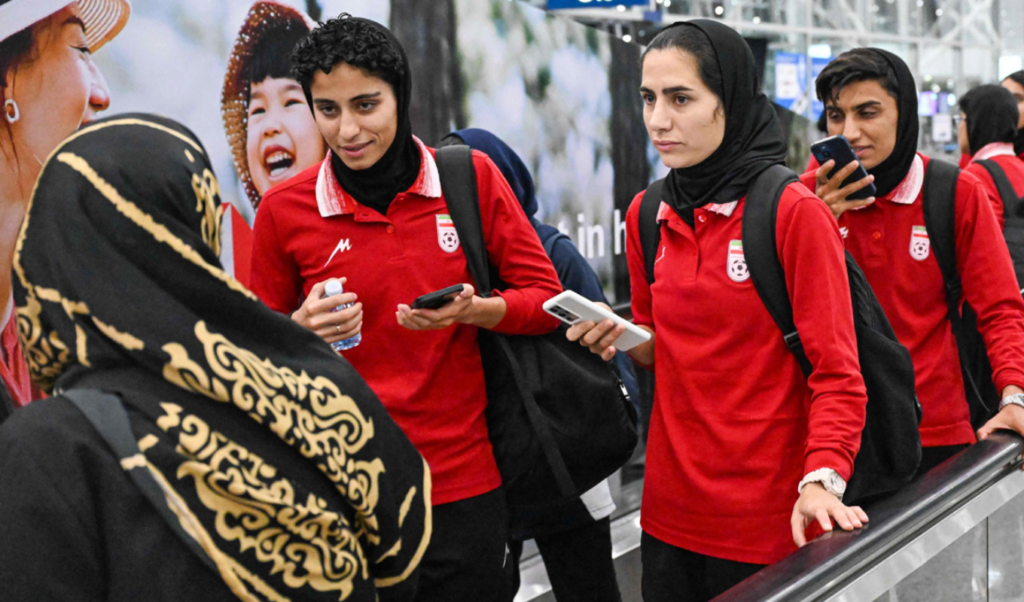
One of Iran’s women footballers has declined political asylum in Australia, just days after initially accepting the offer. The decision was confirmed on Wednesday morning by Australia’s Minister for Home Affairs, Tony Burke, who said the player contacted the Iranian embassy before reversing her decision.
In a statement to Parliament, Burke emphasised Australia’s respect for personal freedom: “People in Australia have the right to change their minds and to travel freely. We respect the circumstances under which she has made this choice.” Previously, seven members of Iran’s women’s national football team had agreed to seek asylum.
The remaining six women have been relocated to separate accommodation in Australia for their safety. Minister Burke noted that the player who declined asylum had shared the whereabouts of the others with the Iranian embassy, prompting precautionary measures.
Background: Asian Cup Visit and Political Context
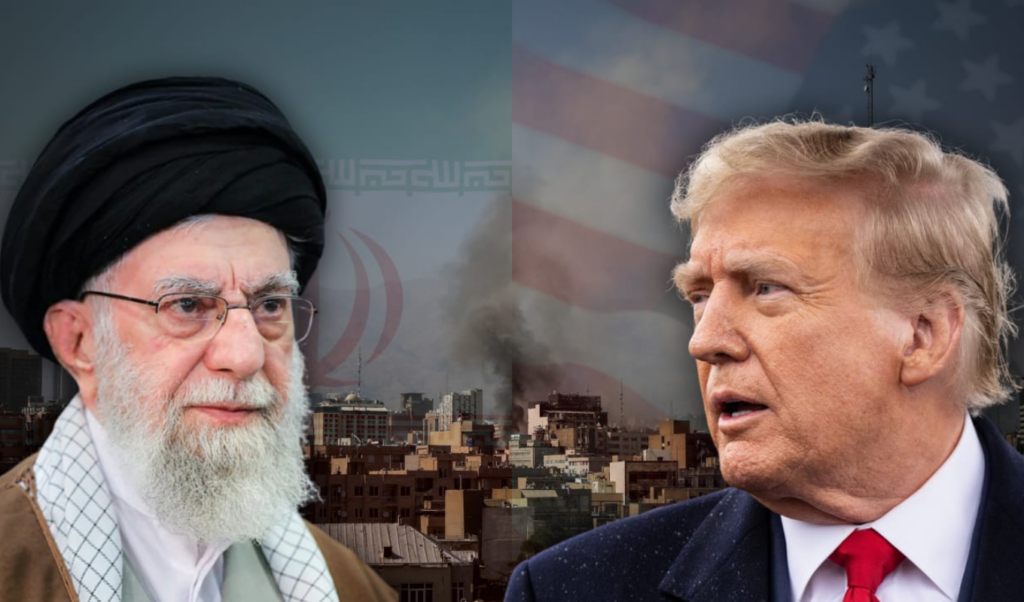
The Iranian team arrived in Australia last month to compete in the AFC Asian Cup. Their presence coincided with escalating tensions in the region after missile strikes by Israel and the United States in Iran. In the lead-up to their first group-stage match, the players attracted domestic criticism for refusing to sing the national anthem. Iranian state media labelled them “wartime traitors,” raising serious concerns about their safety—concerns voiced internationally, including by former U.S. President Donald Trump.
After Iran’s elimination from the Asian Cup last Sunday, the team prepared to leave Australia on Tuesday night. Iranian-Australians protested at both the team hotel and Sydney Airport, arguing that returning to Iran could endanger the players.
Asylum Offers and Acceptance
Australian officials, assisted by interpreters, met each team member individually, offering humanitarian asylum and explaining the voluntary nature of the decision. Minister Burke stressed that “there was no pressure or rush in these discussions,” ensuring players could make informed choices.
Ultimately, seven individuals—including one support staff member—accepted temporary humanitarian visas, providing a pathway to permanent residency in Australia.
Initial Asylum Acceptances by Players
| Player Name | Position | Initial Decision |
|---|---|---|
| Zahra Ganbari | Captain | Accepted |
| Fatemeh Pasandideh | Midfielder | Accepted |
| Zahra Sarbali | Defender | Accepted |
| Atefeh Ramezanizadeh | Midfielder | Accepted |
| Mona Hamudi | Forward | Accepted |
| Other team members (support staff) | Support Staff | Accepted |
| One player | Forward | Declined |
Risks Faced by Players
According to Iranian refugee lawyer Ara Rasouli, players returning to Iran may face severe consequences, including possible execution or retaliation against their families. “They are under significant threat,” Rasouli explained. “Family members may be detained, property confiscated, and other forms of retribution are real threats. Many of the women are making difficult decisions because of these dangers.”
The issue drew international attention when Trump criticised Australia for not granting asylum sooner. It later emerged that Australian officials had already been in confidential discussions with the players. Subsequently, Trump spoke by phone with Australian Prime Minister Anthony Albanese, praising Australia’s handling of the situation.
The case highlights the complex interplay between sports, politics, and personal safety, demonstrating the precarious position faced by athletes from countries with restrictive regimes.