Published: 04 Mar 2026, 06:58 am

The United States is grappling with a historic spike in fuel costs as the geopolitical fallout from the joint US-Israeli military operations in Iran begins to rattle global energy markets. On Tuesday, the American Automobile Association (AAA) reported that the national average for a gallon of petrol jumped by 11 cents, reaching $3.11. This represents the sharpest single-day price hike since the aftermath of Hurricane Katrina in 2005, marking a twenty-year high in terms of upward volatility.
The primary catalyst for this sudden inflationary pressure is the effective closure of the Strait of Hormuz, a vital maritime chokepoint through which approximately one-fifth of the world’s oil consumption passes. Following the initial strikes on Iranian soil, Tehran has launched retaliatory drone and missile attacks against key Western allies in the region, including the United Arab Emirates, Kuwait, Qatar, and Saudi Arabia.
These targeted strikes on energy infrastructure and the resulting naval blockades have created a "risk premium" in the crude oil market. On Tuesday, oil prices on the US market surged by 7%, settling at $76 per barrel. This followed a 6% increase on Monday, indicating a compounding trend of market anxiety.
| Metric | Previous Standing | Current Level (Tuesday) | Percentage Change |
|---|---|---|---|
| Average Petrol Price (Gallon) | $3.00 | $3.11 | +3.7% |
| US Crude Oil (Barrel) | $71.00 | $76.00 | +7.0% |
| Single-Day Price Jump | N/A | 11 Cents | Highest since 2005 |
| Strategic Chokepoint Status | Open | Closed/Highly Restricted | Critical |
Despite the alarming rise in crude oil futures, some economists suggest that the impact on individual consumers might eventually stabilise. Speaking to CNN, David Oxley, an economist at the research firm Capital Economics, noted that while crude prices dictate the headlines, the retail price at the pump is influenced by a complex web of refining margins, taxes, and distribution costs. "The price paid at the pump is actually a very small portion of the overall global energy equation," Oxley remarked.
However, the psychological impact of the "Katrina-level" jump cannot be understated. As the conflict enters its second week, the persistence of high prices will depend largely on how quickly the Strait of Hormuz can be reopened to commercial shipping. For now, American motorists are facing the most expensive and volatile energy landscape in two decades, with no immediate end to the regional hostilities in sight.

> Rio Ferdinand Converts Dubai Studio Into Wartime Bunker
> Selena Gomez Confirms Taylor Swift Wrote Songs About Her
> Central Zone Dominate Lacklustre BCL One-Day Final
> Crop Insurance: A Safety Net for Farmers?
> Mojtaba Khamenei Ascends as Iran’s New Supreme Leader
> Tehran Claims Major US Casualties as Carrier Retreats
> China Vows Support for Iranian Sovereignty Amid Conflict
> Two Years Ago, Iqra Found Out that Alvi was Involved with Another Woman
> Tariq Ramadan Faces Rape Trial in Paris
> UCB and EY Forge Strategic Sustainability Partnership
> Violence Erupts at Dhaka Polytechnic Between Student Factions
> Celestial Spectacle: Rare Total Lunar Eclipse Visible Today


The glitz and glamour of a tax-free expatriate life in the United Arab Emirates have been abruptly r...

The enduring "Golden Standard" of Hollywood friendships has reached a new level of transparency. In...

In a transition of profound historical and geopolitical significance, Mojtaba Khamenei, the second s...

The Islamic Revolutionary Guard Corps (IRGC) has issued a series of provocative claims regarding the...
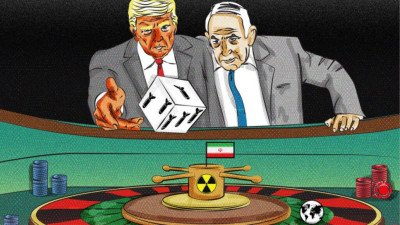
The recent joint military operations conducted by the United States and Israel against Iran have unv...

The escalating conflict in the Middle East has evolved into a high-stakes duel of mathematical exhau...

In a significant diplomatic intervention following the joint military offensive by Israel and the Un...
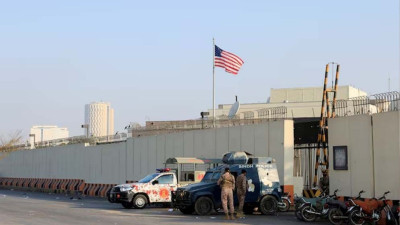
Tensions between Islamabad and Washington have reached a critical flashpoint following the admission...

Sri Lanka’s cricketing icon Kumar Sangakkara is mourning the loss of his father, senior lawyer Keshe...

The FIFA World Cup is arguably football’s most prestigious tournament, a global stage that every nat...

Bangladesh’s women’s football team is set to make history today, Tuesday, 3 March, as they take the...

Iran has reportedly initiated a substantial cyber‑attack against Israeli digital infrastructure, mar...


Availabe for iphone & ipads

Available in google play
 বাংলা
বাংলা